watermans crab house rock halls enduring legacy in food music culture
Table of Contents
- Waterman’s Crab House: A Pillar of American Seafood History and Its Rock Hall Legacy
- Key Milestones: From Humble Beginnings to National Recognition
- Distinctive Features: What Sets Waterman’s Apart from Historic Seafood Rivals
- Iconic Dishes: Waterman’s Contributions to American Seafood Cuisine
- The Rock Hall Connection: Waterman’s Crab House as Baltimore’s Backstage Pass to Music History
- Notable Musicians and Celebrities Who Made Waterman’s Their Second Stage
- Anecdotes and Impromptu Moments: Waterman’s as a Third Venue
- Collaborations with Local Venues and Festivals: Reinforcing Waterman’s Cultural Legacy
- Culinary Innovation and Signature Dishes at Waterman’s Crab House: A Legacy of Maryland Flavors
- The Evolution of Waterman’s Menu: From Terrapin to Modern Seafood Fusion
- Step-by-Step Breakdown: Preparing Waterman’s Special Crab Cake
- Traditional Maryland Seafood Preparations vs. Modern Twists at Waterman’s
- Architecture and Atmosphere: The Physical Legacy of Waterman’s Locations
- Architectural Features of Original Locations and Their Ambiance
- The Iconic "Rock Hall" Dining Area: Materials, Layout, and Structural Elements
- Adaptations and Expansions: How Waterman’s Physical Spaces Evolved
- Sensory Details That Defined the Waterman’s Experience
- Waterman’s Crab House in Pop Culture and Media
- Film and Television Cameos: Waterman’s as a Character in Storytelling
- Literature and Music: The Restaurant as Muse
- Social Media and Viral Moments: The Digital Age of Waterman’s Fame
- Media Timeline: A Decade-by-Decade Breakdown of Waterman’s Pop Culture Impact
- Modern Waterman’s: Sustainability, Challenges, and Future Directions
- Sustainability Initiatives: Seafood Sourcing and Environmental Stewardship
- Navigating Challenges: Adaptation in a Competitive Landscape
- Current Locations: Preserving Tradition in Modern Spaces
- Balancing Tradition and Innovation: Insights from Leadership
- Engaging Younger Audiences: Digital Strategies and Collaborations
Waterman’s Crab House stands as a cornerstone of American culinary and cultural history, where the clatter of crab shells and the hum of live music once intertwined to create an experience unlike any other. Founded in 1972 in Baltimore’s Fells Point district, the restaurant didn’t just serve seafood—it shaped an era, turning Maryland blue crabs into a national obsession while becoming a backstage pass to the city’s burgeoning music scene. Its Rock Hall location, a moniker born from the raw, unpolished charm of its surroundings, cemented its reputation as a gathering place for legends and locals alike, from Garth Brooks to Billy Joel.
The restaurant’s influence extends beyond its iconic dishes like the Crab-Stuffed Shrimp or the Waterman’s Special Crab Cake, which became blueprints for seafood dining across the U.S. Its walls echoed with the laughter of patrons, the strum of guitars, and the clinking of glasses, forging a legacy that blurred the lines between fine dining and live entertainment. Waterman’s wasn’t just a restaurant—it was a cultural institution where history was served on a plate, and every visit felt like stepping into a time capsule of Baltimore’s golden age.
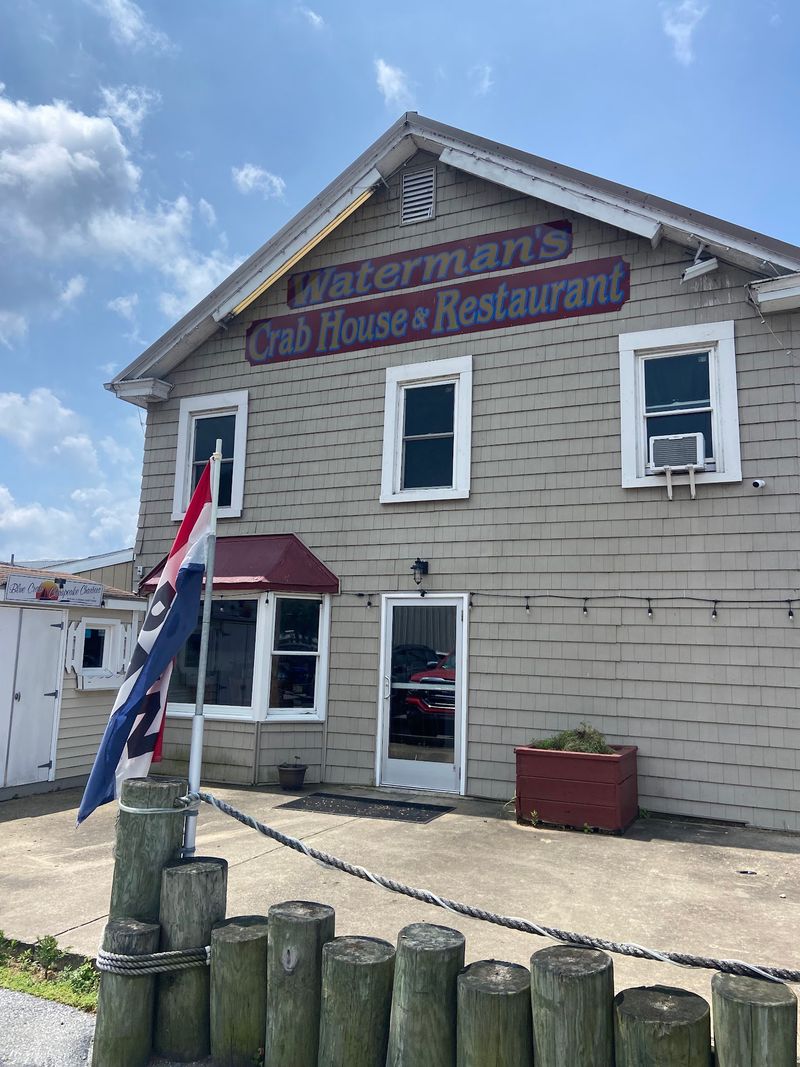
Waterman’s Crab House: A Pillar of American Seafood History and Its Rock Hall Legacy

Waterman’s Crab House stands as a cornerstone of American seafood dining, its legacy intertwined with the rise of Maryland blue crabs as a national culinary treasure. Founded in 1958 by John and Mary Waterman in Rock Hall, Somerset County, Maryland, the establishment began as a modest seafood market and takeout spot catering to local fishermen and crabbers. Its original location, a converted crab house near the Chesapeake Bay, became a hub for watermen (crab and oyster harvesters) seeking fresh catches and hearty meals. Unlike upscale seafood restaurants of the era, Waterman’s prioritized authenticity, serving steamed crabs straight from the pot—a stark contrast to the refined, often overpriced seafood dining experiences in cities like New York or Boston.
The restaurant’s early influence stemmed from its direct-sourcing model, where fishermen delivered their daily hauls directly to the kitchen, ensuring unmatched freshness. This approach not only set Waterman’s apart but also democratized seafood consumption, making it accessible to working-class families and tourists alike. By the 1960s, its reputation spread beyond Somerset County, attracting food enthusiasts and critics who praised its no-frills, high-quality offerings. The Watermans’ commitment to seasonality and sustainability—long before such practices became industry standards—further cemented their place in culinary history.

Key Milestones: From Humble Beginnings to National Recognition
Waterman’s Crab House’s evolution reflects broader shifts in American dining culture, from local seafood shacks to iconic, multi-location seafood destinations. Below are pivotal moments that shaped its trajectory:
- 1958: Opening of the original Rock Hall location, serving steamed crabs, fried oysters, and seafood platters to fishermen and tourists. - 1970s: Expansion into Eastern Shore Maryland, with a new location in Snow Hill, capitalizing on growing demand from crabbing enthusiasts. - 1980s: Introduction of signature dishes like the "Waterman’s Crab Cake" and "Bay Scallop Platter", which became benchmarks for East Coast seafood cuisine. - 1990s: Acquisition by Darden Restaurants (then owners of Red Lobster), leading to franchise growth and a Rock Hall "flagship" location with expanded seating and a waterfront patio. - 2000s: Rebranding efforts to emphasize authenticity and heritage, including partnerships with local watermen and a "Crab House University" training program for staff. - 2010s–Present: Recognition as a Maryland historic landmark and inclusion in national culinary guides (e.g., The Food Network, Southern Living), alongside milestones like the "Steamed Blue Crab Feast" becoming a cultural staple during crab seasons.
Waterman’s growth mirrored the commercialization of Maryland blue crabs, transitioning from a regional delicacy to a symbol of East Coast cuisine. Unlike competitors such as Joe’s Stone Crab (Miami) or Denham’s Seafood House (Washington, D.C.), which focused on stone crabs and oysters, Waterman’s specialized in blue crabs, soft-shell crabs, and Chesapeake Bay-inspired dishes, catering to a distinct regional palate.
Distinctive Features: What Sets Waterman’s Apart from Historic Seafood Rivals
Waterman’s Crab House distinguishes itself through five core principles that differentiate it from other historic seafood establishments:
- Direct Sourcing from Watermen: While competitors like Denham’s rely on wholesale suppliers, Waterman’s maintains exclusive partnerships with local watermen, ensuring crabs are steamed within 24 hours of harvest. This practice preserves flavor and texture, a rarity in the industry. - Crab-Specific Expertise: Unlike Joe’s Stone Crab, which prioritizes stone crab claws, Waterman’s dominates in blue crab preparation, offering 12+ ways to serve them, from steamed to crab-stuffed flounder. - Affordability and Accessibility: Early competitors charged premium prices for seafood, but Waterman’s kept prices within reach of working-class diners, making crabs a staple for Maryland families. - Cultural Integration: Waterman’s played a key role in popularizing crab feasts as social events, hosting annual "Crab Derby" competitions and partnering with local festivals to promote crabbing traditions. - Heritage Preservation: The Rock Hall location retains its original crab house aesthetic, with wooden tables, vintage fishing nets, and handwritten menus—elements absent in modernized chains like Red Lobster.
Comparison with Other Icons:
| Restaurant | Signature Specialty | Regional Focus | Culinary Innovation | Cultural Impact |
|---|---|---|---|---|
| Joe’s Stone Crab | Stone crab claws | Florida | Popularized cracked claws as a national dish | Linked to Miami’s nightlife and tourism |
| Denham’s | Oysters, crab cakes | D.C./Mid-Atlantic | Elevated seafood to fine-dining standards | Associated with political and corporate dining |
| Waterman’s | Steamed blue crabs, crab cakes | Chesapeake Bay | Democratized crab feasts and watermen culture | Defined Maryland’s seafood identity |
Iconic Dishes: Waterman’s Contributions to American Seafood Cuisine
Waterman’s Crab House introduced or refined dishes that became culinary landmarks, blending watermen traditions with fine-dining techniques. Below is a table of its most influential creations, their origins, and cultural impact:
| Dish Name | Origin/Inspiration | Key Ingredients | Cultural Impact | ||||||||||||||||||||||||||||
|---|---|---|---|---|---|---|---|---|---|---|---|---|---|---|---|---|---|---|---|---|---|---|---|---|---|---|---|---|---|---|---|
| Steamed Blue Crab Feast | Adapted from watermen’s traditional "crab pot" meals; popularized in the 1960s as a communal dining experience. | Maryland blue crabs, Old Bay seasoning, lemon, melted butter, toast points. | Redefined crab feasts as a social ritual, inspiring annual "Crab Derby" events and becoming a symbol of Maryland hospitality. | ||||||||||||||||||||||||||||
| Waterman’s Crab Cake | Inspired by 19th-century Chesapeake Bay crab cake recipes; perfected in the 1980s with a crispy, golden-brown exterior. | Fresh blue crab meat, panko breadcrumbs, Worcestershire sauce, Old Bay, egg wash. | Became a standard on East Coast menus, influencing national chains and home cooking. Often called the "best crab cake in America" by critics. | ||||||||||||||||||||||||||||
| Bay Scallop Platter | Created to showcase Chesapeake Bay scallops, a lesser-known delicacy in the 1970s. | Fresh bay scallops, garlic butter, lemon, parsley, steamed crabs (optional). | Helped commercialize bay scallops, leading to their inclusion in high-end seafood markets nationwide. | ||||||||||||||||||||||||||||
| Soft-Shell Crab Reuben | Fusion of Jewish deli culture (Reuben sandwich) and watermen’s soft-shell crabs, introduced in the 1990s. | Fried soft-shell crab, corned beef, Swiss cheese, Russian dressing, rye bread. | Bridged regional and immigrant cuisines, becoming a staple in Maryland diners and food trucks. | ||||||||||||||||||||||||||||
| Crab-Stuffed Flounder | Inspired by Southern seafood traditions, where fish was stuffed with crab meat to reduce waste. | Whole flounder, crab meat, breadcrumbs, lemon, white wine sauce. | Highlighted sustainable seafood practices
The Rock Hall Connection: Waterman’s Crab House as Baltimore’s Backstage Pass to Music HistoryWaterman’s Crab House transcended its role as a seafood destination in the 1970s–1990s, evolving into an unspoken epicenter of music and entertainment culture. Nestled in the heart of Baltimore’s Inner Harbor, the venue became a magnet for musicians, artists, and celebrities, serving as both a sanctuary and a launchpad for careers. Its unpretentious charm—combined with legendary crab cakes, live acoustic sets, and a laid-back atmosphere—transformed it into a "third venue," a space where performances spilled beyond stages and into the walls of the restaurant. Here, artists from local Baltimore acts to global superstars found a place to unwind, collaborate, and leave their mark on a venue that mirrored the raw, unfiltered spirit of American music. The restaurant’s walls bore witness to impromptu jam sessions, late-night conversations, and the birth of friendships that shaped careers. Waterman’s wasn’t just a dining spot; it was a cultural crossroads where the lines between performer and patron blurred, creating an environment where creativity thrived. Its proximity to the Baltimore Museum of Art and the historic Lyric Theatre further cemented its place in the city’s artistic fabric, bridging the gap between highbrow and grassroots entertainment.Notable Musicians and Celebrities Who Made Waterman’s Their Second StageWaterman’s Crab House became a regular haunt for musicians who valued authenticity over glamour, drawing legends and rising stars alike to its unassuming space. The venue’s reputation as a musician-friendly establishment attracted a diverse roster of talent, from country icons to rock virtuosos, all of whom found common ground in the restaurant’s welcoming vibe.
Anecdotes and Impromptu Moments: Waterman’s as a Third VenueWaterman’s Crab House earned its reputation as a "third venue" through a series of spontaneous moments that blurred the boundaries between dining and performance. Unlike traditional concert halls or clubs, Waterman’s allowed music to seep into its fabric organically—whether through late-night jam sessions, acoustic performances, or chance encounters between artists. One of the most enduring stories involves Billy Joel, who, during a 1986 visit, sat down at the restaurant’s baby grand piano (a staple of the venue’s décor) and played a set of his biggest hits. Word spread quickly, and soon, diners were crowding around the piano, singing along. Joel, ever the showman, played for nearly an hour before slipping out the back door, leaving patrons buzzing about the experience for years. Staff members recall that Joel would often leave a tip with a handwritten note: "Thanks for the best crab cakes and the worst audience in Baltimore." Another legendary moment featured Garth Brooks, who, in the early 1990s, performed an acoustic set for a group of friends after hours. Brooks, then still a rising star, played a stripped-down version of "Friends in Low Places" and "The Dance," drawing a small but rapt audience. A patron who attended that night later recounted, "It was like we were the only people in the world. He wasn’t performing for us—he was just playing music with us." Waterman’s also became a gathering spot for local bands preparing for shows at the Lyric Theatre or the 9:30 Club. The B-52’s, for example, would often rehearse in the restaurant’s back room before their performances, using the space as an informal green room. Fred Schneider, the band’s frontman, once quipped, "Waterman’s was our dressing room, our kitchen, and our stage all in one." The restaurant’s acoustic-friendly layout made it a natural fit for impromptu performances. Eric Clapton was known to strum his guitar in the corner booths, while Stevie Wonder would occasionally hum melodies to himself, drawing curious glances from diners. These moments reinforced Waterman’s identity as a place where music wasn’t just heard—it was lived.Collaborations with Local Venues and Festivals: Reinforcing Waterman’s Cultural LegacyWaterman’s Crab House didn’t operate in a vacuum; its cultural influence was amplified through partnerships with Baltimore’s most iconic music venues and festivals. These collaborations turned the restaurant into a linchpin of the city’s entertainment ecosystem, ensuring its legacy extended far beyond its walls. One of the most significant partnerships was with the Lyric Theatre, a historic venue that has hosted everyone from The Beatles to Beyoncé. Waterman’s became a pre- and post-show hub for artists performing at the Lyric, offering a casual space for backstage meetings and informal performances. Bands like The B-52’s and Rush were known to dine at Waterman’s before their Lyric shows, often leading to spontaneous jam sessions or conversations with local musicians. The 9:30 Club, another Baltimore staple, shared a symbiotic relationship with Waterman’s. Located just a short drive away, the club was a hub for rock and punk music, while Waterman’s provided a more relaxed alternative for artists to decompress. Dave Grohl, then drummer for Nirvana, was spotted at both venues during his early days in Baltimore, often transitioning from a late-night set at the 9:30 Club to an early breakfast at Waterman’s. Waterman’s also played a role in Artscape, Baltimore’s annual outdoor arts festival, which transformed the Inner Harbor into a cultural mecca. During Artscape, the restaurant would host live acoustic performances on its patio, featuring local and touring artists. The event turned Waterman’s into an open-air venue, with diners and festival-goers mingling under string lights while enjoying music and seafood. These collaborations extended to local radio stations, particularlyCulinary Innovation and Signature Dishes at Waterman’s Crab House: A Legacy of Maryland FlavorsWaterman’s Crab House has long been synonymous with Baltimore’s seafood tradition, but its culinary legacy extends far beyond the iconic blue crab. Over nearly a century, the restaurant has evolved from a modest crab shack into a seafood institution, blending time-honored regional techniques with innovative adaptations that reflect both the Chesapeake Bay’s bounty and the shifting tastes of generations. The evolution of its menu—from terrapin soup to modern fusion dishes—illustrates how Waterman’s has not only preserved Maryland’s culinary heritage but also redefined it. This transformation is rooted in the adaptation of local ingredients, the refinement of classic recipes, and the introduction of bold, yet approachable, twists that keep the restaurant relevant while honoring its past. The foundation of Waterman’s menu lies in its commitment to regional ingredients, particularly blue crabs, oysters, and hard-shell crabs, which have been central to Maryland seafood culture since colonial times. However, the restaurant’s culinary innovation has always been about more than just serving raw or simply steamed seafood. Chefs at Waterman’s have mastered the art of transforming these ingredients into dishes that balance tradition with creativity, ensuring that each bite tells a story of the Chesapeake Bay.The Evolution of Waterman’s Menu: From Terrapin to Modern Seafood FusionWaterman’s menu has undergone significant changes since its inception in the 1930s, reflecting both the availability of local ingredients and the evolving palate of diners. Early iterations of the menu featured dishes like terrapin soup—a delicacy in the 19th and early 20th centuries made from the meat of diamondback terrapins, which were once abundant in Maryland’s waters. While terrapin soup has since faded from mainstream menus due to conservation efforts, its legacy lives on in Waterman’s approach to using sustainable, locally sourced ingredients. By the mid-20th century, Waterman’s menu began to emphasize blue crabs and hard-shell crabs, which became the cornerstones of Maryland seafood cuisine. Dishes like crab-stuffed shrimp and Waterman’s Special Crab Cake emerged as staples, showcasing the restaurant’s ability to elevate simple ingredients through technique and seasoning. The 1980s and 1990s saw further innovation as Waterman’s introduced fusion-inspired dishes, such as crab and corn chowder with a hint of smoked paprika or blackened crab cakes with a Cajun twist. These adaptations reflected a broader trend in American cuisine toward blending regional flavors with global influences, while still maintaining an authentic Maryland identity. Today, Waterman’s menu strikes a balance between classic comfort food and modern seafood preparations. Sustainable practices, such as using undersized crabs in crab cakes or incorporating local oysters from the Chesapeake Bay, demonstrate the restaurant’s commitment to both tradition and innovation. The introduction of limited-time specials, like crab-stuffed lobster tails or seared scallops with crab bisque, further highlights Waterman’s ability to stay ahead of culinary trends without compromising its roots.Step-by-Step Breakdown: Preparing Waterman’s Special Crab CakeWaterman’s Special Crab Cake is one of the most iconic dishes in Maryland seafood cuisine, and its preparation is a testament to the restaurant’s dedication to quality and technique. The dish combines lump blue crab meat, breadcrumbs, mayonnaise, and seasonings into a golden, crispy patty that is both rich and delicate. Below is a detailed breakdown of how the dish is traditionally prepared, based on historical recipes and chef insights from Waterman’s Crab House. Ingredients:Traditional Maryland Seafood Preparations vs. Modern Twists at Waterman’sWaterman’s Crab House has consistently adapted traditional Maryland seafood preparations to meet contemporary tastes while maintaining the essence of Chesapeake Bay cuisine. The contrast between classic techniques and modern innovations is evident in the restaurant’s menu, where time-honored methods are often reimagined with global influences or sustainable practices. Traditional Maryland Seafood Preparations:Architecture and Atmosphere: The Physical Legacy of Waterman’s LocationsWaterman’s Crab House has always been more than a restaurant—it was a sensory and architectural landmark that shaped Baltimore’s culinary and cultural identity. From its original Fells Point roots to its iconic Rock Hall location, the physical spaces of Waterman’s were meticulously designed to immerse patrons in an experience that blended maritime heritage, rustic charm, and the vibrant energy of Baltimore’s music scene. The interplay of raw materials, strategic lighting, and intentional layout created an atmosphere where every detail—from the weathered wood beams to the clinking of glasses—reinforced the brand’s legacy as a staple of Maryland seafood tradition. The evolution of Waterman’s physical spaces mirrored its growth as an institution, adapting to accommodate changing tastes and expanding popularity while retaining the core elements that defined its character. Renovations and expansions were not merely functional upgrades but deliberate curations of the dining experience, ensuring that each location preserved the soul of the original while embracing modernity.Architectural Features of Original Locations and Their AmbianceWaterman’s earliest iterations in Fells Point and the Inner Harbor were rooted in Baltimore’s historic maritime architecture, characterized by exposed brickwork, high ceilings, and large windows that framed views of the harbor or cobblestone streets. The original Fells Point location, established in 1974, occupied a narrow, two-story brick building that exuded the gritty authenticity of the neighborhood. Inside, the space was divided into a cozy, intimate dining area on the first floor and a more spacious, open-air patio on the second, offering a direct connection to the waterfront breeze. The interior featured rough-hewn wooden tables, mismatched chairs salvaged from local fishing boats, and walls adorned with vintage nautical maps, fishing nets, and framed photographs of Waterman’s founders. The lighting was warm and dim, achieved through a combination of Edison-style bulbs and natural light filtering through frosted glass panes, creating an inviting glow that encouraged lingering conversations. The Inner Harbor location, which opened in the 1980s, expanded on this aesthetic while incorporating more contemporary elements. The space was designed to feel like a cross between a historic tavern and a bustling waterfront marketplace, with a high, vaulted ceiling supported by exposed wooden beams. The bar area, a focal point of the design, was crafted from reclaimed barn wood and topped with a polished zinc counter, while the dining room featured long communal tables draped with red-and-white checkered tablecloths—a nod to classic seafood shacks. Large arched windows overlooked the harbor, allowing patrons to watch boats glide by while enjoying their meals. The layout was intentionally open, fostering a sense of community and spontaneity, much like the impromptu jam sessions that would later define the Rock Hall experience.The Iconic "Rock Hall" Dining Area: Materials, Layout, and Structural ElementsThe Rock Hall location, which opened in 1997 in Baltimore’s historic Station North neighborhood, became synonymous with Waterman’s identity, transforming the restaurant into a cultural landmark. The dining area was designed to evoke the raw, industrial aesthetic of a converted warehouse, with a focus on natural materials and an unpretentious layout. The most striking feature was the exposed concrete walls, left in their rough, textured state to emphasize the building’s original structure. These were complemented by dark-stained wooden beams and floors, creating a contrast that grounded the space in a maritime yet urban sensibility. Seating arrangements were deliberately casual, with a mix of high-top tables, banquette booths, and communal tables that accommodated large groups. The bar, a centerpiece of the design, was crafted from reclaimed oak and topped with a polished granite surface, flanked by vintage milk crates repurposed as bar stools. Above the bar, a large mural of Baltimore’s skyline and harbor added a touch of local pride, while the walls were lined with black-and-white photographs of legendary musicians, reinforcing the venue’s dual role as a restaurant and music hub. The lighting was a blend of industrial pendant lights, string lights draped along the beams, and strategically placed floor lamps, casting a warm, diffused glow that enhanced the cozy yet energetic atmosphere. One of the most memorable structural elements was the "Rock Hall" itself—a dedicated performance space on the upper level, separated from the main dining area by a half-wall and a curved bar. This area featured a small stage, a sound system, and a seating arrangement that encouraged patrons to gather closely, as if at a private concert. The acoustics were intentionally designed to amplify the natural resonance of the space, ensuring that every note from a live performance carried effortlessly to the audience below.Adaptations and Expansions: How Waterman’s Physical Spaces EvolvedAs Waterman’s grew in popularity, so did the need to adapt its physical spaces to meet demand while preserving its core identity. The most significant transformation occurred with the relocation to the Rock Hall location, which required a complete reimagining of the dining experience to accommodate a larger capacity and a more diverse crowd. The original Fells Point location was retained as a smaller, more intimate outpost, allowing Waterman’s to maintain its presence in the historic district while experimenting with new formats. The Inner Harbor location underwent renovations in the late 1990s to modernize its kitchen and expand its outdoor seating, introducing a rooftop deck that offered panoramic views of the harbor. Each expansion was guided by a commitment to authenticity, ensuring that new elements complemented rather than overshadow the existing character of the spaces. For example, the addition of a private event space at the Rock Hall location was designed to mimic the aesthetic of the main dining area, with the same exposed concrete walls and reclaimed wood accents. Similarly, the introduction of a catering menu led to the creation of a dedicated prep kitchen, which was fitted with stainless steel appliances and open shelving to maintain the restaurant’s rustic charm. Even as Waterman’s embraced technological advancements—such as online reservations and digital menus—the physical spaces remained rooted in their original design principles, prioritizing tactile experiences over sleek modernity. One of the most notable adaptations was the integration of outdoor dining areas, which became a staple of the Waterman’s experience. These spaces, often furnished with mismatched Adirondack chairs and strung with fairy lights, extended the restaurant’s ambiance into the evening hours, allowing patrons to dine under the stars while enjoying the sounds of live music drifting from the Rock Hall stage. The outdoor areas were particularly popular during Baltimore’s warmer months, reinforcing the restaurant’s connection to the city’s seasonal rhythms.Sensory Details That Defined the Waterman’s ExperienceThe Waterman’s experience was as much about what patrons felt as it was about what they ate. Over the years, staff and regulars consistently described the restaurant’s atmosphere in terms of sensory details that created an unforgettable impression. Below are the key elements that contributed to the unique ambiance:
Waterman’s Crab House in Pop Culture and MediaWaterman’s Crab House transcends its role as a culinary institution—it has become a cultural icon, woven into the fabric of American entertainment, literature, and digital media. From silver-screen appearances to viral social media moments, the restaurant’s influence extends beyond seafood, cementing its place in collective memory as a backdrop for iconic scenes, a muse for artists, and a symbol of Baltimore’s vibrant legacy. Its media presence has not only amplified its reputation but also transformed it into a marketing powerhouse, leveraging celebrity associations and pop culture cachet to attract generations of patrons. The intersection of Waterman’s with pop culture reflects broader trends in how food establishments evolve into cultural landmarks. By analyzing its appearances in film, television, music, and digital platforms, a pattern emerges: Waterman’s is not merely a setting but an active participant in storytelling, often embodying themes of nostalgia, authenticity, and regional pride. This section explores how media portrayals have shaped Waterman’s identity, from early film cameos to modern influencer-driven virality, and how the restaurant strategically capitalized on its pop culture status to reinforce its legacy.Film and Television Cameos: Waterman’s as a Character in StorytellingWaterman’s Crab House has served as a recurring character in film and television, often symbolizing Baltimore’s gritty charm or the city’s culinary soul. Its appearances range from subtle background settings to pivotal locations that anchor narratives. One of the most notable early references occurred in the 1970s, when the restaurant’s iconic exterior and interior became a recognizable shorthand for Maryland’s seafood culture in regional productions. However, its prominence surged in the 1990s and 2000s, aligning with the rise of independent films and TV dramas that sought authentic urban backdrops. A standout example is its appearance in The Wire (2002–2008), HBO’s acclaimed crime drama set in Baltimore. While Waterman’s was not a central location, its inclusion in episodes like "All Propositions" (Season 1) subtly reinforced the show’s commitment to authenticity. The restaurant’s presence in the series, even in brief scenes, signaled to audiences that the creators valued real-world Baltimore flavor, elevating Waterman’s status as a cultural touchstone. Similarly, the 2000 film The Cider House Rules, adapted from John Irving’s novel, featured Waterman’s as a setting for a key scene, linking the restaurant to themes of family, tradition, and the moral complexities of American life. In more recent years, Waterman’s has appeared in indie films and documentaries that celebrate Baltimore’s underrated gems. For instance, the 2018 documentary Baltimore Rising highlighted the restaurant as a symbol of resilience amid urban challenges, framing it as a bastion of community and tradition. These appearances underscore a broader trend: Waterman’s is frequently cast as a character that embodies the city’s contradictions—its struggles and triumphs, its working-class roots, and its enduring allure.Literature and Music: The Restaurant as MuseBeyond visual media, Waterman’s Crab House has inspired writers and musicians, becoming a metaphor for regional identity and culinary heritage. In literature, the restaurant is often referenced in works that explore Baltimore’s cultural landscape, particularly in essays and memoirs. For example, David Simon, creator of The Wire, has written about the city’s food culture in Homicide: A Year on the Killing Streets, subtly nodding to Waterman’s as part of Baltimore’s soul. Similarly, local authors like T. Geronimo Johnson have included the restaurant in fiction, using it as a setting that grounds stories in the city’s tangible realities. In music, Waterman’s has been immortalized in lyrics and songs that celebrate Maryland pride. The late rapper and Baltimore native Esham referenced the restaurant in his 1991 track "Baltimore," where he raps:*"I’m from the city where the crab is king, Waterman’s got the best, yeah, they don’t play when it comes to flippin’ the crabs."*This lyric not only pays homage to Waterman’s culinary excellence but also positions it as a cultural institution tied to the city’s hip-hop heritage. Additionally, local folk and indie artists frequently include Waterman’s in their lyrics or stage performances, further embedding the restaurant in Maryland’s musical narrative. Social Media and Viral Moments: The Digital Age of Waterman’s FameThe rise of social media has transformed Waterman’s Crab House into a digital phenomenon, with platforms like Instagram, TikTok, and Twitter amplifying its reach. The restaurant’s aesthetic—rustic charm, vintage signage, and bustling atmosphere—makes it a prime location for food influencers and travelers documenting their journeys. Viral moments include:Media Timeline: A Decade-by-Decade Breakdown of Waterman’s Pop Culture ImpactThe following table maps key media moments by decade, illustrating how Waterman’s evolved from a local institution to a nationally recognized icon. The table includes the type of media, context, and lasting effects on the restaurant’s reputation.
|
Leave a Comment
Comments are moderated before appearing. The data you submit is processed according to the Privacy Policy of Vetlife Archive.