ParkingBrakeHandBrake Mechanics Safety and FutureTech
Table of Contents
- Understanding the Parking Brake/Hand Brake: Core Mechanics and Functionality
- Mechanical Components and Their Roles in Parking Brake Systems
- System Design Variations: Cable-Operated, Hydraulic, and Electronic Parking Brakes
- Types of Parking Brakes: Manual vs. Automatic Systems
- Comparison of Manual and Automatic Parking Brake Systems
- Integration of Electronic Parking Brakes with Vehicle Stability Systems
- Installation Process for a Manual Parking Brake Lever
- Common Misconceptions About Automatic Parking Brakes
- Decision-Making Flowchart for Choosing Between Manual and Automatic Parking Brakes
- Maintenance and Troubleshooting: Ensuring Parking Brake Reliability and Longevity
- Routine Maintenance Checklist for Parking Brake Systems
- Symptoms of a Failing Parking Brake: Diagnostic Table
- Upgrades and Modifications: Enhancing Performance and Convenience in Parking Brake Systems
- Aftermarket Upgrades: Performance and Compatibility Analysis
- Installation Process for Upgraded Parking Brake Systems
- Trade-Offs Between Performance Upgrades and Potential Drawbacks
- Safety and Legal Considerations: Compliance and Best Practices for Parking Brakes
- Regional Parking Brake Laws and Regulatory Requirements
- Parking Brake Functionality in Vehicle Safety Systems
- Best Practices for Parking Brake Usage in Diverse Scenarios
- Innovations and Future Trends in Parking Brake Technology
- Emerging Technologies in Parking Brake Systems
- Adaptive Parking Brake Systems in Electric and Hybrid Vehicles
- Timeline of Parking Brake Innovations and Key Milestones
- Environmental and Sustainable Materials in Parking Brake Design
- Connected Car Technology and the Future of Remote Parking Brake Systems
Every driver relies on the parking brake hand brake to secure their vehicle, yet few understand the intricate mechanics that ensure its reliability. From cable-operated systems in classic cars to electronic parking brakes in modern vehicles, this critical component blends physics, engineering, and safety into a single function. Behind its simple lever or pedal lies a network of friction, leverage, and precision that prevents rollaways on steep hills or accidental movements on flat terrain. Whether you’re a gearhead tinkering with upgrades or a daily commuter unaware of its inner workings, the parking brake hand brake is a silent guardian of stability on roads worldwide.
Modern advancements have transformed the parking brake from a basic mechanical tool into a sophisticated integration of vehicle safety systems. Electronic parking brakes (EPBs) now sync with anti-lock braking systems (ABS) and stability controls, offering fail-safes that adapt to driving conditions in real time. Yet, despite these innovations, failures—whether from corroded cables, worn drums, or driver neglect—continue to pose risks, from minor inconveniences to catastrophic accidents. This exploration dives into the core mechanics, maintenance essentials, cutting-edge upgrades, and legal considerations surrounding the parking brake hand brake, revealing why its proper function is non-negotiable for every driver.

Understanding the Parking Brake/Hand Brake: Core Mechanics and Functionality

The parking brake, commonly referred to as the hand brake, serves as a critical secondary braking system designed to immobilize a vehicle when stationary. Unlike the primary braking system that relies on hydraulic pressure to slow or stop a vehicle in motion, the parking brake operates independently to prevent unintended movement on inclines or flat surfaces. Its functionality hinges on a combination of mechanical components, friction physics, and system design variations—ranging from traditional cable-operated systems to modern electronic-assisted mechanisms. Understanding these elements ensures proper maintenance, troubleshooting, and operational efficiency, particularly in scenarios where the primary braking system fails or additional security is required.
Mechanical Components and Their Roles in Parking Brake Systems
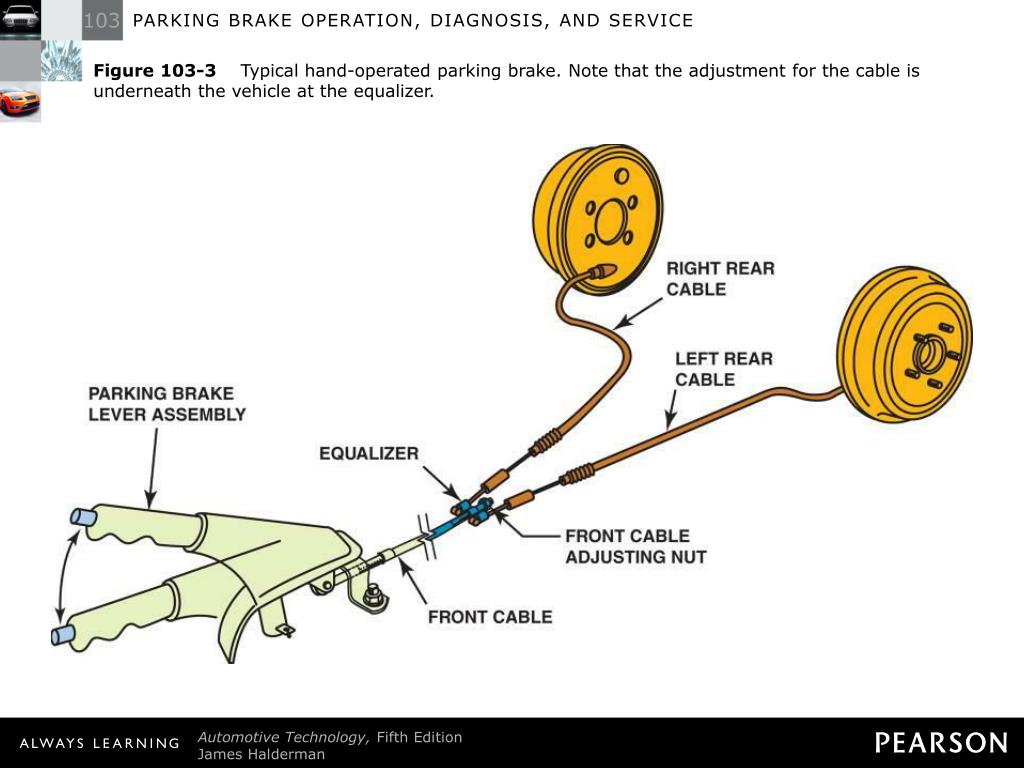
The parking brake system comprises several key components, each contributing to its ability to generate friction and immobilize the vehicle. These components can be categorized based on their primary functions: friction generation, tension application, and leverage amplification. Below is a structured breakdown of these parts, organized by their roles in the system:
| Component | Role | Typical Materials | Failure Indicators |
|---|---|---|---|
| Brake Shoes/Pads | Generate friction against the brake drum or rotor to halt wheel rotation. | Asbestos-free composites, ceramic, or semi-metallic materials. | Thinning, cracking, or glazing (loss of friction coefficient). |
| Brake Drum/Rotor | Provides a surface for brake shoes/pads to clamp against, converting kinetic energy into heat. | Cast iron (drums), cast iron or steel (rotors). | Warping, grooves, or excessive wear reducing contact area. |
| Cables (Cable-Operated Systems) | Transmit mechanical tension from the lever to the brake shoes via equalizer and adjusters. | Steel cables with rubber or plastic coatings. | Corrosion, fraying, or stiffness due to lack of lubrication. |
| Actuators (Hydraulic/Electronic Systems) | Convert manual or electronic input into mechanical force to engage the brake. | Hydraulic fluid (for hydraulic systems), electric motors (for electronic systems). | Leaks (hydraulic), motor failure or sensor malfunctions (electronic). |
| Leverage Mechanism | Amplifies the driver’s input force to generate sufficient tension in the cables or actuators. | Steel or aluminum levers, springs, and linkages. | Worn pivots, broken springs, or misalignment reducing leverage efficiency. |
| Equalizer and Adjuster | Ensure even distribution of tension across both rear wheels and compensate for cable/brake shoe wear. | Steel or cast components. | Seized adjusters or broken equalizer links causing uneven braking. |
The interplay between these components ensures that the parking brake can reliably counteract gravitational forces acting on the vehicle. For instance, on a 10% grade (approximately 5.7° incline), a vehicle weighing 1,500 kg (3,300 lbs) experiences a downward force of roughly 850 newtons on its rear wheels. The parking brake must generate sufficient friction to counteract this force, typically requiring a clamping force of 1,000–1,500 newtons depending on the coefficient of friction between the brake shoes and drum.
System Design Variations: Cable-Operated, Hydraulic, and Electronic Parking Brakes
Parking brake systems vary significantly in design, operation, and efficiency, with each type tailored to specific vehicle applications and performance requirements. Below is a comparative analysis of the three primary system types:
| System Type | Design Overview | Pros | Cons | Common Vehicle Applications |
|---|---|---|---|---|
| Cable-Operated | A manual system where pulling a lever tightens steel cables connected to brake shoes on the rear wheels. Relies on mechanical leverage and friction. |
|
|
|
| Hydraulic | Uses hydraulic pressure generated by the primary braking system to engage the parking brake. Often integrated with the master cylinder or a dedicated hydraulic circuit. |
|
|
|
| Electronic | Utilizes electric motors and sensors to apply and release the parking brake automatically or via a push-button. Often integrated with vehicle stability systems (e.g., ESC). |
|
|
|
The choice of system often aligns with a vehicle’s intended use and technological integration. For example, cable-operated systems dominate in budget-friendly or manual-transmission vehicles, where simplicity and low cost are prioritized. In contrast, electronic parking brakes are increasingly standard in automatic-transmission vehicles, offering seamless integration
Types of Parking Brakes: Manual vs. Automatic Systems
The evolution of parking brake technology has transformed from a simple mechanical lever into sophisticated electronic systems, each designed to enhance safety, convenience, and efficiency. While manual parking brakes—lever or pedal-activated—remain a staple in many vehicles, electronic parking brakes (EPB) are increasingly becoming the standard in modern automobiles. This shift reflects advancements in automotive engineering, where integration with vehicle stability systems and driver-assistance features redefines how parking brakes function in real-world scenarios. Understanding the distinctions between these systems, their operational mechanics, and their suitability for different driving conditions is essential for vehicle owners and enthusiasts alike.
Comparison of Manual and Automatic Parking Brake Systems
The choice between manual and automatic parking brakes hinges on activation methods, maintenance requirements, reliability, and cost. Below is a structured comparison to highlight key differences:
| Feature | Manual Parking Brake (Lever/Pedal) | Automatic Parking Brake (EPB) |
|---|---|---|
| Activation Method | Mechanical lever or pedal; requires manual engagement. | Electronic activation via button or switch; often integrated with the brake pedal. |
| Maintenance Needs | Regular inspection of cables, pads, and linkages; prone to wear over time. | Minimal maintenance; self-adjusting and diagnostic features reduce manual intervention. |
| Reliability in Extreme Conditions | Dependent on physical components; may degrade in harsh climates or off-road environments. | Redundant electronic systems with fail-safes; designed for durability in varied conditions. |
| Integration with Vehicle Systems | Isolated function; no direct integration with ABS or stability control. | Seamless integration with ABS, ESC, and traction control for enhanced safety. |
| Cost Factors | Lower upfront cost; potential long-term expenses for repairs. | Higher initial cost; reduced maintenance and repair expenses over time. |
| User Convenience | Requires physical effort; may be cumbersome in tight parking spaces. | One-touch activation; often includes auto-hold and hill-start assist. |
The table underscores that while manual parking brakes offer simplicity and lower costs, automatic systems provide advanced features and reliability. The decision ultimately depends on the vehicle’s intended use and the driver’s priorities.
Integration of Electronic Parking Brakes with Vehicle Stability Systems
Electronic parking brakes (EPB) represent a paradigm shift by integrating with anti-lock braking systems (ABS) and electronic stability control (ESC). This integration enhances safety by enabling features such as auto-hold, which automatically applies the brake when the vehicle is stationary, and hill-start assist, which prevents premature rolling on inclines. During dynamic driving conditions, EPB systems communicate with ABS to modulate brake pressure, ensuring optimal performance without wheel lockup.
For instance, in a scenario where a vehicle is descending a steep hill, the EPB works in tandem with ESC to apply proportional braking force, reducing the risk of skidding or loss of control. Additionally, modern EPB systems incorporate diagnostic trouble codes (DTCs) that alert drivers to potential issues, such as sensor malfunctions or hydraulic failures, before they escalate. This proactive approach minimizes downtime and enhances overall vehicle reliability.
Electronic parking brakes are not merely a convenience but a critical component of modern vehicle safety systems, bridging the gap between static parking and dynamic driving.
Installation Process for a Manual Parking Brake Lever
Installing or replacing a manual parking brake lever requires precision and adherence to safety protocols. Below is a step-by-step guide outlining the tools required and necessary precautions:
- Tools and Materials Required: A socket wrench set, flathead and Phillips screwdrivers, a torque wrench, brake cleaner, grease (for cable lubrication), and a jack with stands. Additionally, safety gloves and eye protection are essential to prevent injuries during installation.
- Safety Precautions: Ensure the vehicle is parked on a flat, stable surface and the engine is turned off. Engage the transmission in gear (for manual vehicles) or "Park" (for automatics) to prevent unintended movement. Disconnect the battery to avoid electrical shorts, and support the vehicle securely with jack stands.
- Removal of the Old Lever: Access the interior panel beneath the dashboard where the parking brake lever is mounted. Disconnect any electrical connectors and remove the mounting bolts securing the lever assembly. Use a socket wrench to loosen the parking brake cable from the lever, then detach the lever completely.
- Installation of the New Lever: Position the new lever in place and secure it with the mounting bolts, ensuring alignment with the parking brake cable. Reconnect the electrical connectors and test the lever’s functionality by engaging and releasing it. Apply grease to the cable to reduce friction and extend its lifespan.
- Final Adjustments and Testing: Adjust the parking brake cable tension according to the vehicle’s specifications using the torque wrench. Lower the vehicle and verify that the parking brake engages smoothly without excessive play. Road-test the vehicle to confirm proper operation before finalizing the installation.
Proper installation ensures the parking brake operates efficiently and safely, reducing the risk of mechanical failures or accidents.
Common Misconceptions About Automatic Parking Brakes
Automatic parking brakes are often misunderstood, particularly regarding their durability in extreme weather or off-road conditions. One prevalent myth is that EPB systems are prone to failure in cold climates due to electronic component sensitivity. In reality, modern EPB systems are designed with redundant sensors and heating elements to mitigate such risks. For example, vehicles equipped with EPB in regions like Scandinavia or Alaska demonstrate consistent performance, even in sub-zero temperatures, thanks to thermal management systems integrated into the design.
Another misconception is that automatic parking brakes are less reliable than manual systems in off-road or towing scenarios. However, EPB systems often include enhanced torque capabilities and adaptive engagement algorithms to handle increased loads. For instance, trucks and SUVs with EPB can maintain a secure hold during towing or when navigating rough terrain, provided the system is properly calibrated for the vehicle’s weight distribution.
Automatic parking brakes are engineered to exceed the limitations of manual systems in challenging conditions, debunking the notion of their inferior durability.
Decision-Making Flowchart for Choosing Between Manual and Automatic Parking Brakes
Selecting the appropriate parking brake system depends on the vehicle’s primary use case. Below is a decision-making flowchart to guide users based on driving habits and requirements:
1. Assess Vehicle Use: - Daily Commuting: Prioritize convenience and low maintenance. Proceed to automatic parking brake. - Off-Road or Towing: Require robust mechanical engagement. Proceed to manual parking brake.
2. Evaluate Budget Constraints: - Limited Budget: Manual systems offer cost-effective solutions. Select manual parking brake. - Long-Term Investment: Automatic systems reduce maintenance costs over time. Select automatic parking brake.
3. Consider Safety Features: - Integration with ABS/
Maintenance and Troubleshooting: Ensuring Parking Brake Reliability and Longevity
The parking brake, often overlooked until it malfunctions, plays a critical role in vehicle safety and stability. Regular maintenance prevents unexpected failures, especially in high-stress conditions such as steep inclines or emergency stops. Neglecting this system can lead to costly repairs, reduced resale value, or, worse, accidents. This section provides a structured approach to maintaining the parking brake, identifying common issues through observable symptoms, and performing essential adjustments. It also explores how environmental factors degrade components over time and offers actionable troubleshooting steps to diagnose and resolve failures systematically.
Routine Maintenance Checklist for Parking Brake Systems
Parking brake components degrade gradually due to friction, corrosion, and mechanical wear. A proactive maintenance schedule extends their lifespan and ensures consistent performance. Inspections should align with manufacturer recommendations—typically every 12,000 to 15,000 miles (20,000–25,000 km) or annually for most vehicles—but more frequent checks are advisable for heavy-duty use, such as towing or off-road driving.
Inspection Intervals and Key Components A well-organized maintenance routine minimizes downtime and prevents catastrophic failures. Below are critical inspection points, categorized by accessibility and frequency:
"A parking brake that fails to hold on a 20% grade (approximately 11.3° incline) is considered unsafe and requires immediate attention." — National Highway Traffic Safety Administration (NHTSA) Guidelines
-
Visual and Functional Inspection (Every 6 Months or 6,000 Miles)
- Lever/Actuator Check: Ensure the parking brake lever moves smoothly without excessive force or binding. Test the lever’s travel distance—it should require 4–6 notches (or equivalent clicks) to engage fully, depending on the vehicle model.
- Cable and Housing Inspection: Look for fraying, rust, or corrosion on cables. Check for proper lubrication at pivot points and along cable paths. Replace cables if they exhibit more than 30% elongation or visible damage.
- Drum and Shoe Condition (Rear Brakes): Remove wheels to inspect brake drums for scoring, cracks, or excessive wear (minimum thickness should not be less than 1.5–2.0 mm for most vehicles). Check brake shoes for uneven wear, glazing, or missing lining material.
- Automatic Parking Brake Systems (Electronic): Verify sensor functionality (if equipped) by monitoring warning lights on the dashboard. Ensure the system engages automatically during low-speed driving or when the vehicle is stationary.
-
Professional Service Intervals (Every 12–15 Months or 15,000 Miles)
- Adjustment and Calibration: Have a technician adjust the parking brake if lever travel exceeds manufacturer specifications. Automatic systems may require software recalibration.
- Brake Fluid and Hydraulic Check (If Applicable): Inspect fluid levels and condition, especially in hydraulic parking brake systems (common in modern vehicles). Contaminated or low fluid reduces braking efficiency.
- Parking Brake Motor and Actuator Test (Automatic Systems): Diagnose electrical faults or motor resistance using an OBD-II scanner or multimeter.
-
DIY vs. Professional Maintenance Recommendations
- DIY-Friendly Tasks:
- Lubricating cables and pivot points with brake system lubricant (e.g., copper-based grease).
- Adjusting cable tension (detailed steps provided in subsequent sections).
- Cleaning corroded cable housings with baking soda and water, followed by a light coat of corrosion inhibitor.
- Professional Tasks:
- Replacing worn brake shoes, drums, or cables.
- Diagnosing electronic faults in automatic parking brakes.
- Adjusting or replacing the parking brake actuator in vehicles with integrated systems (e.g., Tesla Model 3, Honda Civic with e-Park).
- DIY-Friendly Tasks:
Symptoms of a Failing Parking Brake: Diagnostic Table
Early detection of parking brake issues prevents safety hazards and reduces repair costs. Below is a structured table correlating symptoms with likely causes and solutions. Use this as a reference during inspections or when diagnosing persistent problems.
| Symptom | Likely Cause | Recommended Solution | ||||||||||||||||||||||||||||||||||||||||||||||||||||||||||||||||||||
|---|---|---|---|---|---|---|---|---|---|---|---|---|---|---|---|---|---|---|---|---|---|---|---|---|---|---|---|---|---|---|---|---|---|---|---|---|---|---|---|---|---|---|---|---|---|---|---|---|---|---|---|---|---|---|---|---|---|---|---|---|---|---|---|---|---|---|---|---|---|---|
| Parking brake lever requires excessive force to engage or fails to hold the vehicle on an incline. |
|
|
||||||||||||||||||||||||||||||||||||||||||||||||||||||||||||||||||||
| High-pitched squealing or grinding noises when the parking brake is applied. |
|
|
||||||||||||||||||||||||||||||||||||||||||||||||||||||||||||||||||||
| Parking brake lever moves too far before engaging (excessive travel). |
|
|
||||||||||||||||||||||||||||||||||||||||||||||||||||||||||||||||||||
| Vehicle pulls to one side when the parking brake is engaged. |
|
|
||||||||||||||||||||||||||||||||||||||||||||||||||||||||||||||||||||
| Warning light illuminated (automatic parking brake systems). |
|
|
||||||||||||||||||||||||||||||||||||||||||||||||||||||||||||||||||||
| Parking brake lever is stuck or difficult to release. |
Trade-Offs Between Performance Upgrades and Potential DrawbacksWhile upgrades enhance parking brake performance, they often introduce trade-offs that must be evaluated based on vehicle use and driving conditions. Performance Benefits and Associated Drawbacks:Safety and Legal Considerations: Compliance and Best Practices for Parking BrakesThe parking brake, often overlooked in routine vehicle maintenance, plays a critical role in both legal compliance and safety. Regulations governing parking brake functionality vary globally, with commercial vehicles, trailers, and off-road applications subject to stricter scrutiny. Beyond adherence to laws, the parking brake acts as a failsafe against unintended vehicle movement, particularly on inclines, where its failure can lead to severe accidents. Real-world incidents, such as rollaways on mountainous roads or trailer detachments during towing, underscore the necessity of proper usage and maintenance. This section explores regional legal requirements, the parking brake’s role in safety systems, best practices for diverse scenarios, and the importance of pre-trip inspections, supported by case studies illustrating the consequences of neglect.Regional Parking Brake Laws and Regulatory RequirementsParking brake regulations differ significantly by country and vehicle type, with commercial and off-road vehicles often subject to additional mandates. Below is a comparative table summarizing key legal requirements, including inspection intervals, functionality standards, and specific exemptions for trailers or off-road use. Compliance ensures legal operation while mitigating risks associated with parking brake failure.
Parking Brake Functionality in Vehicle Safety SystemsThe parking brake is a critical component of a vehicle’s rollaway prevention system, particularly on inclines where gravitational forces exceed friction. Its primary function is to immobilize the vehicle when the engine is off, ensuring stability during parking. Modern vehicles integrate the parking brake into broader safety systems, such as:The parking brake’s ability to hold a vehicle stationary on a slope is determined by the coefficient of friction (μ) between the brake pads/rotors and the normal force (N) applied. The formula for holding force (F) is: F = μ × N For a 20% grade, the required holding force is approximately 0.38 × vehicle weight. Failure to meet this threshold increases rollaway risk by up to 400% on steep inclines. Best Practices for Parking Brake Usage in Diverse ScenariosProper parking brake technique varies by terrain, vehicle type, and load conditions. Below are evidence-based best practices to mitigate risks in common situations. Parking on Hills or InclinesInnovations and Future Trends in Parking Brake TechnologyThe evolution of parking brake systems reflects broader advancements in automotive engineering, shifting from purely mechanical solutions to integrated electronic and intelligent designs. Emerging technologies now prioritize efficiency, sustainability, and seamless integration with autonomous and electric vehicle (EV) architectures. These innovations not only enhance performance and convenience but also address critical challenges such as wear compensation, energy recovery, and remote diagnostics. As vehicles become increasingly connected and autonomous, parking brake systems are poised to transform into adaptive, self-regulating components that anticipate driver needs and environmental conditions. The trajectory of parking brake development spans over a century, from rudimentary mechanical levers to sophisticated electronic modules. Each milestone has introduced improvements in reliability, safety, and user experience, with modern systems now leveraging data analytics and regenerative energy principles. The future of parking brake technology will likely be defined by its ability to harmonize with smart infrastructure, predictive maintenance frameworks, and the growing demand for sustainable automotive solutions.Emerging Technologies in Parking Brake SystemsSmart sensors and embedded electronics are redefining the functionality of parking brakes, enabling automatic engagement based on real-time data. These sensors detect vehicle inclination, battery status (in EVs), and driver intent, allowing the system to activate or release the brake without manual intervention. For instance, Tesla’s "Smart Parking Brake" integrates with its regenerative braking system to hold the vehicle securely while minimizing energy drain, a feature increasingly adopted by other EV manufacturers. Regenerative braking integration represents another paradigm shift, where kinetic energy lost during deceleration is captured and stored in the battery. Parking brakes in EVs now work in tandem with regenerative systems to ensure the vehicle remains stationary without excessive wear on friction-based components. Hyundai’s "Eco-Brake" system exemplifies this approach, combining electric motor braking with a mechanical parking brake to extend component lifespan and improve energy efficiency. Artificial intelligence (AI) is also making inroads into parking brake diagnostics. Machine learning algorithms analyze vibration patterns, temperature fluctuations, and wear indicators to predict maintenance needs before failures occur. Bosch’s predictive maintenance tools for automotive systems demonstrate how AI can optimize parking brake performance by adjusting torque application dynamically, reducing false activations, and extending service intervals.Adaptive Parking Brake Systems in Electric and Hybrid VehiclesElectric and hybrid vehicles (EVs/HVs) are driving a redesign of parking brake systems, primarily due to their reliance on regenerative braking and the elimination of traditional engine-based friction mechanisms. In these vehicles, parking brakes must compensate for the absence of engine compression, which historically assisted in holding the vehicle stationary. Modern EVs often employ electromechanical parking brakes (EMPBs), combining electric motors with mechanical actuators to provide consistent holding force regardless of battery state or gradient. Self-adjusting parking brakes represent the next frontier, where systems automatically compensate for wear, temperature changes, and load variations. ZF’s "Active Parking Brake" uses real-time feedback from wheel sensors to modulate brake pad pressure, ensuring optimal grip even on uneven terrain or in extreme climates. This adaptability is critical for autonomous vehicles (AVs), where manual override is impractical. AVs may eventually feature AI-driven parking brake modules that engage preemptively based on traffic conditions, slope detection, or battery charge levels, eliminating the need for driver interaction entirely. The integration of parking brakes with vehicle dynamic control systems (VDC) further enhances stability. In EVs like the BMW i4, the parking brake works in concert with the electronic stability program to prevent rollback during sudden acceleration, a feature that could become standard in future autonomous fleets. Such systems reduce reliance on friction materials, aligning with the industry’s push for low-drag, high-efficiency braking solutions.Timeline of Parking Brake Innovations and Key MilestonesThe evolution of parking brake technology can be segmented into distinct eras, each marked by transformative advancements:Environmental and Sustainable Materials in Parking Brake DesignTraditional parking brake materials, such as asbestos-containing linings, have been replaced by ceramic, carbon, or organic composites to mitigate health and environmental risks. Akebono’s "Eco-Friendly Brake Pads" use copper-free formulations, reducing toxic emissions during manufacturing and disposal. Similarly, Brembo’s "Green Steel" brake components incorporate recycled materials, cutting carbon footprints by up to 30% compared to conventional production methods. The automotive industry is also exploring biodegradable and self-lubricating coatings for brake pads, which extend lifespan and reduce microplastic pollution from wear particles. Michelin’s "SilentPark" system demonstrates how noise reduction (via optimized friction materials) can align with sustainability goals, as quieter brakes often correlate with lower energy loss. For electric vehicles, the environmental impact extends to cable and actuator materials. Wireless parking brake actuators, such as those in Nissan’s Leaf, eliminate traditional wiring harnesses, reducing weight and e-waste. Future trends may include graphene-enhanced brake pads, which offer superior heat dissipation and longevity while being fully recyclable.Connected Car Technology and the Future of Remote Parking Brake SystemsThe proliferation of Vehicle-to-Everything (V2X) communication is set to revolutionize parking brake functionality, enabling remote activation, predictive adjustments, and fleet-wide diagnostics. For example, Audi’s "My Audi" app allows users to engage the parking brake via smartphone, a feature that could evolve into automated garage integration, where the vehicle locks itself securely upon entry. In smart city infrastructures, parking brakes may sync with traffic management systems to prevent unauthorized movement in high-density areas. Predictive maintenance alerts, powered by IoT sensors and AI, could notify owners before wear thresholds are exceeded, reducing unplanned downtime. Volvo’s "Care Key" system already provides real-time health updates for critical components, a model likely to expand to parking brake monitoring. For autonomous vehicles, geofencing and GPS-triggered parking brakes could become standard, ensuring vehicles remain stationary in designated zones without manual input. Waymo’s autonomous fleet tests such systems in urban environments, where precise control over parking brakes is essential for safety and efficiency. The next decade may see neural network-driven parking brake optimization, where vehicles learn individual driver habits and environmental conditions to tailor brake performance dynamically.The parking brake hand brake stands as a testament to automotive engineering’s balance between simplicity and sophistication, where a well-timed pull can mean the difference between safety and disaster. As technology evolves, from self-adjusting systems in autonomous vehicles to smart sensors predicting wear before failure, the future promises even greater reliability. Yet, the fundamentals remain unchanged: regular maintenance, proper technique, and an understanding of the mechanics behind the lever or pedal are the cornerstones of a dependable parking brake. Whether you’re navigating a city’s steep inclines or towing a heavy load, mastering this often-overlooked system ensures your vehicle stays put—no matter what the road throws at it. |
Leave a Comment
Comments are moderated before appearing. The data you submit is processed according to the Privacy Policy of Vetlife Archive.