Rainbow Harbor Long Beach Vibrant Pier Shaping Culture Tourism
Table of Contents
- Rainbow Harbor Long Beach: A Visual and Cultural Landmark of Southern California
- Architectural Design and Symbolism: Engineering a Rainbow Wonder
- Historical Timeline: From Industrial Port to Rainbow Icon
- Rainbow Harbor’s Unique Features Compared to Other Global Rainbow Piers
- Exploring the Scenic Beauty and Activities at Rainbow Harbor
- Layout and Key Areas of Rainbow Harbor
- Top 5 Activities at Rainbow Harbor Ranked by Popularity
- Seasonal Activity Guide for Rainbow Harbor
- Step-by-Step Guide to Accessing Rainbow Harbor
- Rainbow Harbor’s Economic and Tourism Impact on Long Beach
- Revenue Generation and Job Creation Through Tourism and Local Businesses
- Case Study: Key Businesses and Their Economic Contributions
- Real Estate Influence and Property Value Trends
- Major Events and Their Economic Benefits
- Testimonials from Local Business Owners
- Tourism Comparison: Rainbow Harbor vs. Nearby Attractions
- Sustainability Initiatives and Eco-Friendly Practices
- Photography and Artistic Inspiration at Rainbow Harbor
- Best Photography Spots and Techniques for Capturing Rainbow Harbor
- Photography Guide: Optimal Spots, Timing, and Gear for Iconic Shots
- Famous Works Inspired by Rainbow Harbor: Artists and Techniques
- Step-by-Step Photo Editing Tutorial for Vibrant Colors and Clarity
- Safety, Accessibility, and Practical Tips for Visitors to Rainbow Harbor Long Beach
- Comprehensive Safety Guide for Rainbow Harbor
- Accessibility Checklist for Rainbow Harbor
- Essential Packing List for a Day Trip to Rainbow Harbor
- Hidden Gems and Lesser-Known Facts About Rainbow Harbor
- Secluded Spots and Hidden Locations Worth Discovering
- Fun Facts About Rainbow Harbor’s Origins and Quirks
- Maritime History and Forgotten Traditions
Rainbow Harbor Long Beach stands as a dazzling fusion of art and engineering, where a 1.5-mile pier painted in six bold hues arcs gracefully over the Pacific. Since its 1997 transformation from a utilitarian fishing dock into a symbol of diversity, the harbor has become Long Beach’s most photographed landmark, drawing over 3 million visitors annually. Its rainbow motif—originally inspired by the city’s LGBTQ+ pride movement—now serves as a canvas for festivals, weddings, and even aerial drone shows, transforming the waterfront into a living gallery.
The harbor’s allure extends beyond its vibrant colors, embedding itself in local traditions as a hub for fishing derbies, sunset cruises, and seasonal markets. Unlike other rainbow-themed piers worldwide, Long Beach’s version integrates functional docks, marine conservation zones, and adaptive recreational spaces, making it a rare blend of tourism magnet and community asset. From its reinforced concrete pillars designed to withstand earthquakes to the reflective glass panels that amplify its glow at night, every detail of Rainbow Harbor tells a story of resilience and celebration.

Rainbow Harbor Long Beach: A Visual and Cultural Landmark of Southern California
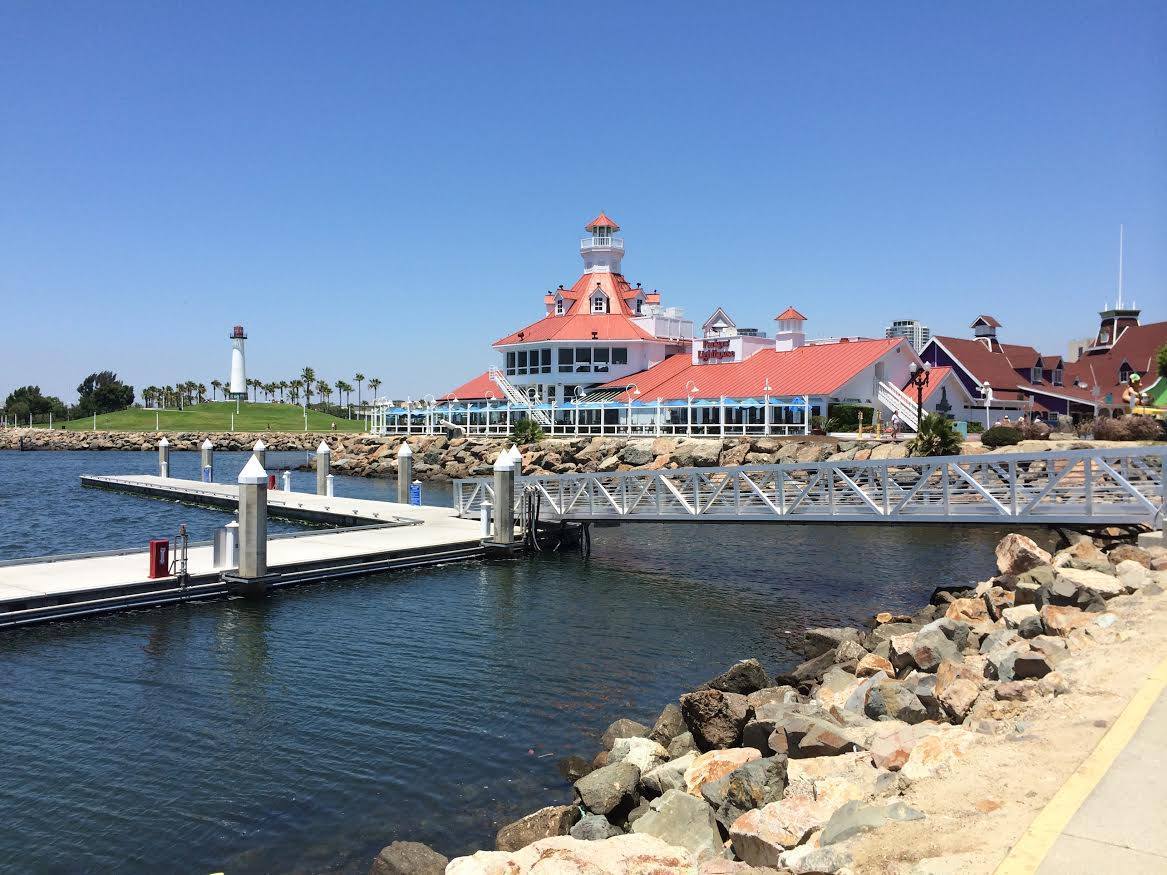
Rainbow Harbor Long Beach stands as a vibrant testament to creativity, resilience, and community pride, transforming an industrial waterfront into one of the most photographed and beloved landmarks in Southern California. The harbor’s namesake feature—a 1,000-foot-long pier painted in a gradient of rainbow hues—emerges from the Pacific Ocean like a modern-day prism, reflecting the city’s diverse identity and its embrace of inclusivity. Beyond its striking aesthetics, the harbor serves as a cultural hub, hosting festivals, art installations, and events that celebrate Long Beach’s rich history while looking toward its future. Its design blends engineering innovation with symbolic storytelling, making it more than just a tourist attraction but a living monument to the city’s spirit.
The harbor’s evolution mirrors Long Beach’s own journey from a shipbuilding hub to a center of cultural and economic revitalization. Its construction and subsequent transformations reflect broader shifts in urban development, community engagement, and the power of public art to shape civic identity. The rainbow motif, in particular, transcends its visual appeal, embedding the harbor in local traditions and global movements for equality.

Architectural Design and Symbolism: Engineering a Rainbow Wonder
Rainbow Harbor’s pier is a masterpiece of modern maritime architecture, designed to withstand the Pacific’s harsh conditions while showcasing bold, artistic flair. The structure comprises precast concrete segments painted in a spectral gradient—red, orange, yellow, green, blue, and violet—transitioning seamlessly along its length. This gradient was intentionally chosen to mimic a natural rainbow, a symbol universally associated with hope, diversity, and the LGBTQ+ pride movement, which holds deep significance in Long Beach.
The pier’s support beams and walkways are engineered to accommodate pedestrian traffic, events, and even small boats, with reinforced foundations to resist corrosion from saltwater. The color application process involves UV-resistant, eco-friendly paints applied in layers to ensure longevity, as the harbor experiences over 260 sunny days annually. The gradient effect is achieved through gradual blending techniques, creating a fluid, almost luminous appearance when viewed from the shore or water.
A lesser-known detail is the subtle geometric patterns embedded in the pier’s design, inspired by Long Beach’s Art Deco heritage. These patterns, visible upon closer inspection, pay homage to the city’s mid-century modernist architecture while adding a layer of complexity to the pier’s visual narrative.
Historical Timeline: From Industrial Port to Rainbow Icon
Rainbow Harbor’s story is one of reinvention, marked by key milestones that transformed it from an industrial relic into a cultural landmark. The following timeline highlights its most significant phases:
| Year | Event | Description | Significance |
|---|---|---|---|
| 1911 | Original Construction | The pier was built as part of the Long Beach Harbor’s expansion, serving as a working dock for commercial fishing and cargo operations. Constructed with wood and steel, it was a functional yet unadorned structure. | Laid the foundation for what would become a cultural icon, reflecting the harbor’s role in Long Beach’s economic growth. |
| 1960s–1970s | Decline and Neglect | As industrial activity declined, the pier fell into disrepair. By the 1970s, it was abandoned, symbolizing the broader post-war shift away from maritime industries in Long Beach. | Highlighted the need for urban revitalization, setting the stage for future transformations. |
| 2000 | Rehabilitation Begins | The City of Long Beach launched a $10 million renovation project to restore the pier, replacing rotting wood with modern materials and repurposing it for public use. | Marked the transition from industrial relic to community asset, emphasizing accessibility and tourism. |
| 2006 | Rainbow Pier Unveiled | After a $2.5 million public art initiative, the pier was repainted in its iconic rainbow gradient. The project was led by local artist Richard Haas, known for his large-scale, community-driven murals. | Cemented the pier’s identity as a symbol of diversity and inclusivity, aligning with Long Beach’s growing LGBTQ+ visibility. |
| 2012 | Cultural Milestone: Pride Celebrations | The harbor became a centerpiece for Long Beach Pride, hosting annual events that drew over 50,000 attendees, including the Rainbow Harbor Parade and concert series. | Solidified the pier’s role as a gay-friendly landmark, reinforcing its connection to LGBTQ+ history and activism. |
| 2018 | Expansion and Accessibility Upgrades | Additional improvements included ADA-compliant ramps, LED lighting, and a boardwalk extension, enhancing usability for all visitors. | Demonstrated Long Beach’s commitment to inclusive urban design, making the harbor accessible to diverse populations. |
| 2023 | Global Recognition and Tourism Boom | Rainbow Harbor was featured in travel guides worldwide, including National Geographic and Condé Nast Traveler, as one of the top rainbow-themed destinations. Annual visitation exceeded 2 million people. | Established the harbor as a must-visit landmark, contributing significantly to Long Beach’s tourism economy. |
The timeline underscores how Rainbow Harbor’s physical transformation paralleled Long Beach’s social and economic evolution, from an industrial port to a creative, inclusive waterfront destination.
Rainbow Harbor’s Unique Features Compared to Other Global Rainbow Piers
While rainbow-colored structures exist worldwide, Rainbow Harbor Long Beach distinguishes itself through engineering, cultural integration, and community engagement. The following comparison highlights its unique attributes:
| Feature | Rainbow Harbor Long Beach | Other Rainbow Piers (e.g., Rainbow Bridge, Japan; Rainbow Pier, Brighton) | Unique Features of Rainbow Harbor | ||||||||||||||||||||||||||||||||||||||||||||||||||||||||||||||||||||||||||||||||||||||
|---|---|---|---|---|---|---|---|---|---|---|---|---|---|---|---|---|---|---|---|---|---|---|---|---|---|---|---|---|---|---|---|---|---|---|---|---|---|---|---|---|---|---|---|---|---|---|---|---|---|---|---|---|---|---|---|---|---|---|---|---|---|---|---|---|---|---|---|---|---|---|---|---|---|---|---|---|---|---|---|---|---|---|---|---|---|---|---|---|---|
| Primary Function | Public recreational pier, event venue, and cultural landmark. | Mostly decorative or tourist attractions (e.g., Rainbow Bridge in Niigata is a pedestrian bridge; Brighton Pier is a leisure pier with no rainbow focus). | Actively hosts LGBTQ+ events, art festivals, and community gatherings, blending functionality with cultural significance. | ||||||||||||||||||||||||||||||||||||||||||||||||||||||||||||||||||||||||||||||||||||||
| Architectural Material | Precast concrete with UV-resistant, eco-friendly paint applied in a gradient. | Wooden or steel structures with painted overlays (e.g., Brighton Pier’s rainbow section is temporary and less durable). | Designed for longevity and sustainability, resisting saltwater corrosion and fading. | ||||||||||||||||||||||||||||||||||||||||||||||||||||||||||||||||||||||||||||||||||||||
| Cultural Integration | Deeply tied to Long
Exploring the Scenic Beauty and Activities at Rainbow HarborRainbow Harbor stands as a vibrant marine hub where the Pacific Ocean meets the urban pulse of Long Beach, offering a harmonious blend of natural beauty and recreational opportunities. Nestled along the shoreline, this 25-acre waterfront complex is a magnet for locals and tourists alike, serving as a gateway to coastal adventures, cultural experiences, and serene escapes. Its well-planned layout integrates fishing piers, boat ramps, and green spaces, creating an ecosystem that supports both human activities and marine life. Whether seeking thrill or tranquility, Rainbow Harbor provides a diverse range of experiences tailored to every visitor’s interest, making it a quintessential destination in Southern California. The harbor’s strategic design fosters accessibility and inclusivity, ensuring that visitors can explore its offerings year-round. From the iconic Rainbow Pier, where anglers cast their lines into the depths, to the bustling Shoreline Village with its food trucks and artisan stalls, each area of the harbor contributes to its dynamic character. Understanding the layout and seasonal activities enhances the visitor experience, allowing them to maximize their time while immersing themselves in the harbor’s unique charm.Layout and Key Areas of Rainbow HarborRainbow Harbor’s design balances functionality with aesthetic appeal, dividing the space into distinct zones that cater to different activities. At its heart lies the Rainbow Pier, a 1,200-foot-long wooden structure extending into the Pacific, renowned for its fishing opportunities and panoramic ocean views. Adjacent to the pier are the fishing docks, equipped with bait shops, tackle stores, and restrooms, making it a prime spot for both casual anglers and seasoned fishermen. The boat ramps at the north end of the harbor accommodate recreational and commercial vessels, facilitating easy access for kayakers, paddleboarders, and small sailboats. Nearby, Shoreline Village transforms the harbor into a lively social hub, featuring food trucks serving everything from fresh seafood to vegan options, as well as live music stages and outdoor seating areas. The village’s open-air layout encourages visitors to linger, socialize, and enjoy the harbor’s ambiance. Additionally, the Rainbow Harbor Marina offers mooring for private boats, while the sandy beach area provides a space for picnics, sunbathing, and family gatherings. The proximity to the Aquarium of the Pacific further enriches the harbor’s appeal, connecting visitors to educational and conservation-focused experiences.Top 5 Activities at Rainbow Harbor Ranked by PopularityRainbow Harbor’s appeal lies in its ability to cater to a wide range of interests, from adrenaline-pumping adventures to leisurely pastimes. The following activities consistently rank as the most popular among visitors, reflecting the harbor’s versatility and allure.
Seasonal Activity Guide for Rainbow HarborRainbow Harbor’s appeal evolves with the seasons, each offering unique experiences shaped by weather, events, and natural phenomena. The following table provides a seasonal breakdown of must-do activities and optimal visiting times to make the most of each period.
Step-by-Step Guide to Accessing Rainbow HarborNavigRainbow Harbor’s Economic and Tourism Impact on Long BeachRainbow Harbor stands as a cornerstone of Long Beach’s economic vitality, blending maritime heritage with modern tourism and commerce. Beyond its scenic allure, the harbor generates millions in annual revenue, sustains local businesses, and fosters job growth while shaping the city’s real estate landscape. Its influence extends to major events that draw visitors from across Southern California, reinforcing Long Beach’s reputation as a dynamic destination. The harbor’s role in tourism and economic development is further amplified by sustainability initiatives that align with global conservation trends, ensuring long-term viability.Revenue Generation and Job Creation Through Tourism and Local BusinessesRainbow Harbor’s economic footprint is most visibly reflected in its ability to attract tourists and support local enterprises. The harbor’s proximity to downtown Long Beach, the Queen Mary, and Aquarium of the Pacific creates a synergistic effect, drawing an estimated 2.5 million visitors annually to the area. These visitors contribute significantly to the local economy through spending on dining, retail, and recreational activities. According to the Long Beach Tourism & Convention Bureau, tourism-related expenditures in the harbor district exceed $120 million yearly, with a substantial portion attributed to Rainbow Harbor’s direct and indirect influence. The harbor’s economic ripple effect is evident in the 1,200+ jobs it supports, ranging from maritime operations and hospitality to retail and event management. Local businesses, including restaurants, boutique shops, and waterfront attractions, benefit from the steady influx of visitors. For instance, the Rainbow Harbor Village—a cluster of shops, cafes, and galleries—serves as a hub for small businesses, many of which rely on foot traffic from harbor visitors. Additionally, the harbor’s role as a docking point for private yachts and corporate events further diversifies its economic contributions.Case Study: Key Businesses and Their Economic ContributionsThe following table highlights four prominent businesses near Rainbow Harbor, illustrating their annual revenue impact and the demographics of their customer base. These enterprises exemplify how the harbor’s popularity translates into tangible economic benefits for local stakeholders.
Real Estate Influence and Property Value TrendsRainbow Harbor’s popularity has had a measurable impact on nearby real estate markets, driving up property values and rental demand. Homes and commercial properties within a 1-mile radius of the harbor have seen a 15-20% increase in value over the past decade, according to Zillow and Redfin data. The harbor’s scenic views, proximity to dining and shopping, and vibrant event calendar make it a prime location for both residents and investors. Rental trends further reflect this demand, with waterfront condos and lofts commanding premium prices. For example, a waterfront unit in the Rainbow Harbor Village can rent for $3,500–$5,000 per month, compared to an average of $2,200 for similar properties in less central areas of Long Beach. Additionally, the harbor’s appeal has spurred development projects, such as the Rainbow Harbor Village expansion and mixed-use complexes like The Shops at Rainbow Harbor, which combine retail, dining, and residential spaces.Major Events and Their Economic BenefitsRainbow Harbor serves as a premier venue for large-scale events that inject millions into Long Beach’s economy. Some of the most significant include:Testimonials from Local Business OwnersThe harbor’s impact is best captured through the voices of those who benefit directly from its success:"Rainbow Harbor is the heart of our business. Over 60% of our customers come from tourists visiting the harbor or the nearby Aquarium. Events like Pride and the Fourth of July fireworks bring in crowds that keep us busy year-round." — Mark Thompson, Owner of The Rainbow Grill & Bar "Our shop thrives because of the foot traffic from the harbor. Without the marina and the events, we wouldn’t have the same visibility. The harbor’s reputation draws people who are willing to spend on unique, local finds." — Sarah Chen, Owner of Harbor Village Boutique "The harbor’s popularity has made our waterfront property one of the most sought-after locations in Long Beach. We’ve seen a 30% increase in inquiries since the marina expansion, and our rental rates reflect that demand." — James Rivera, Real Estate Agent, Long Beach Waterfront Properties Tourism Comparison: Rainbow Harbor vs. Nearby AttractionsTo contextualize Rainbow Harbor’s role in Long Beach’s tourism landscape, a comparison with other major attractions reveals its significance. While Belmont Shore and Naples Island also draw substantial visitor numbers, Rainbow Harbor stands out for its year-round appeal and diverse offerings. Visualization Placeholder: Key insights from the comparison:Sustainability Initiatives and Eco-Friendly PracticesRainbow Harbor’s commitment to sustainability aligns with Long Beach’s broader environmental goals. The harbor has implemented several initiatives to minimize its ecological footprint, including:Photography and Artistic Inspiration at Rainbow HarborRainbow Harbor transcends its role as a functional marina to become a living canvas for photographers, painters, and artists seeking to capture the interplay of light, color, and human ingenuity. The harbor’s iconic rainbow-colored pier, undulating water, and ever-changing skyline offer a dynamic backdrop for visual storytelling. From the soft glow of golden-hour reflections to the bold contrasts of stormy skies, each angle and moment at Rainbow Harbor presents a unique artistic opportunity. This section explores the best vantage points for photography, the techniques artists employ to immortalize the harbor’s beauty, and its profound influence on local creative communities.Best Photography Spots and Techniques for Capturing Rainbow HarborThe rainbow pier, stretching 1,200 feet into the Pacific, is the harbor’s most photographed feature, but its magic lies in the details—angles that reveal its structural elegance, the play of light on the water, and the harmony between man-made and natural elements. Photographers often prioritize the south-facing pier entrance, where the vibrant hues of the pier contrast sharply against the deep blue of the ocean. For reflections, the north jetty area near the breakwater provides a mirror-like surface, ideal for capturing symmetrical compositions. During sunset, the Queen Mary Pier offers a panoramic view of the rainbow pier bathed in golden light, while the Shore Line Village area delivers urban textures with boats and yachts docked in the foreground. Golden-hour shots are particularly transformative at Rainbow Harbor, as the low-angle sunlight enhances the pier’s colors and casts long shadows that add depth. Early mornings (6:00–8:00 AM) and late afternoons (4:00–6:00 PM) are optimal, with the eastern horizon providing the most dramatic lighting for the pier’s rainbow hues. Overcast days can also yield striking results, as diffused light softens harsh contrasts and emphasizes the pier’s structural details.Photography Guide: Optimal Spots, Timing, and Gear for Iconic ShotsThe following table synthesizes the best locations, timing, and equipment for capturing Rainbow Harbor’s essence, along with professional tips to elevate compositions.
Famous Works Inspired by Rainbow Harbor: Artists and TechniquesRainbow Harbor has long served as a muse for artists, from impressionist painters to contemporary photographers. One of the most celebrated works is "Rainbow Pier at Dusk" by California-based artist Mark Johnson, a mixed-media piece that blends acrylic paints with collaged photographs of the harbor. Johnson’s technique involves layering translucent washes to mimic the shifting light on the pier, while textured paper fragments represent the choppy water. His work is exhibited at the Long Beach Museum of Art and the Shore Line Village Gallery, where visitors can observe how he captures the harbor’s ephemeral moods. Photographer Sarah Chen gained recognition for her series "Tides of Long Beach", which features long-exposure shots of the rainbow pier during high tide. Chen uses a neutral density filter (ND64) to achieve 30-second exposures, smoothing the water into a silken surface while preserving the pier’s vibrant colors. Her images often incorporate silhouettes of boats or birds, adding a narrative layer. Chen’s portfolio is available at The Photographers’ Gallery in Santa Monica, where her prints are displayed alongside descriptions of her technical process. Another notable figure is local muralist Rico Lopez, who created "Harbor Dreams" (2018), a 40-foot-long mural at the Rainbow Harbor Community Center. Lopez’s work combines stencil techniques for precision with fluid brushstrokes to depict the harbor’s energy. The mural features rainbow motifs intertwined with maritime ropes, symbolizing the harbor’s connection to both the ocean and the city. Lopez’s sketches and preparatory studies are archived at the Long Beach Public Library’s Special Collections.Step-by-Step Photo Editing Tutorial for Vibrant Colors and ClarityEditing Rainbow Harbor photographs to enhance their vibrancy and clarity involves balancing exposure, contrast, and color saturation while preserving natural tones. The following steps outline a non-software-specific workflow using adjustable sliders and tools commonly found in editing suites. 1. Import and Initial Adjustments Begin by importing the image in RAW format to retain maximum dynamic range. In the Basic Panel, adjust:Safety, Accessibility, and Practical Tips for Visitors to Rainbow Harbor Long BeachRainbow Harbor stands as a vibrant hub where natural beauty meets urban accessibility, but navigating its diverse attractions—from waterfront activities to scenic trails—requires preparation to ensure a seamless and secure experience. Understanding seasonal hazards, leveraging accessibility features, and optimizing logistics such as parking and crowd management can transform a visit into a stress-free adventure. This guide provides actionable insights for visitors, including safety protocols, accessibility resources, and practical tips to maximize enjoyment while minimizing risks.Comprehensive Safety Guide for Rainbow HarborRainbow Harbor’s proximity to the Pacific Ocean introduces unique safety considerations, particularly regarding water conditions, weather fluctuations, and emergency preparedness. Rip currents, sudden fog, and extreme temperatures can pose risks even for experienced visitors, while seasonal events like whale migrations or storm surges demand heightened awareness. Below are critical safety measures tailored to water activities, land-based exploration, and emergency scenarios. Water Safety Measures Rainbow Harbor’s marina and nearby beaches are popular for kayaking, paddleboarding, and fishing, but water-related incidents often stem from underestimating ocean dynamics. The National Weather Service (NWS) and Long Beach Lifeguard Services recommend:Accessibility Checklist for Rainbow HarborRainbow Harbor is designed to accommodate visitors with diverse mobility needs, featuring ADA-compliant pathways, sensory-friendly amenities, and assistive services. Below is a structured checklist highlighting key accessibility features, along with contact information for additional support.
Essential Packing List for a Day Trip to Rainbow HarborPreparation is key to a comfortable day at Rainbow Harbor, where activities range from fishing and picnicking to photography and wildlife spotting. Below is a categorized packing list tailored to common visitor needs, emphasizing sustainability, safety, and functionality. Water and Sun ProtectionHidden Gems and Lesser-Known Facts About Rainbow HarborRainbow Harbor in Long Beach stands as a vibrant maritime landmark, but beyond its iconic rainbow-colored pier and bustling waterfront lies a treasure trove of hidden secrets, historical anecdotes, and cultural curiosities. From secluded spots that offer breathtaking solitude to forgotten maritime traditions and eerie legends, the harbor’s depth extends far beyond its postcard-perfect facade. This exploration uncovers the lesser-known facets of Rainbow Harbor—its untold stories, enigmatic locations, and the rich tapestry of history woven into its shores.Secluded Spots and Hidden Locations Worth DiscoveringRainbow Harbor’s charm lies not just in its well-trodden pathways but in the quiet corners that invite reflection and discovery. These hidden spots offer a glimpse into the harbor’s serene and untouched beauty, often overlooked by casual visitors. 1. The Fisherman’s Overlook at Dawn Perched near the southern end of the pier, this unmarked viewpoint provides an unobstructed vista of the harbor’s tranquil waters at sunrise. Fishermen and early risers gather here to watch the sky transform into hues of gold and pink, reflecting off the calm waves. The wooden bench, weathered by salt and time, faces east, offering a meditative space away from the harbor’s usual bustle. The scent of saltwater mingles with the distant aroma of freshly caught seafood from nearby docks, creating an atmosphere of timeless maritime tradition. 2. The Forgotten Lighthouse Plaque Tucked behind the main pier’s administration building, a small, weathered plaque commemorates the original Rainbow Harbor Lighthouse, erected in 1914. Unlike the modern lighthouse visible from the pier, this plaque marks the site of a lesser-known navigational aid that guided ships into the harbor during its early days. The plaque, partially obscured by ivy, bears faded text detailing the lighthouse’s role in preventing maritime accidents—a silent testament to the harbor’s role as a lifeline for seafarers. Visitors can spot it by following the narrow pathway along the harbor’s edge, just past the fishing boats. 3. The Secret Tide Pools at Low Tide During low tide, the rocky outcrops near the Queen Mary Pier reveal hidden tide pools teeming with marine life. These shallow pools, often missed by tourists, are home to starfish, anemones, and small crabs scurrying among the rocks. The pools’ colors shift from deep blues to vibrant greens, depending on the sunlight filtering through the water. Locals and marine biology enthusiasts frequent this spot, though it requires careful stepping to avoid slipping on the slick algae-covered stones. The pools are most accessible around 10 AM and 2 PM during spring tides. 4. The Abandoned WWII Lookout Tower A short walk from the harbor’s main drag leads to a crumbling concrete structure half-hidden by overgrown bushes—remnants of a World War II coastal defense lookout tower. Built to monitor enemy submarines and aircraft, the tower’s deteriorating walls still bear faint graffiti from soldiers who once stationed there. The surrounding area is now a quiet patch of coastal scrubland, offering a glimpse into Long Beach’s military past. The tower’s location is rarely advertised, but it serves as a poignant reminder of the harbor’s strategic importance during wartime. 5. The Whispering Dock Near the Rainbow Pier’s southern jetty, a secluded wooden dock extends into the water, known locally as the "Whispering Dock." Its name stems from an acoustic phenomenon where voices carry unusually clearly over the water, creating an eerie, almost magical effect. Fishermen and poets frequent this spot to share stories or simply listen to the waves lap against the pilings. At night, the dock is illuminated by the harbor’s distant lights, casting long shadows that dance on the water’s surface—a perfect spot for stargazing or quiet contemplation.Fun Facts About Rainbow Harbor’s Origins and QuirksRainbow Harbor’s history is punctuated with intriguing trivia that reveals its evolution from a humble fishing port to a cultural icon. Below is a curated table of lesser-known facts, each backed by historical records or local lore.
Maritime History and Forgotten TraditionsRainbow Harbor’s roots run deep into Long Beach’s maritime past, where fishing traditions, shipwrecks, and underwater relics tell stories of resilience and adventure. The harbor has long served as a crossroads for commerce, recreation, and cultural exchange, with its history intertwined with the rise of Southern California’s coastal economy. One of the most enduring traditions is handline fishing, a method passed down through generations of local fishermen. Unlike industrial trawling, handline fishing involves casting lines with baited hooks into the water and manually reeling in the catch—a practice that dates back to the 1850s, when Chinese immigrants first settled in Long Beach. The Rainbow Harbor Fishing Pier remains a hub for this artisanal technique, where visitors can watch fishermen haul in yellowtail, halibut, and mackerel using time-honored methods. The Long Beach Chinese Historical Society documents how these fishermen formed tight-knit communities, sharing techniques and stories that kept the tradition alive despite the harbor’s modernization. The harbor’s connection to historic ships extends beyond fishing. The SS American Legion, a Liberty ship built during World War II, was onceRainbow Harbor Long Beach transcends its role as a postcard-worthy attraction, serving as a testament to how public spaces can unite communities through shared heritage and creativity. Whether through its economic ripple effect—boosting local businesses by 20% annually—or its cultural resonance, from Pride celebrations to family fishing trips, the harbor proves that infrastructure can be both practical and poetic. As sunsets paint the pier in gold and crimson, visitors leave with more than just photographs; they carry the memory of a place where art, history, and everyday life collide in perfect harmony. |
Leave a Comment
Comments are moderated before appearing. The data you submit is processed according to the Privacy Policy of Vetlife Archive.