AllYouCanEatSushiTransformedGlobalDining
Table of Contents
- The Origins and Cultural Evolution of All-You-Can-Eat Sushi
- Cultural Significance: From Ritual to Revelry
- Global Adaptation: Localization and Commercialization
- Economic and Social Impact
- Culinary Hybridity: Tradition Meets Mass Production
- Future Trajectories: Sustainability and Technology
- The Evolution of Sushi: From Ancient Origins to All-You-Can-Eat Innovation
- Ancient Preservation Techniques and the Birth of Narezushi
- The Edo Period Revolution: Hayazushi and the Rise of Nigiri
- Post-War Japan and the Birth of Conveyor-Belt Sushi (Kaiten-Zushi)
- Traditional Sushi vs. All-You-Can-Eat Sushi: A Comparative Design Analysis
- Pricing Structures and Consumer Value
- Customization and Dining Experience
- Cultural Context and Market Adaptation
- Table: Traditional Sushi vs. All-You-Can-Eat Sushi
- The Global Boom of All-You-Can-Eat Sushi: Market Trends and Consumer Behavior Insights
- Regional Market Growth and Consumer Preferences
- Key Consumer Motivations Behind AYCE Sushi Popularity
- Challenges and Future Outlook for the AYCE Sushi Industry
- Chronological Evolution of All-You-Can-Eat Sushi Chains: Trailblazers and Industry Shapers
- Early Pioneers: The Birth of AYCE Sushi in the 1980s and 1990s
- The 2000s: Global Expansion and Operational Innovations
- 21st Century: Technology and Consumer-Centric Adaptations
- All-You-Can-Eat Sushi and the Psychology of Modern Dining Experiences
- Social Media as a Catalyst for AYCE Sushi Popularity
- Food Tourism and the Allure of Interactive Dining
- Data-Driven Menu Design and Consumer Personalization
- Economic Resilience Through Value Perception
- Case Study: The Viral Success of Conveyor-Belt Sushi
- All-You-Can-Eat Sushi and the Art of Culinary Accessibility: Balancing Tradition with Modern Demands
- Cultural Fusion and Ingredient Innovation in AYCE Sushi
- Operational Strategies for Maintaining Quality in High-Volume Settings
- Consumer Perception and the Psychology of AYCE Sushi
- Case Study: How Sushi Roll Revolutionized AYCE Sushi in the U.S.
- Sustainability and Ethical Sourcing in AYCE Sushi Operations
- Technology Integration in All-You-Can-Eat Sushi: Redefining Convenience and Personalization
- Mobile Applications and Digital Ordering Systems
- AI-Powered Recommendations and Personalized Dining Experiences
- Interactive Digital Menus and Augmented Reality Enhancements
- Data Analytics and Operational Optimization
- Voice-Activated and Contactless Dining Innovations
All-you-can-eat sushi has redefined how millions approach dining, blending tradition with accessibility in a way few culinary concepts have achieved. What began as a niche Japanese innovation has now become a staple in cities from Tokyo to Toronto, catering to budget-conscious diners and sushi enthusiasts alike. The model’s rise reflects broader shifts in food culture—where convenience, variety, and affordability often outweigh the ritualistic precision of traditional sushi experiences. Yet beneath its casual veneer lies a history as rich as the rice and fish it serves.
The evolution of all-you-can-eat sushi mirrors Japan’s own culinary adaptability, from the humble origins of pressed fish in vinegared rice to the high-speed conveyor belts of kaiten-zushi. This transformation didn’t happen by accident; it was a response to post-war economic needs, urbanization, and an ever-growing demand for efficient, enjoyable dining. Today, the concept thrives globally, not just as a meal but as a cultural bridge—one that invites curiosity, experimentation, and even playful indulgence. Whether it’s the neon-lit chains of Los Angeles or the family-friendly spots in Bangkok, all-you-can-eat sushi has carved its place in modern gastronomy.

The Origins and Cultural Evolution of All-You-Can-Eat Sushi
All-you-can-eat sushi, or teppanyaki-inspired nomihodai (飲み放題) dining, represents a fusion of Japanese culinary tradition and modern consumer culture. Unlike its meticulously crafted predecessors, this dining experience prioritizes volume, affordability, and accessibility, transforming sushi from an artisanal delicacy into a globally accessible indulgence. The concept reflects broader shifts in dining trends—balancing cultural authenticity with commercial pragmatism—while raising questions about authenticity, sustainability, and the erosion of traditional practices in favor of mass appeal.
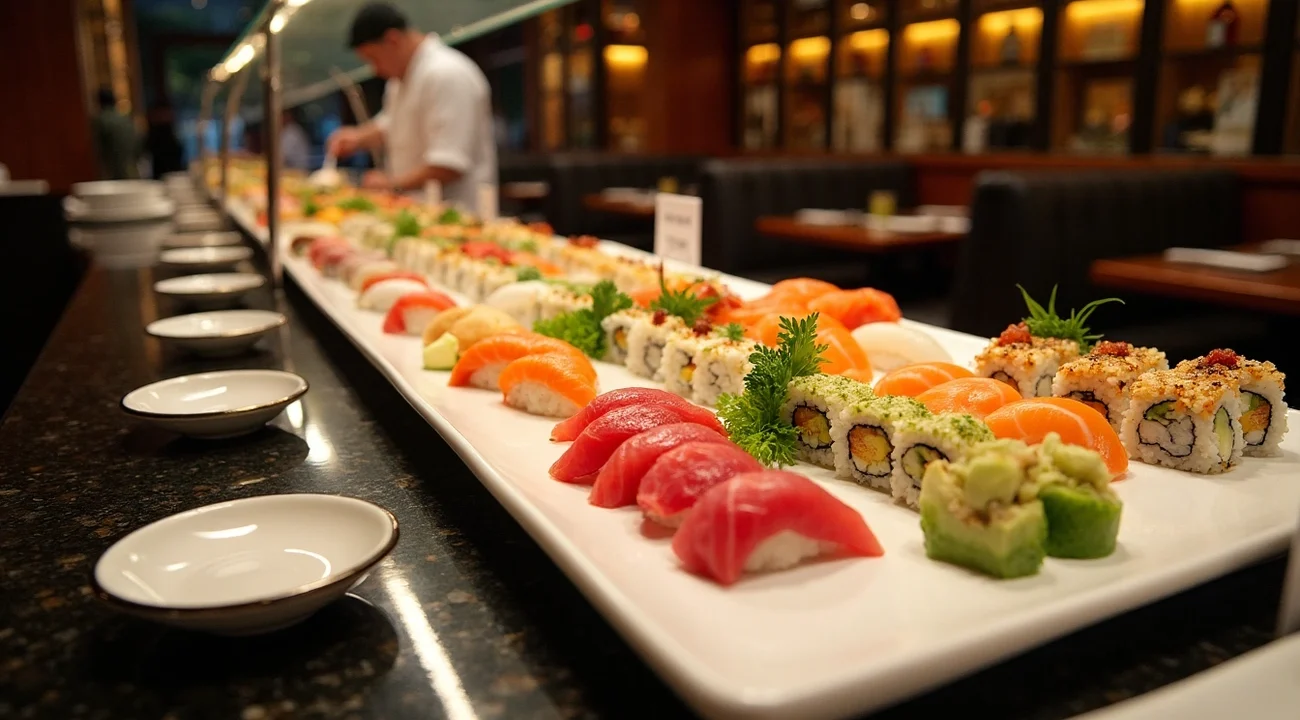
The roots of all-you-can-eat sushi trace back to Japan’s post-war economic boom, where nomihodai (all-you-can-drink) restaurants emerged as social hubs in the 1960s and 1970s. Initially designed for izakaya (Japanese pubs) and teppanyaki (iron plate) grills, these venues offered unlimited small plates of food paired with drink specials, catering to a workforce seeking casual, budget-friendly meals. Sushi’s adaptation into this model occurred later, as urbanization and fast-paced lifestyles demanded convenience without sacrificing the allure of fresh seafood. By the 1990s, nomihodai sushi chains like Genki Sushi and Kura Sushi capitalized on this demand, exporting the concept to Western markets where sushi had already gained popularity as a "trendy" cuisine.
Cultural Significance: From Ritual to Revelry
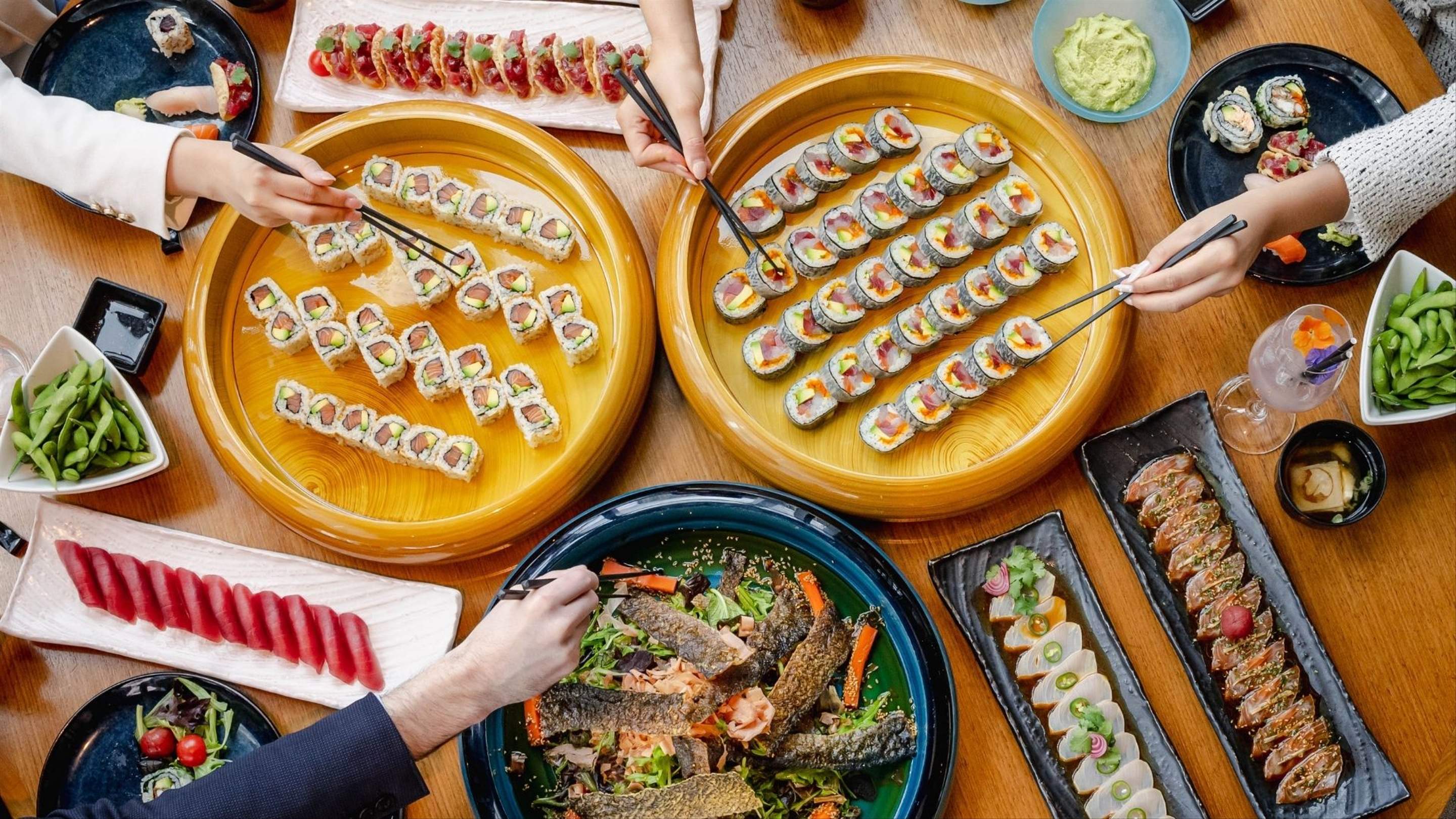
Traditional Japanese sushi, particularly edomae-zushi (Tokyo-style nigiri), embodies precision, seasonality, and ritual—where each piece reflects the chef’s (itamae) skill and the fish’s freshness. All-you-can-eat sushi, however, prioritizes quantity over craftsmanship, often featuring pre-cut, frozen, or mass-produced ingredients to meet demand. This shift underscores a cultural tension: while nomihodai sushi retains the omakase (chef’s choice) spirit in its abundance, it sacrifices the omotenashi (hospitality) ethos of handcrafted service.
The evolution also mirrors Japan’s broader dining landscape, where kaiten-zushi (conveyor-belt sushi) and gyukatsu (beef cutlet) chains democratized access to high-quality food. All-you-can-eat sushi fits this mold by offering perceived value—customers pay a flat fee for unlimited servings, reducing decision fatigue and encouraging communal dining. In Japan, such venues remain popular for celebrations (e.g., birthdays, corporate events) or as a novelty experience, whereas overseas, they cater to tourists and budget-conscious diners seeking a "Japanese experience" without the premium price.
Global Adaptation: Localization and Commercialization
The export of all-you-can-eat sushi to global markets involved significant localization. In the U.S. and Europe, chains like Genki Sushi and Sushi Stop (Australia) adapted menus to include non-traditional options—teriyaki chicken, tempura vegetables, or spicy tuna rolls—to appeal to Western palates. Pricing strategies also varied: in Japan, nomihodai sushi often costs ¥3,000–¥5,000 (~$20–$35) for two hours, while international branches may charge $15–$25 for a shorter duration, reflecting local cost-of-living differences.
The model’s success hinges on scalability and standardization. Unlike traditional sushi, where chefs train for decades to master sharpening knives or aging fish, all-you-can-eat sushi relies on assembly-line techniques: - Centralized preparation: Ingredients are pre-cut, marinated, or frozen to ensure consistency. - Rotating plates: Conveyor belts or timed intervals replace the chef’s handpicked presentation. - Portion control: Fixed-size pieces (e.g., 2–3 bites per roll) maximize volume without overwhelming diners.
This approach has sparked debates among purists. While some argue it dilutes sushi’s cultural heritage, others defend it as a necessary evolution—one that introduces millions to Japanese cuisine while preserving its essence through familiar flavors (e.g., soy sauce, wasabi, pickled ginger). The rise of fusion variants, such as California rolls or dragon rolls, further blurs the line between tradition and innovation.
Economic and Social Impact
All-you-can-eat sushi’s global proliferation reflects broader trends in the foodservice industry, particularly the rise of experience-based dining. Data from Euromonitor International (2023) highlights that buffet and all-you-can-eat restaurants grew 4.2% annually between 2018–2023, driven by: - Millennial and Gen Z consumers, who prioritize value, convenience, and Instagram-worthy meals. - Tourism, where cities like Las Vegas, Dubai, and Bangkok feature multi-story sushi buffets (e.g., Sushi Island in Singapore, with 150+ varieties). - Corporate catering, where unlimited sushi simplifies group dining logistics.
However, the model faces criticism for waste and sustainability. A 2022 study by Japan’s National Institute for Environmental Studies found that 30–40% of sushi served in all-you-can-eat venues is discarded due to overconsumption or spoilage. In response, some chains now offer smaller portion sizes, compostable packaging, or donation programs for uneaten food.
Culinary Hybridity: Tradition Meets Mass Production
The all-you-can-eat sushi phenomenon exemplifies culinary hybridity—where cultural symbols are reimagined for global audiences. While traditionalists argue that hand-pressed nigiri or aged fish (koshoku) cannot be replicated in a buffet setting, the model’s defenders point to its role in preserving sushi’s popularity during economic downturns (e.g., post-2008 recession) or health crises (e.g., COVID-19, when contactless dining surged).
A notable case is Japan’s kaiten-zushi revival, where chains like Sushiro introduced all-you-can-eat conveyor belts in the 2010s, combining the efficiency of kaiten with the indulgence of nomihodai. This hybrid approach now accounts for ~15% of Japan’s sushi market, proving that even in the birthplace of sushi, innovation often means repackaging tradition for modern tastes.
Future Trajectories: Sustainability and Technology
Emerging trends suggest all-you-can-eat sushi will continue evolving through: - Tech integration: Apps like Genki Sushi’s "Sushi Tracker" allow diners to monitor consumption, while AI-driven inventory systems reduce waste by predicting demand. - Sustainable sourcing: Chains in Europe and North America now prioritize MSC-certified fish or lab-grown seafood to address ethical concerns. - Themed experiences: Venues in Tokyo and Hong Kong offer VR-enhanced sushi tours or collaborations with artists (e.g., sushi art installations), merging gastronomy with entertainment.
The balance between authenticity and accessibility remains the defining challenge. As all-you-can-eat sushi expands into Middle Eastern markets (e.g., Dubai’s Sushi Roll Buffet) or Latin America (where Nikkei cuisine blends Japanese and Peruvian flavors), the model’s adaptability ensures its longevity—even as purists debate its place in the culinary canon.
The Evolution of Sushi: From Ancient Origins to All-You-Can-Eat Innovation
The journey of sushi from a preserved food technique in Southeast Asia to a global all-you-can-eat phenomenon reflects broader shifts in culinary culture, technological adaptation, and consumer behavior. While modern all-you-can-eat sushi—particularly conveyor-belt sushi (kaiten-zushi)—emerged as a 20th-century innovation, its roots trace back over a millennium of experimentation, preservation needs, and urbanization. The transformation of sushi into a casual, high-volume dining experience was not inevitable; it required specific historical milestones, from the invention of nigiri to the efficiency-driven rise of conveyor belts. Understanding these stages reveals how sushi evolved from a niche delicacy to a staple of fast-paced, accessible dining worldwide.
Ancient Preservation Techniques and the Birth of Narezushi
The earliest form of sushi originated in Southeast Asia around the 4th century CE, where fish were fermented in rice (narezushi) to preserve protein during hot climates. This method spread to Japan by the 8th century, where it became a staple for the aristocracy and monks. Unlike modern sushi, narezushi was a highly fermented, pungent dish—the rice was discarded after fermentation, leaving only the fish. The process required months, relying on salt, rice mold (koji), and time to break down proteins, making it a seasonal necessity rather than a fresh delicacy.
The shift toward fresh sushi began in Edo-period Japan (1603–1868), when urbanization in Tokyo (then Edo) created demand for quicker, less labor-intensive preparations. Fishermen in the Nihonbashi district began serving pressed sushi (haya-zushi), a semi-fermented variant, to laborers and merchants. This marked the first step toward edible rice sushi, though the texture remained firm and the flavor still influenced by fermentation.
The Edo Period Revolution: Hayazushi and the Rise of Nigiri
The 19th century witnessed sushi’s most critical transformation with the invention of hayazushi and later nigiri sushi. In 1820, a chef named Hanaya Yohei introduced nigiri sushi—a hand-pressed rice ball topped with fresh fish—as a portable, quick-to-eat snack. This innovation catered to Tokyo’s burgeoning working class, who sought affordable, on-the-go meals. Unlike traditional sushi, nigiri emphasized freshness, simplicity, and speed, laying the foundation for modern sushi culture.
The success of nigiri hinged on three factors: 1. Urban demand: Edo’s population explosion (over 1 million by 1800) created a market for fast food. 2. Fishery advancements: Improved ice production (via harbor-based icehouses) allowed fish to stay fresh longer. 3. Chef specialization: Sushi became a craft, with chefs like Edo’s "sushi masters" refining techniques to balance rice seasoning (shari) with fish quality.
By the Meiji Restoration (1868), sushi had transitioned from a preserved food to a fresh, artisanal dish, setting the stage for its later commercialization.
Post-War Japan and the Birth of Conveyor-Belt Sushi (Kaiten-Zushi)
The post-World War II era brought two pivotal changes that shaped all-you-can-eat sushi: economic constraints and technological innovation. Japan’s rapid industrialization and labor shortages in the 1950s led restaurateurs to seek efficient, high-volume dining solutions. Enter Kansai-based entrepreneur M Mr. Kiyoshi Itami, who in 1958 opened the first kaiten-zushi restaurant in Osaka. Inspired by American assembly-line principles and Japanese kura (warehouse) designs, Itami’s system featured: - A rotating belt with small plates of sushi. - Affordable pricing (¥100–¥200 per person, equivalent to ~$1–$2 today). - Self-service access, where diners picked sushi as it passed by.
The concept’s success stemmed from: - Democratizing sushi: Made it accessible to salarymen (office workers) and families. - Reducing labor costs: Waitstaff were replaced by the belt’s mechanical motion. - Encouraging consumption: The unlimited quantity model tapped into post-war Japan’s abundance mentality, contrasting with pre-war rationing.
Within a decade, kaiten-zushi spread nationwide, with over 3,000 outlets by 1970. The model’s efficiency and scalability made it ideal for high-turnover urban areas, paving the way for its global export.
Traditional Sushi vs. All-You-Can-Eat Sushi: A Comparative Design Analysis
The evolution of sushi dining has transformed from intimate, chef-driven experiences rooted in Japanese culinary tradition to the modern all-you-can-eat (AYCE) buffet model. While traditional sushi formats like omakase and teishoku emphasize artistry, seasonality, and cultural authenticity, AYCE sushi prioritizes accessibility, volume, and convenience. This comparison explores the structural differences in pricing, customization, and cultural context, revealing how each format caters to distinct consumer preferences and market demands.
The divergence between traditional and AYCE sushi extends beyond taste—it reflects shifts in dining culture, economic accessibility, and global culinary trends. Traditional sushi dining, particularly omakase (chef’s choice) and teishoku (set meals), is designed for experiential consumption, where the chef’s expertise and seasonal ingredients take precedence. In contrast, AYCE sushi operates on a volume-driven economy, where affordability and variety justify its mass appeal. Below is a structured comparison highlighting these distinctions.
Pricing Structures and Consumer Value
The financial framework of traditional sushi and AYCE sushi differs fundamentally, influencing consumer expectations and dining behavior.
Traditional sushi employs à la carte pricing, where each dish is individually priced based on: - Ingredient quality (e.g., premium fish like otoro or uni) - Chef’s skill level (high-end sushi-ya may charge $50–$200 per person for omakase) - Presentation and rarity (e.g., rare wasabi, truffle-infused rice) - Location prestige (Tokyo’s Tsukiji or Kyoto’s Gion districts command higher rates)
"In traditional sushi, the cost reflects not just the meal but the entire dining experience—ambiance, service, and the chef’s reputation." — Sushi Omakase: The Art of Eating (Kodansha International, 2018)
Conversely, AYCE sushi operates on a fixed-price model, typically ranging from $15–$50 per person depending on location and quality tier. The pricing strategy relies on: - Bulk ingredient purchasing (reducing per-unit costs) - Standardized preparation (limiting chef labor costs) - Upselling through premium add-ons (e.g., lobster rolls, truffle sushi) - High customer turnover (maximizing revenue per hour)
A 2022 study by NPD Group found that AYCE sushi restaurants in the U.S. achieve 30–40% higher profit margins than traditional sushi bars, attributable to lower overhead and higher volume sales. However, critics argue that perceived value diminishes when quantity overshadows quality, leading to sensory fatigue—a phenomenon where excessive consumption reduces enjoyment.
Customization and Dining Experience
The degree of personalization and control over the meal varies drastically between the two formats, shaping the diner’s engagement.
In traditional sushi, customization is limited yet deliberate, governed by: - Chef’s discretion (omakase diners relinquish choice to the chef) - Seasonal availability (e.g., fatty tuna in summer, sweet shrimp in winter) - Regional specialties (e.g., Hokkaido’s sea urchin, Osaka’s pressed sushi) - Dietary restrictions (vegetarian nigiri, gluten-free soy sauce)
"Omakase is not about choice—it is about trust. The chef selects what is freshest and most worthy of your palate." — Jiro Dreams of Sushi (David Gelb, 2011)
The teishoku (set meal) model offers slightly more flexibility, allowing diners to mix and match from a predefined menu (e.g., 10 pieces of nigiri + 3 maki rolls). However, deviations from the set menu often incur additional costs.
In AYCE sushi, customization is both abundant and superficial: - Unlimited variety (dozens of rolls, tempura, and sides) - Build-your-own options (e.g., "Create Your Roll" stations) - Dietary accommodations (vegan, gluten-free, or spicy alternatives) - Portion control challenges (encouraging overconsumption)
A 2023 survey by YouGov revealed that 68% of AYCE sushi diners reported feeling less satisfied with their meal compared to traditional sushi, citing repetitive flavors and lack of chef curation. Meanwhile, 32% of traditional sushi patrons valued the surprise element of omakase over personal choice.
Cultural Context and Market Adaptation
The cultural underpinnings of sushi dining highlight how AYCE sushi adapts (or dilutes) traditional practices to suit global markets.
Traditional sushi is deeply tied to Japanese culinary philosophy, including: - Wabi-sabi aesthetics (imperfect beauty in presentation) - Harmony with nature (seasonal ingredients, minimal waste) - Ritualistic dining (eating nigiri in one bite, proper chopstick use) - Chef-diner relationship (respect for the artisan’s craft)
AYCE sushi, while inspired by Japanese techniques, prioritizes Westernized convenience: - Speed of service (minimizing wait times for high turnover) - Portability (designed for quick consumption, often eaten standing) - Decorative over substance (vibrant colors, novelty toppings like kimchi or mango) - Social dining emphasis (family-style sharing over intimate chef interactions)
"The all-you-can-eat model democratizes sushi but risks eroding its cultural integrity. What was once a meditative experience becomes a race against time." — The Sushi Economy (Harvard Business Review, 2021)
Culturally, AYCE sushi thrives in markets where: - Time is a premium (urban professionals, families with children) - Affordability is prioritized (budget-conscious consumers) - Novelty drives engagement (social media-friendly presentations)
However, purists argue that the loss of craftsmanship in AYCE sushi reflects a broader trend in fast-casualization of global cuisine, where authenticity is secondary to accessibility.
Table: Traditional Sushi vs. All-You-Can-Eat Sushi
| Aspect | Traditional Sushi (Omakase/Teishoku) | All-You-Can-Eat Sushi |
|---|---|---|
| Pricing Model |
|
|
| Customization |
|
|
| Cultural Significance |
Consumer Perception and the Psychology of AYCE SushiThe AYCE model taps into psychological triggers that influence consumer behavior, particularly the perceived value of abundance. Research from the Journal of Consumer Psychology highlights that unlimited options create a sense of control and excitement, while the social aspect of sharing plates enhances the dining experience. Additionally, the affordability factor—where AYCE sushi often costs $15–$30 per person—makes it an attractive option for families, groups, and budget-conscious diners. However, this model also faces scrutiny over portion control and dietary concerns. Critics argue that AYCE sushi can encourage overconsumption, given the temptation to indulge without restraint. To counter this, some chains now offer healthier alternatives, such as:"All-you-can-eat sushi is a masterclass in accessibility—it takes the artistry of traditional sushi and makes it available to everyone, without sacrificing quality. The key is innovation: using technology to maintain freshness, creativity to keep flavors exciting, and a deep respect for the craft. It’s not about diluting tradition; it’s about expanding its reach." — Masashi Kobayashi, Executive Chef at Genki Sushi Global HQ Case Study: How Sushi Roll Revolutionized AYCE Sushi in the U.S.The Sushi Roll chain, founded in 2002, exemplifies how AYCE sushi can dominate markets through data-driven expansion and regional customization. By analyzing local tastes, Sushi Roll introduced:Sustainability and Ethical Sourcing in AYCE Sushi OperationsSustainability has become a non-negotiable aspect of modern AYCE sushi operations, driven by consumer demand for transparency and ethical practices. Leading chains now prioritize:Technology Integration in All-You-Can-Eat Sushi: Redefining Convenience and PersonalizationThe all-you-can-eat sushi model has evolved beyond traditional dining norms, leveraging cutting-edge technology to enhance efficiency, personalization, and overall customer satisfaction. From streamlining operations to offering hyper-targeted recommendations, digital innovations have become integral to modern sushi buffets. These advancements address key consumer pain points—such as wait times, dietary restrictions, and decision fatigue—while creating immersive, data-driven experiences that align with the expectations of tech-savvy diners. Technology in this sector is not merely a supplementary tool but a transformative force reshaping how customers interact with sushi buffets. By integrating mobile applications, AI-driven analytics, and real-time digital menus, operators can optimize resource allocation, reduce waste, and deliver tailored experiences that foster loyalty. The fusion of culinary tradition with digital innovation exemplifies how technology bridges the gap between accessibility and authenticity in fine dining.Mobile Applications and Digital Ordering SystemsMobile apps have become a cornerstone of the all-you-can-eat sushi experience, offering seamless navigation and personalized control over dining choices. Platforms like Uber Eats’ "All-You-Can-Eat" partnerships and custom-developed apps by chains such as Sushi Lab allow users to pre-order seats, customize dietary preferences (e.g., vegan, gluten-free, or allergy-specific options), and even skip the line via virtual queues. These apps often include real-time occupancy tracking, enabling diners to select optimal visiting times based on crowd levels, thereby reducing perceived wait times. Beyond reservations, mobile apps incorporate dynamic pricing models for peak hours, incentivizing off-peak visits through discounts or bonus items. For instance, Sushi Itto in Japan uses an app where users earn points for visiting during slower periods, redeemable for premium sushi grades. Additionally, digital loyalty programs integrated into these apps reward repeat visits with exclusive perks, such as early access or complimentary desserts. The adoption of QR code-based check-ins further expedites entry, eliminating physical ticketing systems and reducing human error in tracking consumption limits.AI-Powered Recommendations and Personalized Dining ExperiencesArtificial intelligence plays a pivotal role in curating individualized sushi experiences by analyzing consumer behavior and preferences. AI algorithms, trained on vast datasets from past orders and customer feedback, generate real-time recommendations tailored to dietary needs, cultural tastes, or even mood-based suggestions. For example, Sushi Cloud’s AI-driven platform in South Korea suggests sushi pairings based on a diner’s historical choices, seasonal availability, and nutritional goals. The system can also flag potential allergens or suggest alternatives if a customer’s usual favorites are unavailable. Beyond individual preferences, AI enhances operational efficiency by predicting demand patterns. Chains like Genki Sushi use machine learning to forecast peak hours and adjust staffing or ingredient orders accordingly, minimizing waste while ensuring freshness. Some advanced systems, such as those deployed by Wasabi in the UK, employ computer vision to monitor plate clearance rates, dynamically updating menu displays to highlight slower-moving items. This not only optimizes inventory but also encourages customers to explore a wider variety of sushi options.Interactive Digital Menus and Augmented Reality EnhancementsStatic printed menus are being replaced by interactive digital displays that offer multimedia-rich descriptions, chef’s notes, and even short videos demonstrating how sushi is prepared. Chains like Kura Sushi in Australia utilize touchscreen tableside menus, where diners can rotate 360-degree images of sushi rolls, read about ingredient sourcing, or watch live cooking demonstrations. This immersive approach educates customers about traditional techniques while aligning with modern expectations for transparency and engagement. Augmented reality (AR) is another frontier in this space, with some restaurants offering AR-enhanced dining experiences. For instance, Sushi Zone’s AR app allows users to scan their table to unlock virtual sushi-making tutorials or gamified challenges, such as identifying rare fish species. While still in nascent stages, AR integration holds potential for creating themed dining events, where customers might "unlock" exclusive sushi recipes or participate in virtual cooking competitions. These innovations not only differentiate brands but also deepen emotional connections with the dining experience.Data Analytics and Operational OptimizationThe backbone of technology’s impact on all-you-can-eat sushi lies in data analytics, which enables operators to refine service delivery and reduce overhead costs. By analyzing customer journey data—from app interactions to in-restaurant behavior—chains can identify bottlenecks, such as slow service at the nigiri bar, and implement targeted improvements. For example, Sushi Roll in the U.S. uses heatmap analytics to optimize the layout of buffet stations, ensuring high-demand items are placed near high-traffic areas while maintaining a logical flow. Predictive analytics also extends to supply chain management, where AI forecasts ingredient demand based on historical trends, weather patterns (e.g., seasonal fish availability), and even social media buzz. Miso Robotics, known for its automated sushi-making arms, integrates with these systems to ensure just-in-time production, reducing food waste while maintaining freshness. Additionally, blockchain technology is being explored for traceability, allowing customers to scan QR codes on their plates to view the farm-to-table journey of ingredients—a feature increasingly valued by health-conscious and eco-aware consumers.Voice-Activated and Contactless Dining InnovationsThe rise of voice-activated assistants and contactless dining further underscores technology’s role in enhancing convenience. Restaurants like Sushi Express in Singapore have piloted voice-ordering systems, where diners can place requests via smart speakers or mobile assistants, reducing reliance on physical staff for basic inquiries. Meanwhile, contactless payment and biometric authentication—such as facial recognition for quick check-ins—have become standard in high-tech sushi buffets, particularly in post-pandemic markets. For accessibility, screen readers and AI-powered translation tools ensure that digital menus cater to visually impaired or non-native speakers. For example, Sushi Gen in Japan offers real-time audio descriptions of menu items when scanned, while Google Lens integration allows users to translate foreign characters on menus instantly. These adaptations reflect a broader trend toward inclusive design, ensuring that technological enhancements do not alienate any segment of the customer base."Technology in all-you-can-eat sushi is not about replacing tradition but amplifying it—turning every visit into a seamless, personalized, and engaging experience." All-you-can-eat sushi stands as a testament to how food can transcend its origins, adapting to meet the needs of diverse societies while preserving fragments of its heritage. It offers more than just quantity—it delivers an experience that balances tradition with innovation, accessibility with authenticity. As technology and consumer tastes continue to evolve, this dining model will likely persist, reshaping itself to remain relevant. What began as a practical solution has become a global phenomenon, proving that even the most refined cuisines can find new life in the hands of those willing to experiment—and eat. |
Leave a Comment
Comments are moderated before appearing. The data you submit is processed according to the Privacy Policy of Vetlife Archive.