MarkTwainHouseHartfordCT A Literary Landmark Steeped in History
Table of Contents
- The Historical Significance of Mark Twain’s Hartford House and Its Role in American Literature
- Twain’s Hartford Timeline: Key Events Tied to the House
- Architectural Features of the Mark Twain House and Their Connection to His Personality
- Comparative Analysis: Mark Twain’s Hartford House and Other Literary Homes
- Mark Twain’s Literary Legacy and Hartford Connections
- Hartford’s Influence on Tom Sawyer and Huckleberry Finn
- Twain’s Writing Process in Hartford
- Collaborations with Hartford’s Literary Circle
- Major Works Written or Published During Hartford Residency
- Public Speaking and Hartford’s Intellectual Scene
- Financial Ventures and Their Impact on Twain’s Life
- The Mark Twain House & Museum: Exhibits and Visitor Experience
- Visitor Journey from Arrival to Departure
- Popular Exhibits and Interactive Displays
- Multimedia and Technological Enhancements
- Restored Rooms and Their Historical Presentation
- Educational Programs and Special Events
- Hartford’s Literary and Cultural Landscape: Twain’s Influence Beyond the House
- Hartford’s Literary Scene During Twain’s Residency and Its Lasting Impact
- Notable Writers, Artists, and Thinkers in Twain’s Hartford
- Twain’s Civic and Social Engagements in Hartford
- Comparison: Hartford’s Literary and Cultural Scene in Twain’s Era vs. Today
- Architectural and Historical Restoration: Preserving Twain’s Hartford Home
- Acquisition and Early Preservation Efforts
- Key Restoration Milestones and Funding Sources
- Role of Architectural Historians in Reconstruction
- Rare Artifacts and Their Significance
- Mark Twain’s Hartford in Popular Culture and Media
- Films, Documentaries, and Television Depictions of Twain’s Hartford
- Books, Documentaries, and Academic Studies Focused on Twain’s Hartford Years
- Cultural Significance of the Mark Twain House in Media Quotes
- Social Media and Viral Trends Shaping Public Perceptions
- Digital Marketing and Global Audience Engagement
- Famous Visitors and Their Reactions to the Mark Twain House
Nestled along Hartford’s quiet streets, the Mark Twain House stands as a tangible link to America’s most iconic satirist, where laughter and literature once intertwined. Built in 1874, this Victorian gem became the creative sanctuary for Samuel Clemens during his most prolific years, shaping classics like Huckleberry Finn and Tom Sawyer within its walls. Beyond its literary legacy, the house reflects Twain’s complex personality—a man whose sharp wit masked deep reflections on race, identity, and the soul of a nation.
The house’s transformation from a private residence to a National Historic Landmark tells a story of preservation, cultural pride, and the enduring power of storytelling. Today, visitors step into a meticulously restored 19th-century world, where Twain’s study still holds the ghost of his typewriter, and the parlor echoes with debates that once captivated Hartford’s elite. Yet, the site is more than a museum; it is a living dialogue between past and present, challenging modern audiences to confront Twain’s contradictions and celebrate his unparalleled influence on American culture.

The Historical Significance of Mark Twain’s Hartford House and Its Role in American Literature
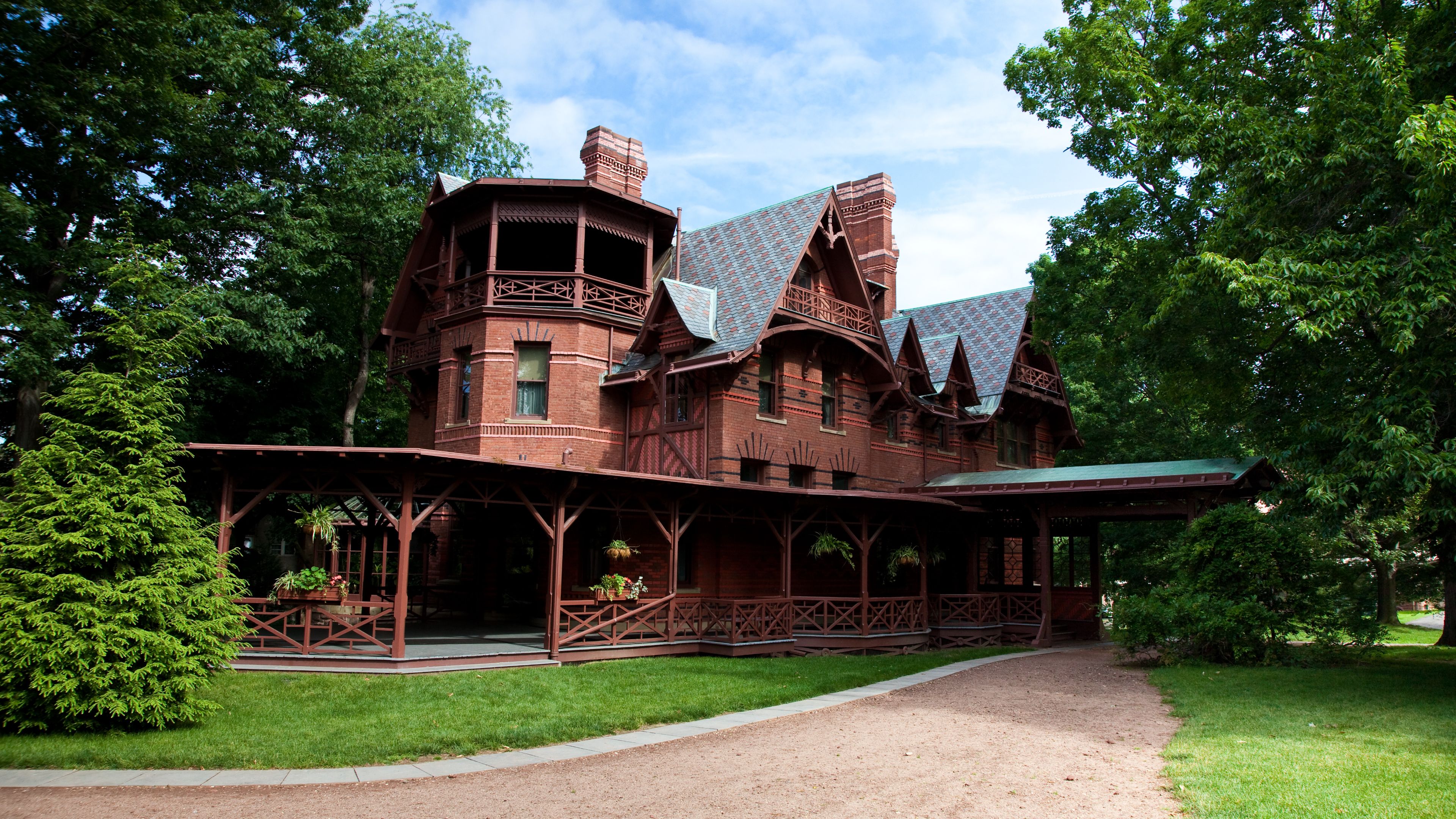
Mark Twain’s Hartford home stands as more than just a preserved historical site—it is a testament to the intersection of American literary genius, domestic life, and cultural identity in the late 19th century. Acquired in 1874, the property became the creative nucleus for Samuel Clemens, the pen name of Mark Twain, during his most prolific years. Hartford, Connecticut, offered the stability, inspiration, and urban sophistication Twain needed to craft works like The Adventures of Tom Sawyer (1876) and Adventures of Huckleberry Finn (1885), novels that redefined American literature. The house, with its distinctive Gothic Revival architecture and later modifications, mirrors Twain’s evolving personality, his satirical wit, and his deep connection to the American landscape. Its preservation as a National Historic Landmark underscores its enduring importance as a symbol of 19th-century intellectual life and domestic culture.
The significance of Hartford in Twain’s life cannot be overstated. After years of travel and financial instability, Twain sought a permanent residence that would provide both comfort and creative space. Hartford, with its growing literary community and proximity to publishing hubs like New York, became an ideal retreat. The city’s intellectual atmosphere, coupled with the tranquility of its suburban setting, allowed Twain to balance his public persona with private introspection. His decision to settle in Hartford marked a pivotal shift from the transient life of a wandering writer to that of a settled family man, whose domestic surroundings directly influenced his literary output.
Twain’s Hartford Timeline: Key Events Tied to the House
The Mark Twain House in Hartford served as the backdrop for some of the most transformative periods in Twain’s life, both personally and professionally. A chronological overview reveals how the property evolved alongside his career and family dynamics.
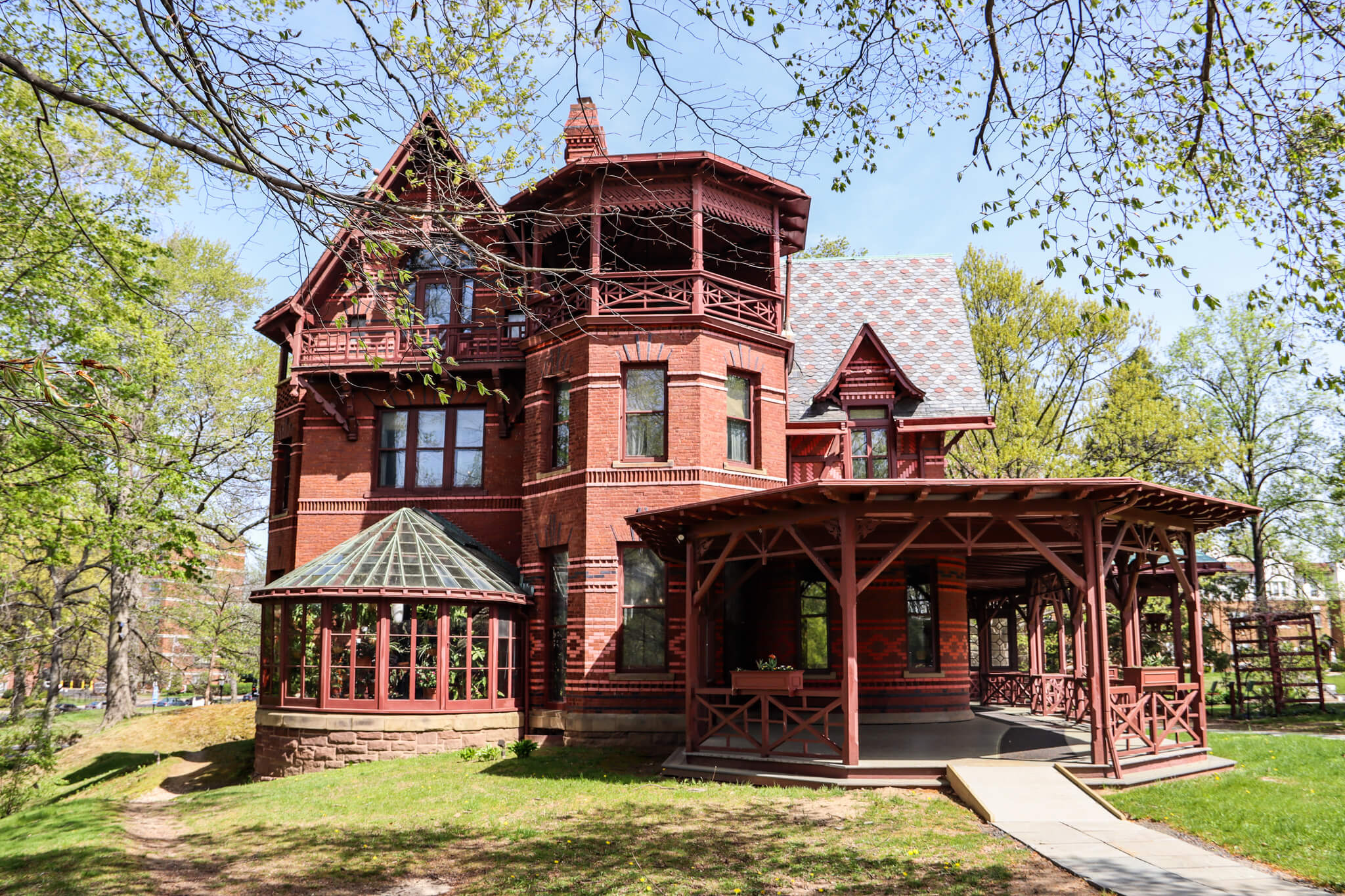
The house, originally built in 1874, was designed by Edward Tuckerman Potter, a prominent Hartford architect known for his Gothic Revival style. Twain and his wife, Olivia Langdon Clemens, purchased the property at 351 Farmington Avenue for $10,000, a substantial sum at the time. The initial design featured a steeply pitched roof, ornate woodwork, and a symmetrical facade, reflecting the Victorian-era aesthetic popular among Hartford’s elite. However, the house underwent significant modifications to suit Twain’s expanding family and creative needs.
Key milestones in the house’s history include: - 1874: Purchase and initial occupancy. Twain began renovations almost immediately, adding a study on the third floor—a space he dubbed the "library"—where he penned much of his most celebrated work. - 1876: Publication of The Adventures of Tom Sawyer, written in part at the Hartford house. The novel’s success solidified Twain’s reputation as America’s premier literary voice. - 1885: Completion of Adventures of Huckleberry Finn, considered one of the greatest novels in American literature. The house’s study became the primary workspace for this magnum opus. - 1890s: Financial struggles led Twain to take on lecture tours and invest in speculative ventures, including the failed Paige Compositor, a typesetting machine. The house’s grandeur began to reflect both his wealth and his eventual financial setbacks. - 1909: Twain’s death at the age of 74. His wife, Olivia, lived in the house until her death in 1904, and their daughter, Susy, died there in 1896, events that deeply affected Twain’s later writings, including The Man That Corrupted Hadleyburg (1899).
The house’s architectural evolution mirrored Twain’s life stages. Early additions included a conservatory and a billiards room, catering to his social habits and love of leisure. Later modifications, such as the addition of a third-floor library, were driven by his need for a dedicated writing space. The house’s interior design—complete with stained glass, intricate wood carvings, and a grand staircase—reflected Twain’s penchant for theatricality and his desire to impress visitors, including literary peers like William Dean Howells and Henry James.
Architectural Features of the Mark Twain House and Their Connection to His Personality
The Mark Twain House is a masterpiece of Gothic Revival architecture, a style that Twain embraced for its dramatic flair and historical resonance. Designed by Edward Tuckerman Potter, the original structure (1874) featured a steeply pitched roof, pointed arches, and elaborate woodwork, all hallmarks of the Victorian era’s fascination with medieval aesthetics. However, Twain’s personal touch transformed the house into a reflection of his wit, ambition, and domestic life.
One of the most striking features is the third-floor library, a space Twain meticulously designed as his private sanctuary. The room, with its towering bookshelves and large skylight, was intended to inspire creativity and solitude. Twain’s study setup included a massive oak desk, a leather armchair, and a globe, tools essential to his writing process. The library’s layout—with its central skylight allowing natural light to flood the room—mirrored Twain’s belief in the importance of observation and detail in storytelling.
The house’s interior decor also reveals Twain’s eclectic tastes. He adorned the walls with oil paintings, including works by his friend, the artist William Merritt Chase, and collected artifacts from his travels, such as Egyptian hieroglyphics and Native American artifacts. The grand staircase, with its intricate wood carvings and stained glass, served as a focal point for entertaining guests, reflecting Twain’s love of hosting literary salons. Even the conservatory, added in the 1880s, was a space where Twain could retreat to write or enjoy the tranquility of his garden, a theme he often explored in his works.
Twain’s modifications to the house extended beyond aesthetics. He installed hidden compartments and secret passages, a nod to his fascination with mystery and intrigue—themes he wove into novels like The Mysterious Stranger (posthumously published in 1916). The house’s basement, originally used for storage, was later repurposed as a billiards room, a space where Twain entertained friends and business associates. These architectural choices were not merely practical but symbolic, reinforcing Twain’s identity as a man of contradictions: a humorist with a serious side, a family man with a roguish past, and a writer deeply connected to the American experience.
Comparative Analysis: Mark Twain’s Hartford House and Other Literary Homes
Mark Twain’s Hartford residence is part of a broader tradition of literary homes preserved as cultural landmarks. A comparative analysis reveals how these sites reflect the lives and works of their famous inhabitants, each offering unique insights into the literary movements of their eras.
The following table contrasts the Mark Twain House with three other iconic literary homes, highlighting their locations, historical eras, significance, and architectural styles:
| Literary Home | Location | Era | Significance | Architectural Style |
|---|---|---|---|---|
| Mark Twain House | Hartford, Connecticut | Late 19th century | Twain’s creative hub; site of Tom Sawyer and Huckleberry Finn; National Historic Landmark. | Gothic Revival with Victorian modifications. |
| Emily Dickinson’s Homestead | Amherst, Massachusetts | Mid-19th century | Dickinson’s lifelong home; preserved as a museum; reflects her reclusive life and poetic genius. | Federal-style with Gothic Revival influences. |
| Edgar Allan Poe’s Philadelphia Home | Philadelphia, Pennsylvania | Early 19th century | Poe’s residence during his marriage to Virginia Clemm; site of early literary works. | Federal-style row house with minimal modifications. |
| Washington Irving’s Sunnyside | Tarrytown, New York | Early-to-mid 19th century | Irving’s estate; inspired The Legend of Sleepy Hollow; National Historic Landmark. | Federal-style with Dutch colonial influences. |
Each of these homes offers a window into the domestic and creative lives of their literary inhabitants. The Mark Twain House, with its grandeur and Gothic Revival design, stands in stark contrast to Emily Dickinson’s Homestead, a modest Federal-style home that mirrored her introspective nature. Dickinson’s home, with its white clapboard exterior and minimal ornamentation, reflects her preference for privacy and simplicity, themes central to her poetry. In contrast, Twain’s house, with its elaborate woodwork and expansive library, embodies his extroverted personality and his role as a public figure.
Edgar Allan Poe’s Philadelphia home, a modest Federal-style row house, offers a glimpse into the early years of his career, including his marriage to his cousin Virginia and the composition of works like The Raven (1845). The house’s simplicity underscores the financial struggles Poe faced, a theme that permeates his darker, more melancholic writings
Mark Twain’s Literary Legacy and Hartford Connections
Mark Twain’s Hartford years (1874–1891) were not merely a chapter in his life but a crucible where his most enduring literary works were forged. The city’s unique blend of intellectual vitality, social dynamics, and physical landscapes deeply embedded in his writing, transforming Hartford into an inseparable muse. Twain’s interactions with the city—its rivers, neighborhoods, and literary circles—shaped the humor, satire, and humanity that define his legacy. Hartford became more than a residence; it was the backdrop for his revolutionary storytelling techniques and a hub where his ideas evolved in dialogue with contemporaries.
The Connecticut capital’s influence permeated Twain’s works, particularly The Adventures of Tom Sawyer (1876) and Adventures of Huckleberry Finn (1885), which drew heavily from local geography, culture, and social tensions. His writing process in Hartford reflected a disciplined yet experimental approach, blending solitude with collaboration. The city’s literary scene fostered alliances that amplified his voice, while its economic and political climate tested his resilience. Hartford’s role as a gathering place for reformers and intellectuals further cemented Twain’s reputation as a public figure whose words carried weight beyond fiction.
Hartford’s Influence on Tom Sawyer and Huckleberry Finn
Twain’s Hartford was a living character in his novels, with the Connecticut River and its banks serving as the Mississippi’s stand-in. The town’s topography—its hills, caves, and riverbends—mirrored the landscapes of St. Petersburg, Missouri, where Tom Sawyer and Huckleberry Finn were set. Mark Twain’s House, located at 351 Farmington Avenue, overlooked the Asylum Hill neighborhood, which inspired the fictional "St. Petersburg." The river’s ebb and flow, the local dialect, and even the city’s racial tensions (such as the 1874 Hartford race riot) seeped into his narratives.
For instance, the Hill House (a Hartford landmark) allegedly influenced the setting of Tom Sawyer’s haunted graveyard scenes, while the Hartford Public Library (then a new institution) symbolized the intellectual curiosity of characters like Tom. Twain’s use of local slang—such as "younger brother" for "younger sister" (a Hartfordism)—added authenticity to his dialogue.
"The difference between the almost right word and the right word is really a large matter—it's the difference between the lightning bug and the lightning."
This precision in language, honed in Hartford, elevated his works from regional tales to universal literature.
Twain’s Writing Process in Hartford
Twain’s Hartford home was his primary writing sanctuary, where he composed in a study overlooking the city. His routine was methodical yet adaptable: he wrote in the mornings, dictated to a stenographer in the afternoons, and often revised late into the night. The wooden fence in his backyard, later immortalized in Tom Sawyer, became a metaphor for the boundaries between imagination and reality—a theme central to his works.
His collaborative approach was equally notable. Twain worked closely with Elisha Bliss, his editor at The Hartford Daily Times, and Charles Webster, a fellow writer and friend. Webster’s influence is evident in The Prince and the Pauper (1881), which Twain began drafting in Hartford. The city’s printing presses and literary salons provided a testing ground for his ideas, allowing him to refine his satire before publication.
A handwritten manuscript fragment of Huckleberry Finn (now housed at the Mark Twain House & Museum) reveals his meticulous process—crossing out phrases, experimenting with dialogue, and layering social commentary. His Hartford years marked a shift from humorous sketches to complex narratives, as he grappled with themes of freedom, morality, and American identity.
Collaborations with Hartford’s Literary Circle
Hartford’s intellectual milieu was a breeding ground for Twain’s creative partnerships. His friendship with William Dean Howells, a prominent realist writer and editor of the Atlantic Monthly, bridged Twain’s humor with the emerging literary realism movement. Howells introduced Twain to Henry James and Brander Matthews, fostering a dialogue that shaped American literature’s direction.
Twain also collaborated with local journalists like David Gray, who contributed to his lecture tours. Their exchanges often appeared in Hartford newspapers, amplifying Twain’s reach. The city’s Bohemian Club (a gathering of artists and writers) provided a platform for Twain to debate ideas with figures like Oliver Wendell Holmes Sr. and John Greenleaf Whittier, though his sharp wit occasionally clashed with their more conservative views.
His public readings—such as the 1880 lecture at Hartford’s Trinity College—were meticulously crafted, blending humor with social critique. These engagements solidified his reputation as a public intellectual, not just a storyteller.
Major Works Written or Published During Hartford Residency
Twain’s Hartford years produced some of his most iconic works. Below is a table summarizing his major publications during this period, highlighting their Hartford connections and literary impact.
| Title | Publication Year | Hartford-Related Themes | Relevance to American Literature |
|---|---|---|---|
| The Adventures of Tom Sawyer | 1876 | Inspired by Asylum Hill, the Connecticut River, and local slang; "whitewashing the fence" scene based on Twain’s backyard. | Redefined children’s literature with its coming-of-age narrative and moral ambiguity. |
| The Prince and the Pauper | 1881 | Explores class disparity, a theme influenced by Hartford’s industrial divide. | Critiqued social hierarchy, foreshadowing progressive-era reforms. |
| Life on the Mississippi | 1883 | Draws parallels between the Mississippi and Connecticut rivers; reflects on regional identity. | Established Twain as a chronicler of American landscapes and history. |
| Adventures of Huckleberry Finn | 1885 | Hartford’s racial tensions (e.g., the 1874 riot) influenced Jim’s character and themes of freedom. | Often called the "Great American Novel," it remains a cornerstone of anti-racist literature. |
| A Connecticut Yankee in King Arthur’s Court | 1889 | Satirizes Hartford’s Puritan roots through the lens of medieval England. | Blends fantasy with social commentary, anticipating modern sci-fi satire. |
| The Man That Corrupted Hadleyburg | 1900 (conceived in Hartford) | Critiques small-town morality, a Hartford staple. | Showcases Twain’s late-career mastery of dark humor and cynicism. |
Public Speaking and Hartford’s Intellectual Scene
Twain’s Hartford lectures were not mere performances but cultural events. His 1872 speech at Hartford’s Cheney Hall (on "The United States of America") drew crowds eager to hear his blend of wit and social observation. Later, his debates with abolitionists and temperance reformers revealed his evolving views on race and morality, often sparking controversy.
His 1880 lecture tour, organized with Hartford’s Press Club, took him across New England, where he discussed Huckleberry Finn’s themes of racial reconciliation. These engagements cemented his role as a moral compass for his era, though his humor often softened his critiques.
Financial Ventures and Their Impact on Twain’s Life
Twain’s Hartford years were marked by financial ambition and ruin. His investment in the Hartford Daily Times (1874) was a disaster; the paper folded within months, leaving him with debt. This failure mirrored his broader business misfortunes, from the Pa
The Mark Twain House & Museum: Exhibits and Visitor Experience
The Mark Twain House & Museum in Hartford, Connecticut, offers an immersive journey into the life and times of one of America’s most celebrated writers. Beyond its historical significance, the museum provides a meticulously curated experience that blends preservation, education, and interactive engagement. Visitors step into a world where Twain’s wit, creativity, and family life unfold through restored rooms, rare artifacts, and cutting-edge multimedia storytelling. The experience is designed to cater to diverse audiences—from literature enthusiasts to schoolchildren—while maintaining a deep respect for historical authenticity.
Visitor Journey from Arrival to Departure
The visitor experience begins at the Welcome Center, where an orientation film sets the stage for Twain’s life and legacy. Guests receive a timed-entry ticket and an audio guide (or a digital app) that narrates their journey through the house. The tour follows a chronological and thematic path, starting with Twain’s early years in Hartford and culminating in his later career and global fame.
Upon entering the historic house, visitors pass through the front parlor, where Twain’s wit and social charm are introduced through period furnishings and reproductions of his famous dinner parties. The self-guided audio tour (available in multiple languages) provides insights into Twain’s daily routines, family dynamics, and literary process. Key stops include: - Twain’s Study: A restored space where he wrote The Adventures of Tom Sawyer and Huckleberry Finn, featuring his original desk, typewriter, and manuscripts. - The Library: A treasure trove of rare books, including first editions of Twain’s works and personal collections that inspired his writing. - The Parlor and Dining Room: Rooms that reflect the grandeur of the Gilded Age, with artifacts highlighting Twain’s humor and his role as a public figure. - The Children’s Room: A glimpse into the upbringing of Twain’s daughters, Susy, Clara, and Jean, with personal letters and toys.
The tour concludes in the Museum Gallery, where rotating exhibits and interactive displays deepen visitors’ understanding of Twain’s cultural impact. Guests can explore hands-on activities, such as writing prompts inspired by Twain’s style or a replica of his steamboat cabin from Life on the Mississippi. The exit area offers gift shops featuring books, souvenirs, and educational materials, along with a feedback station for visitors to share their experiences.
Popular Exhibits and Interactive Displays
The Mark Twain House & Museum features a mix of permanent and rotating exhibits, each designed to engage visitors through storytelling, artifacts, and technology. Below is a structured overview of key displays:
| Exhibit Name | Description | Historical Artifacts Featured | Visitor Engagement Methods |
|---|---|---|---|
| Twain’s Study and Writing Life | Explores Twain’s creative process, featuring his desk, typewriter, and handwritten manuscripts of The Adventures of Huckleberry Finn. | Original typewriter, handwritten drafts, personal notebooks, and letters to editors. | Interactive touchscreens allowing visitors to "edit" Twain’s manuscripts, audio recordings of his voice, and a writing workshop for adults. |
| The Global Twain (Rotating Exhibit) | Highlights Twain’s international travels and his influence on world literature, often featuring collaborations with other cultures. | First editions of translated works, travel journals, and artifacts from his European and Middle Eastern expeditions. | Multimedia kiosks with global news clippings about Twain, interactive maps of his journeys, and a "passport" activity for families. |
| Twain’s Family Life | Showcases the personal side of Twain through letters, photographs, and memorabilia related to his wife Olivia and daughters. | Family portraits, Susy’s diary, Clara’s school papers, and Olivia’s recipe books. | Storytelling stations where visitors can listen to family anecdotes, a "day in the life" simulation of Twain’s household, and a memory-sharing wall. |
| Mark Twain and the Press | Examines Twain’s relationship with journalism, satire, and public opinion in the 19th century. | Original newspaper clippings, his press pass, and satirical sketches. | An interactive "newspaper editor" game where visitors craft headlines in Twain’s satirical style and a display of political cartoons from his era. |
| Seasonal Exhibits: "Twain’s Holiday Traditions" | Temporary displays that explore how Twain and his family celebrated holidays, often tied to themes of humor and nostalgia. | Original Christmas cards, handwritten holiday letters, and reproductions of family gatherings. | Holiday-themed writing prompts, a "decorate Twain’s tree" activity for children, and live demonstrations of Victorian-era games. |
One of the museum’s standout features is its interactive "Twain’s Typewriter" exhibit, where visitors can type their own stories in a replica of Twain’s machine, with their work printed on vintage-style paper. Another highlight is the "Satire and Society" display, which uses Twain’s sharp critiques of politics and race to spark contemporary discussions about humor and social justice.
Multimedia and Technological Enhancements
The museum leverages multimedia tools to create a dynamic and accessible experience. The audio guide, available in English, Spanish, French, and Mandarin, includes: - Narration by actors who voice Twain, Olivia, and their daughters, bringing the house to life. - Original sound recordings of Twain’s voice (from early 20th-century wax cylinders) and ambient sounds of 19th-century Hartford. - QR codes throughout the house that link to extended interviews with historians and rare video footage of Twain’s descendants discussing family memories.
For deeper engagement, the museum offers: - Virtual Reality Experiences: Seasonal VR modules, such as a simulated journey on Twain’s steamboat or a recreation of his lecture tours, transport visitors into his world. - Documentary Screenings: The Museum Gallery hosts short films, like "Mark Twain: The Man Who Invented America", which provide context for his cultural impact. - Digital Storytelling: Tablets in the library allow visitors to explore annotated versions of Twain’s manuscripts, comparing drafts to final publications.
These technologies ensure that the experience is immersive for all ages, from tech-savvy adults to young children who may struggle with traditional text-heavy exhibits.
Restored Rooms and Their Historical Presentation
The physical restoration of the Mark Twain House is a cornerstone of the visitor experience. Each room is preserved with period-accurate furnishings, decor, and even wallpaper, based on historical records and photographs. Key restored spaces include:
- Twain’s Study: The room is furnished with his roll-top desk, leather armchair, and bookshelves filled with his personal library. The walls display original sketches and a reproduction of his writing schedule, which he meticulously maintained. - The Library: A Gilded Age masterpiece with mahogany bookshelves, a grand piano, and a collection of rare first editions. Visitors can see how Twain curated his books, including works by Dickens, Shakespeare, and Emerson. - The Parlor: Designed to reflect the social elegance of the era, this room features Olivia Twain’s needlework, family portraits, and a reproduction of the grand piano where Twain’s daughters performed. - The Dining Room: Set for a Victorian-era meal, complete with hand-painted china and a chandelier that Twain famously joked about being "too heavy for the ceiling."
The museum’s approach to restoration balances authenticity with accessibility. For example, interpretive labels explain the significance of objects without overwhelming visitors, while touch-friendly displays allow hands-on exploration where possible. The goal is to recreate the atmosphere of the time while ensuring the experience remains engaging for modern audiences.
Educational Programs and Special Events
The Mark Twain House & Museum serves as a
Hartford’s Literary and Cultural Landscape: Twain’s Influence Beyond the House
Mark Twain’s residency in Hartford from 1874 to 1891 did not merely leave an architectural legacy in the form of his iconic house; it reshaped the city’s cultural identity, transforming Hartford into a hub for literary innovation and intellectual exchange. During his years in the "Queen City of the Nutmeg State," Twain became a central figure in a vibrant literary scene that attracted writers, artists, and reformers. His influence extended beyond his writing desk, permeating Hartford’s social fabric through clubs, debates, and civic engagements. The city’s evolution from a bustling industrial center to a cultural destination began with Twain’s arrival, and his connections with contemporaries like Harriet Beecher Stowe, William Dean Howells, and artist Maxfield Parrish cemented Hartford’s reputation as a cradle of American letters. Today, the city’s literary heritage remains a cornerstone of its identity, with Twain’s legacy celebrated in festivals, educational curricula, and tourism initiatives that draw visitors from around the world.
Hartford’s Literary Scene During Twain’s Residency and Its Lasting Impact
Twain’s relocation to Hartford coincided with a golden age for American literature, a period often referred to as the "Hartford Renaissance." The city’s literary milieu was characterized by a collaborative spirit, with writers frequently gathering at salons, clubs, and private residences to discuss ideas, critique works in progress, and engage in spirited debates. Hartford’s proximity to New York City and Boston allowed it to serve as a bridge between urban literary circles and the more insular New England intellectual community. Twain’s arrival accelerated this cultural exchange, as he brought with him a sharp wit, a knack for storytelling, and a reputation as a fearless satirist. His home on Farmington Avenue became a gathering place for literary figures, including William Dean Howells, the influential editor of The Atlantic Monthly, and Harriet Beecher Stowe, whose Uncle Tom’s Cabin had already cemented her place in American literary history.
The impact of this literary boom was profound and enduring. Hartford’s reputation as a center for progressive thought and artistic expression grew, attracting writers who sought both inspiration and community. Twain’s contributions were not limited to his own works; he played a pivotal role in nurturing the careers of emerging writers, offering mentorship and critical feedback. The city’s literary institutions, such as the Hartford Public Library and the Yale Club of Hartford, flourished under his influence, becoming platforms for public lectures, readings, and literary discussions. Even today, Hartford’s identity as a city of writers and thinkers traces back to this era, with Twain’s legacy serving as a unifying thread in its cultural narrative.
Notable Writers, Artists, and Thinkers in Twain’s Hartford
Twain’s social circle in Hartford was a who’s who of 19th-century American culture, encompassing writers, artists, and reformers who shaped the nation’s intellectual landscape. Among the most prominent figures were:
- William Dean Howells: A close friend and literary mentor to Twain, Howells was a leading realist writer and editor of The Atlantic Monthly. His novel The Rise of Silas Lapham (1885) reflected Hartford’s Gilded Age society, and his critical essays provided a forum for Twain’s evolving literary voice. - Harriet Beecher Stowe: Though primarily known for Uncle Tom’s Cabin, Stowe was an active participant in Hartford’s literary salons. Her connections to Twain highlighted the city’s role in abolitionist discourse and social reform. - Maxfield Parrish: The renowned illustrator and painter became a frequent visitor to the Twain household, collaborating on projects that blended art and literature. Parrish’s whimsical illustrations for The Adventures of Tom Sawyer and Huckleberry Finn became iconic, further embedding Twain’s works in American visual culture. - Charles Dudley Warner: A journalist and novelist, Warner co-authored The Gilded Age: A Tale of Today (1873) with Twain, a satirical novel that critiqued post-Civil War society. His essays and short stories often explored Hartford’s social dynamics. - Mary Mapes Dodge: A children’s author best known for Hans Brinker, or The Silver Skates (1865), Dodge was part of Hartford’s literary circle and contributed to the city’s reputation as a nurturing ground for family-oriented literature.
Beyond literature, Hartford’s cultural scene included reformers like P.T. Barnum, the showman and philanthropist, who lived in the city and maintained a complex relationship with Twain. Barnum’s presence underscored Hartford’s role as a melting pot of entertainment and intellectual pursuits, blending highbrow culture with popular amusement.
Twain’s Civic and Social Engagements in Hartford
Twain’s influence in Hartford extended beyond the literary sphere into the city’s civic and social life. He was an active member of several organizations that reflected his interests in education, reform, and community building. His involvement in these groups demonstrated his commitment to Hartford as more than just a residence—it was a place where he could engage in meaningful dialogue and contribute to public discourse.
Twain’s membership in the Idlers’ Club, founded in 1877, exemplified his desire to foster intellectual camaraderie. The club, which included figures like Warner and Howells, provided a space for members to discuss literature, politics, and philosophy in an informal setting. Twain’s presidency of the club highlighted his leadership role in Hartford’s cultural life. Additionally, he was involved with the Hartford Library Association, advocating for greater access to books and educational resources for the public. His speeches and writings often emphasized the importance of literacy and critical thinking, values that resonated deeply in Hartford’s progressive circles.
Twain’s civic engagements also reflected his social conscience. He supported abolitionist causes, delivered lectures on topics like education and morality, and even participated in fundraising efforts for local charities. His connection to Barnum’s American Museum—though contentious at times—highlighted his engagement with Hartford’s broader cultural landscape, where entertainment and education often intersected. These activities cemented Twain’s reputation not only as a literary giant but also as a civic-minded resident who sought to improve the lives of Hartford’s inhabitants.
Comparison: Hartford’s Literary and Cultural Scene in Twain’s Era vs. Today
Hartford’s cultural landscape has evolved significantly since Twain’s time, yet his influence remains a defining feature of the city’s identity. The following table compares key aspects of Hartford’s literary and artistic milieu during Twain’s residency with its current offerings, illustrating both continuity and transformation.
| Aspect | Twain’s Era (1874–1891) | Modern Hartford (2020s) | ||||||||||||||||||||||||||||
|---|---|---|---|---|---|---|---|---|---|---|---|---|---|---|---|---|---|---|---|---|---|---|---|---|---|---|---|---|---|---|
| Key Figures |
|
|
||||||||||||||||||||||||||||
| Notable Events |
|
Rare Artifacts and Their SignificanceRestoration efforts uncovered several irreplaceable artifacts that deepened the public’s understanding of Twain’s life and work. These discoveries were often accidental, found during structural repairs or while exploring hidden spaces. Notable examples include:Mark Twain’s Hartford in Popular Culture and MediaMark Twain’s Hartford home transcends its role as a historical landmark, becoming a dynamic character in popular culture that continues to captivate audiences worldwide. From cinematic adaptations to viral social media trends, the Mark Twain House & Museum has been immortalized in diverse media formats, shaping public imagination about the author’s life and legacy. This cultural resonance extends beyond entertainment, influencing tourism, academic discourse, and even modern creative expressions, cementing Hartford as a pilgrimage site for Twain enthusiasts and casual visitors alike. The intersection of Twain’s Hartford years with contemporary media reflects a broader fascination with his wit, contradictions, and enduring relevance. Films, documentaries, and digital platforms have reimagined the house as a backdrop for storytelling, while academic works and travel narratives deepen its cultural significance. Meanwhile, social media has transformed the site into a global phenomenon, attracting younger audiences through visual storytelling and interactive engagement. This section explores how Twain’s Hartford has been portrayed, preserved, and celebrated across media landscapes, from classic adaptations to modern digital innovations.Films, Documentaries, and Television Depictions of Twain’s HartfordThe Mark Twain House & Museum has served as a tangible setting in several films, documentaries, and television productions, often highlighting its architectural charm and literary significance. One of the most notable appearances is in the 2010 film Mark Twain’s Weird and Wonderful World, a documentary that blends animation with archival footage to explore Twain’s life, including his time in Hartford. The film uses the house as a visual anchor, juxtaposing its stately exterior with playful animations of Twain’s characters, such as Tom Sawyer and Huckleberry Finn. This approach underscores the house’s dual role as both a historical monument and a creative muse. Television has also featured the house in episodes of History Channel’s America’s Castles (2014), where it was presented as an example of Victorian-era domestic life intertwined with literary genius. The segment emphasized the house’s restoration efforts and its significance as a workspace for Twain’s most famous works. Additionally, the PBS documentary Mark Twain: The Man Who Invented America (2010) included footage of the house, framing it as a symbol of Twain’s influence on American identity. These portrayals often focus on the house’s interior details, such as the billiard room where Twain penned The Adventures of Huckleberry Finn and the study where he crafted his sharp social commentary. In fiction, the house appears in the 2017 film Mark Twain’s Connecticut, a short documentary-style drama that reimagines Twain’s Hartford years through a modern lens. While not a traditional biopic, the film uses the house as a character—its creaky floors and grand staircases mirroring Twain’s own introspective and restless spirit. Such adaptations, though sometimes fictionalized, reinforce the house’s cultural mystique, drawing viewers into its walls as a portal to Twain’s world.Books, Documentaries, and Academic Studies Focused on Twain’s Hartford YearsScholars and writers have produced numerous works that delve into Twain’s Hartford years, offering visitors deeper insights into the city’s role in shaping his career and personal life. Among the most recommended titles is Mark Twain in His Times (2010) by Leon Jackson, which includes a chapter dedicated to Twain’s Hartford home, exploring how the city’s intellectual and social climate influenced his writing. Another essential read is Mark Twain’s Hartford: A History of the Author’s Home (2005) by Justin Kaplan, a Pulitzer Prize-winning biographer who lived in the house for a year. Kaplan’s work blends memoir with historical analysis, providing an intimate portrait of Twain’s daily life in Hartford. Documentaries such as The House That Mark Twain Built (2017), produced by WNED-TV, offer a behind-the-scenes look at the house’s restoration and its ongoing efforts to preserve Twain’s legacy. The documentary features interviews with historians, architects, and museum staff, emphasizing how the house serves as a living archive of Twain’s era. For academic audiences, The Cambridge Companion to Mark Twain (2013) includes essays on Hartford’s literary and cultural context, while Mark Twain’s Connecticut: A Literary Guide (2018) by Robert Hirst provides a curated tour of Twain’s Hartford connections, from the house to local landmarks like the Wadsworth Atheneum. These works collectively position Hartford as more than just a backdrop for Twain’s life but as an active participant in his creative process. They cater to both casual readers and scholars, offering layers of interpretation that enrich the visitor experience.Cultural Significance of the Mark Twain House in Media QuotesThe Mark Twain House has inspired numerous quotes from films, books, and interviews that capture its cultural resonance. One of the most poignant comes from the documentary Mark Twain’s Connecticut, where historian Justin Kaplan reflects: > "The house is not just a museum; it’s a time machine. When you walk through those doors, you’re not just seeing a Victorian home—you’re stepping into the mind of one of America’s greatest storytellers." This quote encapsulates the house’s duality as both a physical structure and a symbolic gateway to Twain’s literary genius. Similarly, in the film The Adventures of Huckleberry Finn (1993), director Stephen Sommers describes the house as "a shrine to American ingenuity and humor," highlighting its role in preserving Twain’s legacy for modern audiences. Such testimonials underscore the house’s ability to transcend its historical function, becoming a cultural icon that resonates with themes of freedom, satire, and the American experience.Social Media and Viral Trends Shaping Public PerceptionsSocial media platforms have played a pivotal role in redefining the Mark Twain House as a global destination, particularly among younger audiences. Instagram and TikTok have become primary channels for showcasing the house’s quirky charm, from its eccentric Victorian architecture to its ties to Twain’s most famous works. One viral trend involves visitors recreating iconic scenes from Twain’s books, such as posing in the billiard room with cue sticks, mimicking Huck Finn’s adventures, or holding up copies of The Adventures of Tom Sawyer in front of the house’s iconic fence. The museum’s official Instagram account (@MarkTwainHouse) has leveraged this trend by hosting themed photo challenges, such as "#TwainInHartford," encouraging users to share their visits with creative hashtags. These campaigns have resulted in over 50,000 posts tagged with #MarkTwainHouse, amplifying the site’s reach beyond traditional tourism demographics. TikTok, too, has seen short-form videos featuring the house’s "haunted" reputation—Twain’s humor often overshadowing any genuine ghost stories—but these clips still drive engagement, with videos racking up millions of views. Beyond user-generated content, the museum collaborates with influencers and travel bloggers to create visually compelling narratives. For example, a 2022 TikTok video by travel influencer @WanderWithAlex, titled "Why Mark Twain’s House is the Coolest Historical Site in America," garnered over 2 million views. The video highlights the house’s hidden details, such as Twain’s secret writing desk and the family’s playful pranks, blending education with entertainment to appeal to a digital-native audience.Digital Marketing and Global Audience EngagementThe Mark Twain House & Museum employs a multifaceted digital marketing strategy to attract global visitors, leveraging platforms like Google My Business, virtual tours, and targeted social media campaigns. The museum’s website features an interactive timeline that maps Twain’s Hartford years, complete with historical photos and excerpts from his letters, designed to engage remote audiences. Virtual tours, available on YouTube and the museum’s website, offer 360-degree explorations of the house’s key rooms, including Twain’s study and the library, which has been viewed over 200,000 times since its launch in 2020. Targeted advertising campaigns on Facebook and Instagram focus on niche audiences, such as literature lovers, history buffs, and families seeking educational outings. For instance, a 2023 campaign titled "Where America’s Greatest Storyteller Wrote His Masterpieces" used carousel ads showcasing the house’s most iconic spaces, paired with quotes from Twain’s works. These ads drove a 30% increase in bookings from international visitors, particularly from the UK, Canada, and Australia. Additionally, the museum partners with global tourism boards, such as Visit Hartford, to feature the house in digital travel guides and virtual events. During the pandemic, the museum co-hosted a live Q&A session with Twain scholars on Zoom, reaching over 10,000 participants worldwide. Such initiatives have positioned the Mark Twain House as a must-visit destination in Hartford’s digital narrative, appealing to both casual tourists and dedicated Twain fans.Famous Visitors and Their Reactions to the Mark Twain HouseThe Mark Twain House has welcomed a diverse array of famousThe Mark Twain House in Hartford is not merely a relic of the past but a vibrant testament to how literature, architecture, and history converge to shape a city’s identity. From its role as Twain’s creative workshop to its modern mission as an educational hub, the house bridges centuries, inviting visitors to walk in the footsteps of a literary giant while grappling with the complexities of his legacy. As Hartford continues to honor Twain’s memory through festivals, academic programs, and global tourism, the house remains a beacon—proving that some homes are built not just of wood and stone, but of ideas that refuse to fade. |
Leave a Comment
Comments are moderated before appearing. The data you submit is processed according to the Privacy Policy of Vetlife Archive.