Manx Kittens for Sale Exploring Unique Traits and Ethical Buying
Table of Contents
- Understanding Manx Kittens: Breed Basics and Unique Traits
- Genetic Foundations of the Tailless Trait and Ethical Breeding Practices
- Comparative Analysis of Manx Genetic Types: Physical Traits and Health Tendencies
- Breed Standards and Registration: What to Look for in Pedigree Manx Kittens
- Physical Characteristics Beyond the Tail: Coat, Color, and Body Composition
- Identifying a Healthy Manx Kitten: Traits and Red Flags
- Where to Find Manx Kittens for Sale: Trusted Sources and Red Flags
- Reputable Sources for Manx Kittens
- Verifying a Breeder’s Legitimacy
- Warning Signs of Puppy Mills or Backyard Breeders
- Role of Manx Cat Registries and Associations
- Adopting Manx Kittens from Shelters or Rescues
- Evaluating Online Listings for Manx Kittens
- Health and Care Essentials for Manx Kittens: What Buyers Must Know
- Genetic Health Risks in Manx Kittens and Responsible Breeding Practices
- First-Year Care Routine for Manx Kittens: Vaccinations, Parasite Control, and Spinal Monitoring
- Dietary Needs of Manx Kittens: Protein Levels, Portion Control, and Forbidden Foods
- Common Health Issues in Manx Kittens: Symptoms, Prevention, and Treatment
- Cost Breakdown: Budgeting for a Manx Kitten and Long-Term Expenses
- Comprehensive Price Range for Manx Kittens
- Spreadsheet-Style Cost Breakdown: Initial and Long-Term Expenses
- Hidden Costs and Overlooked Financial Responsibilities
- Cost Comparison: Manx vs. Other Popular Breeds
- Manx Kitten Preparation: Setting Up Home and First Days Together
- Room-by-Room Checklist for Preparing a Manx Kitten’s Home
- Introducing a Manx Kitten to Other Pets: Gradual Acclimation Techniques
- Kitten-Proofing for Manx-Specific Risks: Hiding Spots and Secure Environments
- Sample Daily Schedule for the First Week with a Manx Kitten
- Manx Kitten Communities and Resources: Connecting with Owners and Experts
- Top Online Communities for Manx Cat Owners
- Reputable Manx Cat Organizations and Their Resources
- Local Manx Cat Meetups and Shows: How to Attend
- Recommended Books and Documentaries on Manx Cats
- Manx Cat-Friendly Veterinarians and Specialists
- Participating in Manx Cat Challenges and Competitions
- Volunteer Opportunities with Manx Cat Rescues and Organizations
- User-Generated Content Ideas for Community Contribution
- Template for Reaching Out to Breeders or Experts
Finding manx kittens for sale marks the start of a bond with one of the world’s most distinctive feline companions. Originating from the rugged Isle of Man, these tailless cats captivate owners with their playful energy, teddy-bear-like coats, and rare genetic quirks. Yet behind their charming appearance lies a complex breeding landscape—where ethical practices, health risks, and breed standards shape responsible ownership. From identifying reputable breeders to understanding genetic variations like rumpy or riser types, prospective buyers must navigate a maze of information to ensure they welcome a healthy, well-adjusted kitten into their home.
The journey to bringing a Manx kitten home extends beyond the initial purchase, demanding preparation in health care, cost management, and creating a stimulating environment tailored to their unique needs. Whether debunking myths about their agility or learning how to monitor spinal health, owners play a pivotal role in mitigating breed-specific challenges. This guide dissects every critical step—from verifying breeders and budgeting for long-term expenses to fostering a harmonious introduction into multi-pet households—equipping buyers with the knowledge to make informed, compassionate decisions.
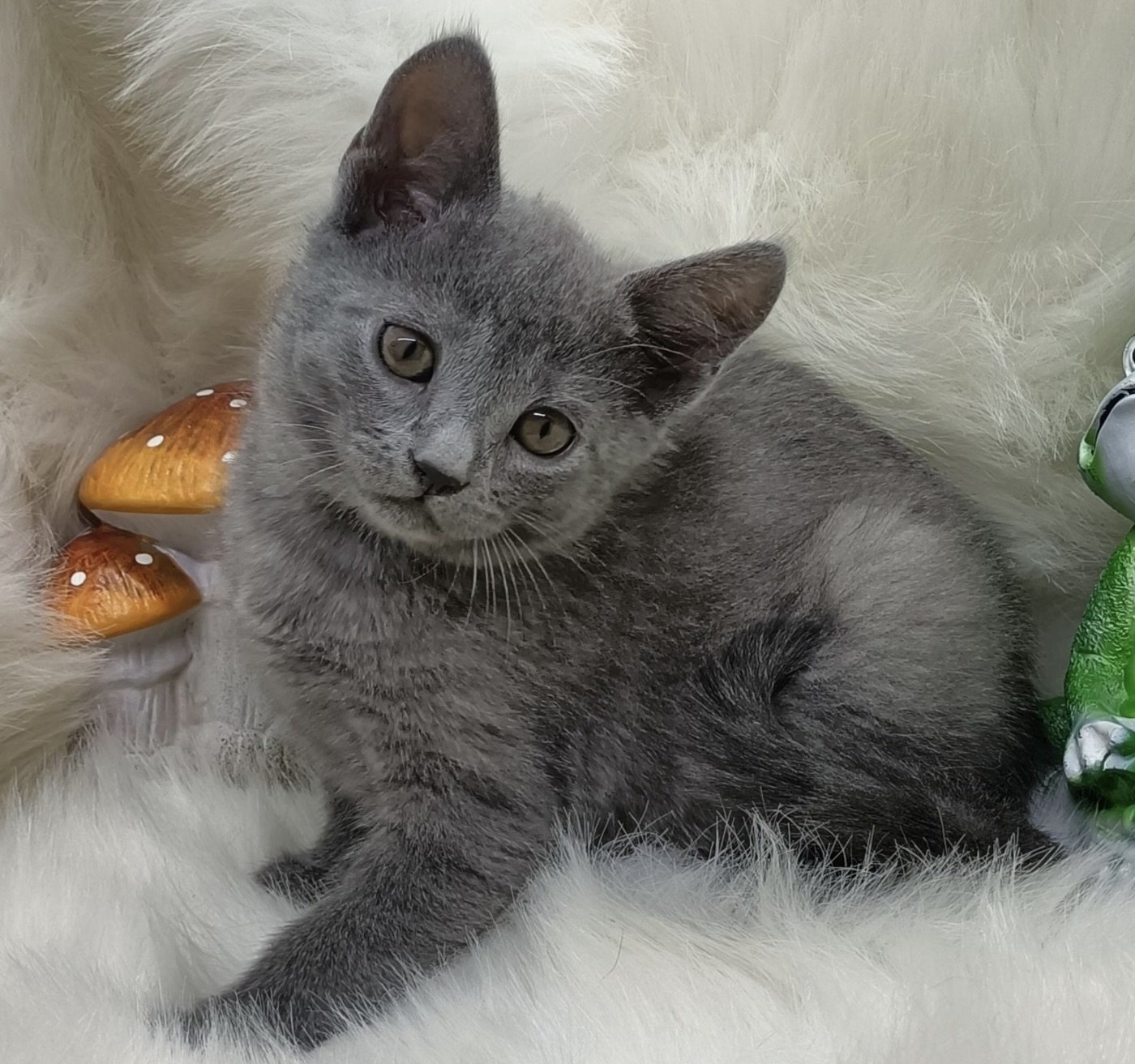
Understanding Manx Kittens: Breed Basics and Unique Traits
The Manx breed stands as one of the most distinctive felines globally, renowned for its tailless—or rump-less—appearance, a genetic quirk deeply rooted in its Isle of Man heritage. Originating from the small British Crown Dependency located in the Irish Sea, Manx cats have been documented since the 13th century, with folklore attributing their tailless trait to a shipwrecked sailor’s cat that mated with local feral felines. Over centuries, selective breeding solidified the trait, transforming it into a defining characteristic. However, the genetic basis for their unique anatomy involves more than just aesthetics; it carries health implications and ethical breeding considerations that prospective owners must understand.
Genetic Foundations of the Tailless Trait and Ethical Breeding Practices

The tailless appearance in Manx cats results from a recessive gene mutation affecting the development of the spinal vertebrae. This mutation, located on chromosome B2, leads to varying degrees of tail reduction or absence, categorized into four primary genetic types: Rumpy, Riser, Stumpy, and Longy. While the absence of a tail is visually striking, it often correlates with spinal abnormalities, including a shortened tailbone (coccyx) and potential spinal cord compression. Responsible breeders prioritize genetic testing to minimize health risks, such as Manx Syndrome, which can cause mobility issues or neurological disorders.
Ethical breeding practices emphasize not breeding two tailless cats together, as this significantly increases the likelihood of severe spinal deformities in offspring. The Manx Cat Association (MCA) and other governing bodies advocate for outcrossing—pairing Manx cats with breeds like the British Shorthair—to dilute the recessive gene while preserving the breed’s signature traits. Prospective buyers should seek breeders who provide health clearances, genetic testing results, and transparency about lineage, ensuring the kitten’s well-being is prioritized over superficial appeal.
Comparative Analysis of Manx Genetic Types: Physical Traits and Health Tendencies
Manx kittens exhibit distinct physical and behavioral variations based on their genetic type. Below is a comparative table outlining the four primary classifications, including their anatomical features, common health tendencies, and temperament nuances.
| Feature | Rumpy | Riser | Stumpy | Longy |
|---|---|---|---|---|
| Tail Presence | No visible tail; smooth transition from spine to hindquarters. | Small, vestigial tail (1–3 vertebrae). | Short, stubby tail (4–8 vertebrae). | Longer tail (9+ vertebrae), often resembling other domestic cats. |
| Spinal Health Risks | Highest risk of spinal abnormalities; potential mobility issues. | Moderate risk; may exhibit mild spinal curvature. | Lower risk; generally healthy spine. | Minimal risk; spinal structure closely resembles non-Manx cats. |
| Body Shape | Compact, muscular, with a rounded hindquarters. | Slightly elongated hindquarters with a subtle bump. | Balanced, athletic build with a defined tail stub. | Traditional feline proportions; tail length masks Manx traits. |
| Coat Density | Double-layered, water-resistant coat; prone to matting. | Similar to Rumpy but slightly less dense. | Short to medium-length; easier to maintain. | Varies by coat type (short/long); less prone to matting. |
| Temperament Notes | Highly energetic; requires mental stimulation. | Playful and curious; adaptable to indoor living. | Calmer demeanor; suits families with children. | More independent; retains traditional hunting instincts. |
Key Insight: While Rumpy Manx kittens are the most visually iconic, they carry the highest health risks. Riser and Stumpy types strike a balance between appearance and well-being, making them popular choices for ethical breeders. Longy Manx cats, though less "tailless," are often healthier and may be ideal for first-time owners seeking a low-maintenance yet distinctive breed.
Breed Standards and Registration: What to Look for in Pedigree Manx Kittens
The Manx Cat Association (MCA) and organizations like the Governing Council of the Cat Fancy (GCCF) enforce strict breed standards to ensure genetic health and physical integrity. Registration requires documentation of three generations of pedigree, genetic health testing, and confirmation that the kitten meets morphological criteria, such as: - Body Structure: A well-rounded, cobby build with a broad chest and strong legs. - Head Shape: A slightly rounded skull with full cheeks and a medium muzzle. - Coat: Available in short or long varieties, with dense undercoats in colder climates. - Color Patterns: Over 30 recognized colors and patterns, from solid blacks to tortoiseshells and tabbies.
Pedigree Importance: A registered Manx kitten guarantees adherence to breeding ethics, reducing the risk of hereditary conditions. Reputable breeders provide: - Health certificates (e.g., HD/DM screening for hip dysplasia). - Vaccination records and deworming history. - Contractual guarantees against genetic defects for a specified period.
Visual Cues in Pedigree Kittens: Double-Manx kittens often exhibit a plush, teddy bear-like coat with a rounded face and expressive eyes. Their hindquarters may appear slightly elevated due to the absence of a tail, creating a "bunny-hop" gait. Kittens with symmetrical ear placement, clear eye discharge, and no signs of limping are typically healthier.
Physical Characteristics Beyond the Tail: Coat, Color, and Body Composition
Manx cats are as diverse in coat and color as they are in tail length. Their physical traits extend beyond their rump-less anatomy to include: - Body Shape: A cobby, muscular build with a short back and long legs, giving them an almost "fox-like" silhouette. Their hindquarters are notably rounded, contributing to their distinctive posture. - Coat Types: - Short-haired Manx: Sleek and fine, requiring minimal grooming but prone to shedding. - Long-haired Manx: Features a luxurious, water-resistant double coat with a dense underlayer, ideal for colder climates. Regular brushing prevents matting, especially around the neck and hindquarters. - Color Patterns: Ranging from solid colors (blue, chocolate) to pointed patterns (Himalayan), tabbies, and bi-colors. Silver and golden Manx kittens often have a shimmering coat due to their agouti genes.
Distinctive Features to Observe: - Eyes: Large, round, and expressive, often in shades of green, gold, or copper. Heterochromia (two different-colored eyes) is rare but not unheard of. - Paws: Large and round, with tufts of fur between the toes, aiding in their agility. - Whisker Pads: Prominent and well-defined, adding to their rounded facial structure.
Identifying a Healthy Manx Kitten: Traits and Red Flags
Assessing a Manx kitten’s health involves examining both physical and behavioral cues. Healthy kittens exhibit: - Clear Signs of Vitality: - Eyes: Bright, with no discharge or crustiness. Pupils should constrict in response to light. - Ears: Clean, pink, and free of odor or wax buildup. - Coat: Shiny, with no bald patches or excessive dandruff. - Posture: Alert and balanced, with no signs of stiffness or reluctance to move. - Grooming Habits: Regularly licks paws and fur, indicating good hygiene instincts.
Critical Red Flags: - Spinal Issues: Difficulty walking, dragging hind legs, or a hunched posture may signal Manx Syndrome or spinal deformities. - Respiratory
Where to Find Manx Kittens for Sale: Trusted Sources and Red Flags
Ethically acquiring a Manx kitten requires careful consideration of sourcing options to ensure the kitten’s health, well-being, and adherence to breed standards. Reputable breeders, specialized rescues, and verified adoption platforms provide the safest pathways, while recognizing warning signs of unethical operations is critical to avoiding exploitation. This section explores trusted avenues for purchasing or adopting Manx kittens, outlines verification procedures for breeders, and highlights red flags indicative of fraudulent or harmful practices.
Reputable Sources for Manx Kittens
Manx kittens can be obtained through registered breeders, breed-specific rescues, and ethical adoption platforms, each offering distinct advantages. Registered breeders affiliated with recognized associations such as The International Cat Association (TICA) or the Cat Fanciers’ Association (CFA) conduct health screenings, genetic testing, and maintain transparent breeding practices. Breed-specific rescues, such as those organized by Manx cat clubs or local shelters, often rehome kittens or adult cats in need of adoption, including mixed-breed Manx (e.g., "Manx mix" or "domestic shorthair with Manx traits"). Ethical pet adoption platforms, including Petfinder, Adopt-a-Pet, and NextdayPets, vet listings for legitimacy and provide resources to verify sellers.
For those seeking pedigreed Manx kittens, specialized breeders with a focus on genetic health and temperament are preferable. These breeders typically provide: - Health clearances for hereditary conditions like hip dysplasia, deafness, and Manx syndrome (a genetic disorder affecting the spine). - Pedigree documentation traceable through registries like TICA or CFA. - Facility tours to observe living conditions and socialization practices. - Post-adoption support, including guidance on care and potential health issues.
Adopting through shelters or rescues is another compassionate option, particularly for mixed-breed Manx kittens. Organizations like Manx Cat Rescue (UK-based) or local shelters often list kittens with Manx traits, reducing the demand for backyard breeding. These kittens may require additional health screenings, as mixed-breed genetics can introduce unpredictability in traits like tail length or coat type.
Verifying a Breeder’s Legitimacy
Before committing to a purchase, prospective owners should conduct thorough due diligence to ensure the breeder operates ethically. A step-by-step verification process includes the following:
1. Request Documentation - Health clearances for parents and kittens, particularly for Manx syndrome (MS), polycystic kidney disease (PKD), and hypertrophic cardiomyopathy (HCM). - Genetic testing results, such as those provided by Basepaws or Wisdom Panel, to confirm breed purity and rule out hereditary diseases. - Pedigree papers from a recognized registry (TICA, CFA, or FIFe), detailing lineage for at least three generations.
2. Schedule a Facility Visit Ethical breeders welcome visits to their homes or catteries, allowing potential buyers to: - Observe the cleanliness and size of enclosures, ensuring kittens are raised in a stress-free environment. - Assess socialization practices, such as early human interaction and exposure to other pets. - Meet the breeding cats to evaluate temperament and health firsthand.
3. Review Contracts and Policies A legitimate breeder provides a written contract outlining: - Guarantees for genetic health conditions, including refunds or rehoming options if issues arise. - Spay/neuter agreements for pets not intended for breeding. - Return policies in cases of behavioral or health complications post-adoption.
4. Check References and Reviews - Seek testimonials from previous buyers, preferably with contact details for verification. - Research online forums (e.g., Reddit’s r/ManxCats or CatBreeders.com) for discussions about the breeder’s reputation. - Avoid breeders who refuse to provide references or become defensive when questioned.
Warning Signs of Puppy Mills or Backyard Breeders
Unethical breeding operations prioritize profit over animal welfare, often exhibiting lack of transparency, poor living conditions, or aggressive sales tactics. Common red flags include:
Lack of Transparency - No contact information for the breeder beyond a generic email or phone number. - Refusal to provide health records, pedigrees, or facility tours. - Vague descriptions of the kitten’s lineage, age, or vaccinations.
Poor Living Conditions - Overcrowded or dirty enclosures with signs of neglect (e.g., soiled cages, lack of food/water). - Kittens with visible health issues, such as matted fur, discharge, or limping. - Multiple litters available year-round, suggesting a high-volume, low-regulation operation.
Aggressive Sales Tactics - High-pressure sales pitches, such as limited-time offers or urgency to "secure" a kitten. - Demands for upfront payments without contracts or receipts. - Shipping kittens without proper acclimation, increasing stress and health risks.
Misrepresented Kittens - Fake photos or videos (e.g., stock images, edited videos) in online listings. - Discrepancies in age or breed description, such as claiming a kitten is a "purebred Manx" when it exhibits mixed traits. - No microchipping or vaccinations, leaving buyers responsible for immediate veterinary care.
Role of Manx Cat Registries and Associations
Cat registries and breed associations play a pivotal role in certifying ethical breeders and ensuring genetic integrity. Organizations like TICA, CFA, and the Governing Council of the Cat Fancy (GCCF) maintain databases of registered breeders, champions, and pedigreed kittens. Prospective buyers can: - Search breeder directories to verify registration status and disciplinary history. - Cross-reference pedigrees to confirm authenticity and lineage. - Access educational resources on breed standards, health risks, and responsible ownership.
For example, TICA’s breeder search tool allows users to filter by location, specialty, and health testing compliance. Similarly, CFA’s breeder referral program connects buyers with vetted professionals who adhere to strict ethical guidelines. While registry affiliation does not guarantee perfection, it serves as a baseline for accountability in the breeding community.
Adopting Manx Kittens from Shelters or Rescues
Adoption offers a cost-effective and ethical alternative to purchasing from breeders, particularly for mixed-breed Manx kittens. Shelters and rescues often house kittens with Manx traits, such as rump-length tails or rounded ears, without the full pedigree. Steps to locate these kittens include:
1. Searching Shelter Databases - Use platforms like Petfinder, Adopt-a-Pet, or Petango to filter by breed keywords (e.g., "Manx," "tailless," or "Scottish Fold mix"). - Contact local shelters directly, as they may not list kittens on national databases.
2. Connecting with Manx-Specific Rescues - Organizations like Manx Cat Rescue (UK) or The Manx Cat Club (US) facilitate adoptions and often have networks with shelters. - Facebook groups (e.g., "Manx Cat Lovers & Adoptions") frequently share listings for rescues in need of fostering or adoption.
3. Evaluating Mixed-Breed Kittens - Health screenings may be limited, so prospective adopters should budget for veterinary checks, including deafness tests (common in Manx cats). - Behavioral assessments help identify kittens with high energy levels or socialization needs, as mixed-breed Manx may inherit traits from other breeds.
4. Post-Adoption Considerations - Spaying/neutering is often included in adoption fees but should be confirmed. - Microchipping and vaccination records should be provided; if not, arrange these promptly. - Temperament testing ensures the kitten is a good fit for the household, especially for families with children or other pets.
Evaluating Online Listings for Manx Kittens
Online marketplaces like Craigslist, Facebook Marketplace, NextdayPets, and Kitten Lady present both opportunities and risks. To avoid scams, buyers should follow a structured evaluation process:
1. Spotting Fake Photos or Misrepresented Kittens - Reverse-image search tools (e.g., Google Images) can reveal
Health and Care Essentials for Manx Kittens: What Buyers Must Know
Manx kittens are known for their distinctive tailless appearance and playful, affectionate nature, but their unique genetic makeup also introduces specific health considerations that potential buyers must understand. Responsible ownership begins with recognizing the breed’s predispositions—particularly spinal and skeletal concerns—and implementing a tailored care routine to ensure a long, healthy life. This section explores the genetic risks inherent in Manx kittens, outlines a structured care plan for their first year, and provides practical guidance on monitoring health, grooming, and behavioral enrichment. By addressing these elements proactively, owners can mitigate risks and foster a thriving environment for their tailless companions.
Genetic Health Risks in Manx Kittens and Responsible Breeding Practices
The most critical health concern for Manx kittens stems from the Manx gene (Mn), which suppresses tail development but also increases the risk of Manx syndrome, a congenital spinal disorder. This condition arises from incomplete development of the spinal vertebrae, potentially leading to neurological deficits, paralysis, or even stillbirth in severe cases. Responsible breeders employ selective breeding strategies to minimize these risks, such as: - Avoiding double-dosing the Mn gene (MnMn), which guarantees Manx syndrome. Instead, they pair heterozygous carriers (Mn+) to produce tailless kittens (Mn+) with a lower risk of severe spinal issues. - Genetic testing via DNA analysis to screen for the Mn gene and other hereditary conditions like hip dysplasia or patellar luxation. - Radiographic evaluations of breeding cats to assess spinal structure and exclude individuals with subclinical signs of Manx syndrome.
Blockquote: "Ethical breeders prioritize health over appearance, ensuring that spinal integrity is maintained without compromising the breed’s defining trait."
Additional genetic risks include obesity, which exacerbates joint stress, and cardiac conditions like hypertrophic cardiomyopathy (HCM). Buyers should request health clearances from breeders, including: - Orthopedic evaluations (hips, spine). - Cardiac screenings (echocardiogram). - Ophthalmologic exams (to rule out hereditary eye diseases).
First-Year Care Routine for Manx Kittens: Vaccinations, Parasite Control, and Spinal Monitoring
The first year of a Manx kitten’s life is foundational for their long-term health. A structured care routine should align with veterinary recommendations while accounting for breed-specific vulnerabilities. Below is a month-by-month guide for vaccinations, deworming, and flea prevention:
Vaccination Schedule: - 6–8 weeks: FVRCP (feline viral rhinotracheitis, calicivirus, panleukopenia) and feline leukemia (FeLV) if in a high-risk environment. - 12 weeks: Second FVRCP booster; first rabies vaccination (required by law in most regions). - 16 weeks: Third FVRCP booster; FeLV booster if initially vaccinated. - 1 year: Core vaccines updated; annual boosters thereafter.
Parasite Prevention: - Deworming: Administer fenbendazole or pyrantel every 2–4 weeks until 12 weeks old, then monthly preventive treatments. - Flea prevention: Use spot-on treatments (e.g., selamectin) or oral medications (e.g., nitenpyram) starting at 8 weeks, tailored to local flea activity.
Spinal Health Monitoring: Manx kittens should be observed for early signs of neurological compromise, such as: - Altered gait (e.g., dragging hind limbs, knuckling over). - Loss of bladder/bowel control. - Excessive vocalization or irritability when handled. - Asymmetry in muscle development or reluctance to jump.
Blockquote: "Consult a feline orthopedic specialist immediately if a kitten exhibits stiffness, reluctance to move, or progressive weakness, as early intervention can prevent permanent damage."
Dietary Needs of Manx Kittens: Protein Levels, Portion Control, and Forbidden Foods
Manx kittens require a high-protein, nutrient-dense diet to support rapid growth, muscle development, and spinal health. Commercial kitten food should contain at least 30% protein (dry matter basis) and 20% fat, with taurine and DHA for retinal and cardiac health. Wet food can complement dry kibble to ensure adequate hydration.
Portion Guidelines: - 3–6 months: 200–250 kcal/day, divided into 3–4 meals. - 6–12 months: 250–300 kcal/day, transitioning to 2 meals/day. - Adult maintenance: Adjust based on activity level (typically 200–250 kcal/day for a 7–10 lb cat).
Forbidden Foods: - Raw fish (thiamine deficiency risk). - Onions, garlic, chives (hemolytic anemia). - Artificial sweeteners (xylitol) (liver failure). - Alcohol, caffeine, chocolate (toxic to cats). - Dairy products (lactose intolerance in many cats).
Blockquote: "Overfeeding is a common pitfall—Manx kittens are prone to obesity, which accelerates joint degeneration. Use a slow-feeder bowl and monitor body condition monthly."
Common Health Issues in Manx Kittens: Symptoms, Prevention, and Treatment
Manx kittens face breed-specific health challenges beyond spinal disorders. Below is a comparative table of prevalent conditions, their warning signs, and management strategies:
| Health Issue | Symptoms | Prevention | Treatment Options | ||||||||||||||||||||||||||||||||||||||||||||||||||||||||||||||||||||||||||
|---|---|---|---|---|---|---|---|---|---|---|---|---|---|---|---|---|---|---|---|---|---|---|---|---|---|---|---|---|---|---|---|---|---|---|---|---|---|---|---|---|---|---|---|---|---|---|---|---|---|---|---|---|---|---|---|---|---|---|---|---|---|---|---|---|---|---|---|---|---|---|---|---|---|---|---|---|---|
| Hip Dysplasia | Limp, reluctance to jump, "bunny-hopping" gait, pain when picked up. |
|
|
||||||||||||||||||||||||||||||||||||||||||||||||||||||||||||||||||||||||||
| Obesity | Visible fat pads, difficulty grooming, lethargy, labored breathing. |
|
|
||||||||||||||||||||||||||||||||||||||||||||||||||||||||||||||||||||||||||
| Hypertrophic Cardiomyopathy (HCM) | Rapid breathing, lethargy, sudden collapse, or heart murmurs (detectable via ultrasound). |
|
|
||||||||||||||||||||||||||||||||||||||||||||||||||||||||||||||||||||||||||
| Patellar Luxation | Sudden leg
Cost Breakdown: Budgeting for a Manx Kitten and Long-Term ExpensesBringing a Manx kitten into your home involves more than just the upfront cost of adoption or purchase. Understanding the financial commitment ensures responsible ownership, as Manx cats—known for their unique tailless anatomy and playful personalities—require specialized care and potential long-term investments. From initial acquisition to lifelong expenses, budgeting involves evaluating pedigree, location, and health-related costs while accounting for hidden financial responsibilities. A well-planned budget prevents financial strain and ensures the kitten’s well-being without compromising quality of care.Comprehensive Price Range for Manx KittensThe cost of acquiring a Manx kitten varies significantly based on pedigree, breeder reputation, and geographic location. Pet-quality kittens typically range from $800 to $1,500, while show-quality or champion bloodline kittens can exceed $3,000, particularly if they come from award-winning lines. Reputable breeders in regions with high demand—such as the U.S. East Coast, UK, or Australia—often charge premium prices due to limited availability and rigorous breeding standards. Conversely, kittens from emerging or less competitive markets may cost 20–30% less, though buyers should verify breeder credentials to avoid unethical practices. Key factors influencing price:Example Price Tiers for Manx Kittens (USD) Spreadsheet-Style Cost Breakdown: Initial and Long-Term ExpensesManx kittens require a structured financial plan to cover immediate and ongoing needs. Below is a table outlining estimated costs, categorized by phase and expense type. Values are approximate and may vary based on location and lifestyle.
Hidden Costs and Overlooked Financial ResponsibilitiesNew Manx kitten owners often underestimate expenses that arise from the breed’s unique traits or unforeseen circumstances. These hidden costs can accumulate quickly if not budgeted for:Real-Life Example: A Manx cat named "Mochi" required emergency spinal surgery after a fall, incurring $8,500 in vet bills. Owners with a dedicated emergency fund covered the cost without financial stress. Cost Comparison: Manx vs. Other Popular BreedsManx kittens share some expenses with other breeds but differ in areas like specialized care and potential health risks. Below is a comparative table highlighting initial and annual costs for Manx cats versus Maine Coon, Siamese, and Domestic Shorthair breeds.
|
Leave a Comment
Comments are moderated before appearing. The data you submit is processed according to the Privacy Policy of Vetlife Archive.