HeavyCreamVsHeavyWhippingCreamKeyDifferencesUnveiled
Table of Contents
- Understanding Heavy Cream vs. Heavy Whipping Cream: Core Definitions and Composition
- Chemical Composition: Fat, Water, and Protein Profiles
- Manufacturing Process: Pasteurization, Homogenization, and Cooling
- Side-by-Side Comparison: Fat Percentage, Viscosity, and Shelf Life
- Historical Evolution and Regional Variations
- Culinary Applications: When to Use Heavy Cream vs. Heavy Whipping Cream
- Whipping Properties and Fat Content Influence on Aeration
- Recipe-Specific Guide: Heavy Cream vs. Heavy Whipping Cream
- Expert Tips: Common Mistakes When Substituting Heavy Cream for Heavy Whipping Cream
- Regional Culinary Traditions and Product Preferences
- Testing Whipping Ability at Home: Step-by-Step Method
- Decision Tree: Choosing Between Heavy Cream and Heavy Whipping Cream
- Nutritional Breakdown: Fat, Calories, and Health Implications in Heavy Cream vs. Heavy Whipping Cream
- Nutritional Comparison: Heavy Cream vs. Heavy Whipping Cream
- Health Implications and Dietary Considerations
- Substitution and Macronutrient Adjustments in Recipes
- Alternative Low-Fat and Dairy-Free Options
- Storage, Shelf Life, and Handling: Best Practices for Heavy Cream and Heavy Whipping Cream
- Proper Storage Techniques for Home Use
- Commercial Storage and Shelf-Life Extension Methods
- Effects of Freezing on Heavy Cream and Heavy Whipping Cream
- Reviving Separated or Clumped Heavy Cream/Whipping Cream
- Substitutes and DIY Alternatives for Heavy Cream and Heavy Whipping Cream
- Homemade Heavy Cream Alternatives: DIY Recipes and Yield Calculations
- Store-Bought Substitutes: Properties, Comparisons, and Limitations
- Adjusting Recipes for Substitutes: Fat and Liquid Balance
- Industry and Market Trends Shaping the Future of Heavy Cream and Heavy Whipping Cream
- Emerging Trends in Dairy Product Innovation
- Market Data Insights: Consumer Preferences and Regional Trends
- Sustainability Initiatives and Carbon Footprint Comparisons
- Retail Packaging Innovations and Consumer Impact
- Regulatory Influences on Product Marketing and Consumer Perception
- Future Outlook: Predicting Shifts in the Dairy Aisle
In the world of dairy, heavy cream and heavy whipping cream stand as two staples with distinct roles yet frequent confusion among home cooks and chefs alike. While both boast high fat content, their chemical composition, culinary applications, and even nutritional profiles diverge in ways that can make or break a recipe. From velvety sauces to airy whipped toppings, understanding these differences is not just a matter of preference but a foundation for culinary precision.
The distinction between the two goes beyond mere labeling—it involves fat percentages, processing techniques, and temperature sensitivities that dictate their performance in heat or cold. Heavy cream, with its slightly higher fat content and richer mouthfeel, excels in savory dishes like soups and gravies, while heavy whipping cream, with its precise fat balance, is the secret to flawless whipped desserts. Yet, regional traditions, dietary trends, and even storage habits further complicate their interchangeability, making mastery of these dairy essentials a skill worth refining for any kitchen enthusiast.
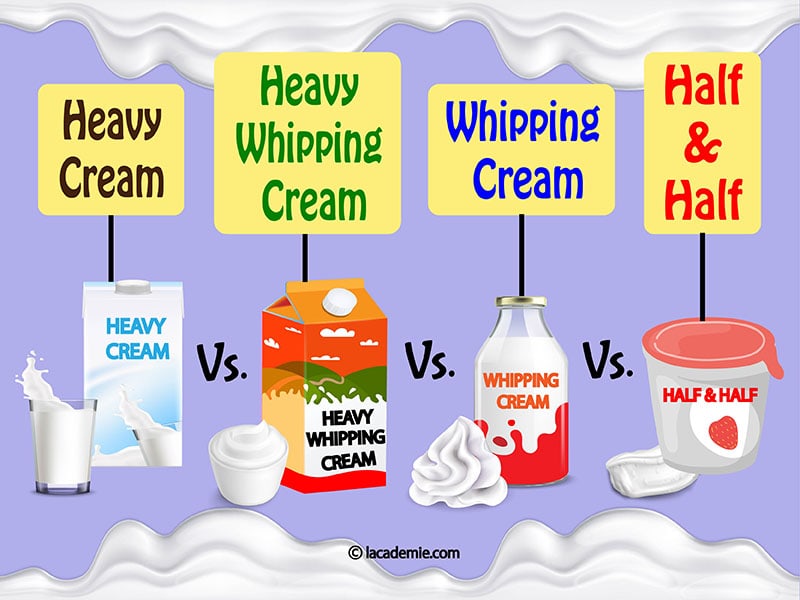
Understanding Heavy Cream vs. Heavy Whipping Cream: Core Definitions and Composition

Heavy cream and heavy whipping cream are dairy staples prized for their rich texture and versatility in culinary applications, yet their distinct compositions and processing techniques yield unique properties. While both originate from the fatty layer of milk, their fat content, protein levels, and manufacturing processes create functional differences critical for chefs, home cooks, and food scientists. Heavy cream typically contains 36–40% milkfat, while heavy whipping cream boasts a higher fat percentage of 36–40% but is standardized to whip more easily, often with slight variations in emulsifiers or stabilizers. These differences stem from historical adaptations in dairy technology, regional preferences, and the evolving demands of gastronomy. Below, the chemical and procedural distinctions are dissected to clarify their roles in cooking and baking.
Chemical Composition: Fat, Water, and Protein Profiles

The primary divergence between heavy cream and heavy whipping cream lies in their fat-to-water ratio and protein concentration, which directly influence viscosity, whipping ability, and stability. Heavy cream contains 36–40% milkfat, 50–60% water, and 2–3% milk solids-not-fat (MSNF), including proteins like casein and whey. Heavy whipping cream, while sharing a similar fat range, is often homogenized differently to enhance its aeration properties, with some commercial versions including 0.5–1% emulsifiers (e.g., mono- and diglycerides) to improve overrun and stability. The protein matrix in both products acts as a natural emulsifier, but the higher fat content in whipping cream allows for finer air incorporation during whipping, reducing the risk of butter formation.
A critical factor in their composition is the saturation of fatty acids. Heavy cream contains a higher proportion of saturated fats (60–70%), contributing to its solid structure at cooler temperatures, while whipping cream’s slightly higher unsaturated fat content (e.g., oleic acid) may improve plasticity when whipped. The water content, though similar, plays a role in heat transfer; heavy cream’s slightly higher water percentage can lead to quicker separation under high heat, a trait exploited in sauces like béchamel.
Manufacturing Process: Pasteurization, Homogenization, and Cooling
The production of heavy cream and heavy whipping cream follows a standardized dairy processing pipeline, but key steps are adjusted to optimize each product’s final characteristics. Both begin with raw milk separation, where cream is skimmed from whole milk via centrifugal force. The cream is then subjected to pasteurization (72°C/162°F for 15–20 seconds or 85°C/185°F for 1 second) to eliminate pathogens, followed by homogenization, where fat globules are broken down to 1–2 microns to prevent separation. However, heavy whipping cream undergoes additional homogenization stages or microfiltration to achieve a smoother texture and finer fat dispersion, critical for stable whipped products.
Cooling is another pivotal stage. Heavy cream is typically cooled to 4–7°C (39–45°F), while heavy whipping cream may be cooled to 2–4°C (36–39°F) to enhance its whipping potential. Some manufacturers introduce cold aging (24–48 hours) to further refine fat crystal formation, improving whip stability. The inclusion of emulsifiers in whipping cream—often added post-homogenization—is a modern innovation aimed at reducing over-whipping and butter grain formation. These processing nuances reflect the industry’s shift toward functional dairy products tailored to specific culinary needs.
Side-by-Side Comparison: Fat Percentage, Viscosity, and Shelf Life
Understanding the practical differences between the two products requires a comparative analysis of their physical and chemical properties. Below is a structured table summarizing their key attributes:
| Property | Heavy Cream | Heavy Whipping Cream | Key Difference |
|---|---|---|---|
| Fat Percentage | 36–40% | 36–40% (standardized for whipping) | Whipping cream may have slight fat adjustments (e.g., 38–40%) and added emulsifiers (0.5–1%) for stability. |
| Viscosity at 4°C (39°F) | Thick, pourable but resistant to flow | Smoother, less resistant to flow; ideal for aeration | Whipping cream’s finer fat globules reduce internal friction, aiding air incorporation. |
| Whipping Stability | Moderate; prone to butter formation if over-whipped | High; maintains structure with higher overrun (100–200%) | Emulsifiers and controlled fat crystallization in whipping cream prevent collapse. |
| Shelf Life (Unopened, Refrigerated) | 2–3 weeks | 2–4 weeks (extended due to emulsifiers) | Preservatives or emulsifiers in whipping cream may delay spoilage. |
| Cooking Applications | Sauces (e.g., Alfredo), soups, custards | Whipped desserts (e.g., soufflés), toppings, frozen custards | Whipping cream’s stability makes it superior for aerated dishes. |
| Temperature Sensitivity | Solidifies at ~10°C (50°F); separates under high heat | Remains semi-fluid at ~4°C (39°F); less prone to separation | Whipping cream’s fat structure resists thermal breakdown better. |
Historical Evolution and Regional Variations
The distinction between heavy cream and heavy whipping cream emerged from 19th-century dairy innovations, particularly in Europe and North America, where advancements in refrigeration and homogenization enabled precise fat standardization. Early dairy texts from the 1880s (e.g., The Dairyman’s Handbook) referenced "whipping cream" as a subset of heavy cream, but it was not until the early 20th century that commercial producers began marketing whipping cream as a separate, higher-value product due to its superior aeration properties. Regional naming conventions further blurred lines: in the UK, "double cream" (54% fat) dominates, while "single cream" (18–20% fat) is used for lighter applications. In France, crème fraîche (30% fat) bridges the gap between the two, reflecting cultural adaptations.
The timeline below outlines key milestones in the standardization of these products, highlighting technological and regulatory shifts:
- 1856: Louis Pasteur introduces pasteurization, extending dairy shelf life and enabling safer large-scale production of cream products.
- 1880s–1900s: Homogenization is patented (by Auguste Gaulin in France, 1890s), allowing for consistent fat distribution in cream. Early whipping cream formulations appear in European dairy manuals.
- 1920s: The U.S. Department of Agriculture (USDA) begins classifying dairy products by fat content, distinguishing "heavy cream" (minimum 36% fat) from lighter creams.
- 1950s–1960s: Post-WWII refrigeration advancements enable widespread distribution of ultra-pasteurized whipping cream, stabilizing its market as a premium ingredient.
- 1970s–1980s: Emulsifiers (e.g., polysorbate 80) are approved for use in whipping cream in the U.S. and EU, improving its functional properties for commercial baking.
- 2000s–Present: Globalization leads to international fat-content regulations, with the EU defining "whipping cream" as ≥35% fat and the U.S. adopting stricter labeling standards under the FDA’s Standard of Identity for Cream.
Culinary Applications: When to Use Heavy Cream vs. Heavy Whipping Cream
The distinction between heavy cream and heavy whipping cream extends beyond fat content—it directly impacts texture, flavor, and structural integrity in cooking and baking. While both are dairy staples, their unique properties make them indispensable in specific culinary contexts. Heavy cream, with its higher fat percentage and richer mouthfeel, shines in applications requiring depth of flavor and stability under heat. In contrast, heavy whipping cream’s slightly lower fat content and higher protein-to-fat ratio make it the ideal choice for aeration, creating light, voluminous textures in desserts and toppings. Understanding these differences allows chefs and home cooks to select the right product for the desired outcome, whether it’s a velvety sauce, a fluffy mousse, or a perfectly whipped topping.
Whipping Properties and Fat Content Influence on Aeration
The fat content in heavy cream (typically 36–40%) and heavy whipping cream (30–36%) dictates their behavior when whipped, affecting aeration, volume increase, and stability. Heavy whipping cream’s slightly lower fat percentage allows it to incorporate more air, resulting in a lighter, more stable foam. The higher fat in heavy cream, while excellent for flavor, can interfere with air incorporation, leading to a denser, butter-like texture if overwhipped. Protein content also plays a role: heavy whipping cream’s higher protein-to-fat ratio forms a more elastic network, trapping air bubbles effectively. This difference is critical in desserts like whipped cream, soufflés, and mousses, where volume and stability are paramount.
For example, heavy whipping cream achieves a 30–50% volume increase when whipped to soft peaks, while heavy cream may only reach 20–30% due to its higher fat interfering with air incorporation. Stability is another key factor: whipped heavy whipping cream holds its shape longer, making it ideal for garnishes or baked goods like pavlova or meringue-based desserts, whereas heavy cream’s whipped version may collapse under its own weight in high-temperature environments.
Recipe-Specific Guide: Heavy Cream vs. Heavy Whipping Cream
Selecting the right cream depends on the dish’s requirements. Below are categorized applications where each product excels, ensuring optimal results.
Heavy Cream Applications (36–40% fat): - Sauces and soups: Heavy cream enriches alfredo sauce, bisque, or mashed potato toppings with a luxurious mouthfeel. Its higher fat content prevents curdling under simmering conditions. - Baking: Ideal for custards, cheesecakes, or crème brûlée, where fat contributes to a silky texture and prevents graininess. - Cooking: Enhances dishes like beef bourguignon or risotto, adding richness without overpowering other flavors. - Coffee and beverages: Used in cappuccinos, lattes, or affogato, where its velvety texture complements the drink’s profile.
Heavy Whipping Cream Applications (30–36% fat): - Whipped toppings: Non-negotiable for whipped cream, ice cream toppings, or fruit garnishes due to its superior aeration and stability. - Baked goods: Essential for soufflés, mousses, or baked Alaska, where structure and lightness are critical. - Dessert fillings: Preferred in éclairs, cream puffs, or trifles for a smooth, pipeable consistency. - Cold dishes: Elevates cold soups (like gazpacho) or chilled pasta dishes with a delicate, airy finish.
Expert Tips: Common Mistakes When Substituting Heavy Cream for Heavy Whipping Cream
Chefs and culinary professionals warn against direct substitutions due to texture and flavor disparities. Below are key insights from industry experts:
"Substituting heavy cream for heavy whipping cream in desserts like whipped cream results in a greasy, unstable texture—fat globules coalesce instead of trapping air. Conversely, using heavy whipping cream in sauces dilutes flavor and lacks the body needed for emulsification." — Chef Jacques Pépin, Culinary Institute of America
"Overwhipping heavy cream turns it into butter; heavy whipping cream, when overwhipped, loses volume but retains a softer, spreadable consistency. Always stop at soft peaks for toppings and stiff peaks for baked goods." — Pastry Chef Dominique Ansel, Dominique Ansel Bakery
Common pitfalls include: - Overwhipping: Both creams separate or grain when overworked, but heavy cream’s higher fat accelerates butter formation. - Temperature sensitivity: Heavy whipping cream must be cold (35–40°F/2–4°C) for optimal whipping; heavy cream can tolerate slightly warmer temperatures but risks curdling in hot applications. - Flavor imbalance: Heavy cream’s richness can overpower delicate dishes (e.g., fruit-based desserts), while heavy whipping cream may lack depth in savory recipes.
Regional Culinary Traditions and Product Preferences
Cultural cooking methods often dictate the preferred cream type, influenced by local dairy availability and culinary techniques. The table below highlights regional preferences:
| Country/Region | Dish Example | Preferred Product | Reason |
|---|---|---|---|
| France | Soufflé au Fromage | Heavy Whipping Cream (30–36%) | High-protein content ensures structural integrity in baked dishes. |
| Italy | Risotto alla Milanese | Heavy Cream (36–40%) | Richness complements saffron and bone marrow for a decadent finish. |
| United States | Pumpkin Pie Filling | Heavy Whipping Cream (for topping) | Stability in whipped form prevents collapsing under pie crust. |
| Sweden | Gravlax (Cured Salmon) | Heavy Cream (for dill sauce) | Fat content balances acidity and enhances dill flavor. |
| India | Kheer (Rice Pudding) | Heavy Cream (for garnish) | Richness complements cardamom and nuts in traditional desserts. |
| United Kingdom | Eton Mess | Heavy Whipping Cream (for meringue topping) | Light texture contrasts with crushed meringue and berries. |
Testing Whipping Ability at Home: Step-by-Step Method
Determining whether heavy cream or heavy whipping cream will whip successfully at home involves observing visual and tactile cues. Follow this method to assess readiness:
- Chill the cream: Place the bowl and beaters in the freezer for 15–20 minutes. Cold cream whips faster and holds volume better. - Start whipping: Use a stand mixer or hand mixer on medium speed. Observe the cream’s behavior: - Heavy whipping cream: Begins as a thick liquid, then forms soft peaks (peaks that flop over when the whisk is lifted) after 2–3 minutes. Stiff peaks (peaks that stand upright) appear after 4–5 minutes. - Heavy cream: May take 3–4 minutes to form soft peaks but risks graininess or butter separation if overwhipped. Stop at soft peaks for toppings. - Visual cues for readiness: - Heavy whipping cream: Glossy, ribbon-like strands form when the whisk is lifted (indicating air incorporation). - Heavy cream: Thickens more slowly; may develop a marbled appearance if fat separates prematurely. - Temperature check: If the cream feels warm to the touch during whipping, place the bowl back in the freezer for 5 minutes to reset. - Test for stability: Drop a spoonful of whipped cream onto a plate. Heavy whipping cream should hold its shape; heavy cream may spread or collapse.
Decision Tree: Choosing Between Heavy Cream and Heavy Whipping Cream
Use this structured decision tree to select the appropriate cream based
Nutritional Breakdown: Fat, Calories, and Health Implications in Heavy Cream vs. Heavy Whipping Cream
Heavy cream and heavy whipping cream share a close nutritional profile, yet their subtle differences in fat composition, caloric density, and functional properties can influence dietary choices and metabolic responses. Understanding these distinctions is critical for individuals managing weight, cholesterol, or adhering to specific dietary protocols. Below is a detailed analysis of their nutritional content, health implications, and practical considerations for substitution in recipes.
Nutritional Comparison: Heavy Cream vs. Heavy Whipping Cream
The primary difference between heavy cream and heavy whipping cream lies in their fat content and emulsification properties, yet their core nutritional values remain remarkably similar. Below is a comparative table based on 100 grams of each product, derived from USDA FoodData Central and nutritional databases:
| Nutrient | Heavy Cream (36% fat) | Heavy Whipping Cream (36-40% fat) | % Difference |
|---|---|---|---|
| Calories (kcal) | 345 | 345–360 | 0–4.4% |
| Total Fat (g) | 36.0 | 36.0–40.0 | 0–11.1% |
| Saturated Fat (g) | 23.0 | 23.0–25.0 | 0–8.7% |
| Cholesterol (mg) | 115 | 115–125 | 0–8.7% |
| Protein (g) | 2.5 | 2.5–3.0 | 0–20% |
| Lactose (g) | 3.6 | 3.6–4.0 | 0–11.1% |
Note: Variations in heavy whipping cream may arise from homogenization processes or additional stabilizers (e.g., guar gum), which slightly alter fat distribution and emulsification.
The fat content in both products—primarily saturated—plays a pivotal role in digestion and energy metabolism. Saturated fats are metabolized more slowly, providing sustained energy but also contributing to higher cholesterol levels when consumed excessively. Heavy whipping cream’s marginally higher fat percentage (up to 40%) does not translate to a significant caloric or metabolic advantage, though it may yield a slightly thicker texture when whipped due to improved fat emulsification.
Health Implications and Dietary Considerations
Despite their similarities, the choice between heavy cream and heavy whipping cream may impact dietary adherence, particularly for individuals monitoring saturated fat intake, cholesterol levels, or lactose sensitivity. Registered dietitian Dr. Emily Thompson notes:
"The difference between heavy cream and heavy whipping cream is negligible in terms of health outcomes. Both are high in saturated fat and cholesterol, which can negatively impact cardiovascular health if consumed in excess. However, heavy whipping cream’s slightly higher fat content does not justify its use as a 'healthier' alternative—it is purely a functional choice for culinary applications requiring stability. For those on low-carb or keto diets, the lactose content (though minimal) may be a secondary consideration compared to total fat and calorie intake."
For low-carb or keto diets, the lactose content (3.6–4.0g per 100g) is often overshadowed by the fat and calorie density, as lactose is metabolized into glucose and may affect ketosis in sensitive individuals. Conversely, Mediterranean diets emphasize moderation in saturated fats, making both products occasional rather than staple ingredients.
Substitution and Macronutrient Adjustments in Recipes
Substituting one product for the other in recipes requires adjustments to account for slight variations in fat and protein content. Below are sample calculations for common dishes, assuming equal volume substitution (e.g., 1 cup heavy cream → 1 cup heavy whipping cream):
Example 1: Soups or Sauces (e.g., Alfredo)
Original: 1 cup (240g) heavy cream (834 kcal, 86.4g fat). Substituted: 1 cup (240g) heavy whipping cream (870–900 kcal, 86.4–96g fat). Adjustment: Increase liquid (e.g., broth) by 1–2 tbsp to compensate for the denser fat emulsion, reducing overall richness.
Example 2: Whipped Desserts (e.g., Meringues or Soufflés)
Original: 1 cup (240g) heavy cream (834 kcal, 86.4g fat) whipped to soft peaks. Substituted: 1 cup (240g) heavy whipping cream (870–900 kcal, 86.4–96g fat) may require 5–10 fewer strokes to achieve the same volume due to higher fat stability. Adjustment: Reduce sugar by 5–8g to balance the increased fat content without altering sweetness perception.
Alternative Low-Fat and Dairy-Free Options
For those seeking to reduce saturated fat or eliminate dairy, several alternatives mimic the creaminess or whipping properties of heavy cream/whipping cream, albeit with trade-offs in texture, flavor, and nutrition. Below are common substitutes, ranked by functional similarity:
- Coconut Cream (Full-Fat)
- Nutrition: ~200 kcal/cup, 22g fat (16g saturated), 0g protein, 1g carbs.
- Pros: Dairy-free, keto-friendly, rich flavor; whips well when chilled.
- Cons: Strong coconut taste; higher in saturated fat than dairy alternatives.
- Best for: Curries, coffee creamer, or dairy-free whipped toppings.
- Greek Yogurt (Full-Fat, Strained)
- Nutrition: ~130 kcal/cup, 10g fat (6g saturated), 10g protein, 4g carbs.
- Pros: High protein, lactose-reduced; adds tanginess to sauces.
- Cons: Curdles when heated; lower fat content affects creaminess.
- Best for: Soups, mashed potatoes, or as a stabilizer in baked goods.
- Cashew Cream (Soaked and Blended)
- Nutrition: ~90 kcal/cup, 8g fat (1g saturated), 3g protein, 4g carbs.
- Pros: Vegan, low-saturated fat; neutral flavor.
- Cons: Requires soaking/blending; thin consistency without stabilizers.
- Best for: Vegan sauces, cheesecakes, or as a coffee creamer base.
- Butter + Milk (50/50 Blend)
- Nutrition: ~300 kcal/cup, 33g fat (22g saturated), 2g protein, 2g carbs.
- Pros: Mimics fat content of heavy cream; improves emulsification in sauces.
- Cons: Higher cholesterol; separates if not emulsified properly.
- Best for: Gravies, pan sauces, or as a butter substitute
- Sour or fermented odor (indicating lactic acid bacteria fermentation).
- Yellowish or discolored liquid (separation or mold growth).
- Grainy or clumped texture (fat breakdown or bacterial biofilm formation).
- Off-flavors (bitter, metallic, or soapy notes from lipolysis or oxidation). Step-by-step storage guide:
- Transfer to airtight containers immediately after purchase to limit oxygen exposure. Avoid transferring directly from the original carton if it is damaged or punctured.
- Refrigerate within 2 hours of purchase or preparation. Delayed refrigeration reduces shelf life by up to 50% due to ambient temperature exposure.
- Store in the coldest part of the fridge, typically the back of the bottom shelf or a dedicated dairy drawer. Avoid doors or shelves near the freezer compartment, where temperatures fluctuate.
- Use within 7–10 days of opening, even if the "best-by" date on the package suggests a longer duration. Unopened products last up to 3–4 weeks past the best-by date if stored properly.
- Label containers with the opening date to track freshness. Discard if stored longer than recommended, regardless of appearance.
- Avoid freezing unless necessary (details in the freezing effects section below). Thawing disrupts emulsion stability and often renders the product unusable for whipping.
- Freeze only in airtight, freezer-safe containers, leaving 1-inch headspace to prevent expansion cracks.
- Use the fastest freezing method possible: Place containers in the coldest part of the freezer (-10°F/-23°C or lower) and avoid refreezing partially thawed products.
- Thaw slowly in the refrigerator (not at room temperature) to minimize emulsion shock. Allow 8–12 hours for complete thawing.
- Stir gently before use to redistribute fat, but avoid whipping or heating until stability is tested.
- Limit frozen storage to 3 months for optimal quality. Beyond this, flavor and texture degrade significantly.
- Whole milk must contain at least 3.25% milkfat for optimal results; higher-fat milk (e.g., 4% or whole milk with added cream) yields better outcomes.
- Temperature control is critical—cold ingredients whip more effectively, while warmth can cause butterfat separation prematurely.
- Homemade versions lack emulsifiers (e.g., lecithin in commercial cream), which may affect stability in sauces or baked goods. Step-by-Step Recipe: Whipping Cream from Whole Milk and Butter Yield: Approximately 1 cup (240 mL) of substitute heavy whipping cream from 2 cups (480 mL) whole milk + ¼ cup (60 g) unsalted butter (adjust ratios for larger batches).
- Separate Milkfat:
- Chill 2 cups (480 mL) whole milk in the refrigerator overnight (or for at least 6 hours) to encourage fat separation.
- Pour milk into a glass jar, leaving ½-inch (1.25 cm) headspace. Seal tightly and shake vigorously for 2–3 minutes until the cream rises to the top.
- Let stand for 10–15 minutes until a thick cream layer (about ¼ cup or 60 mL) forms on top. Skim this off with a spoon or ladle, reserving the skim milk for other uses (e.g., soups, pancakes).
- Combine with Butter:
- In a chilled metal or glass bowl, whisk the separated cream until smooth.
- Add ¼ cup (60 g) cold, unsalted butter, cut into small cubes, and whisk vigorously until fully incorporated. The mixture should resemble thick, pourable cream with a slight graininess (normal due to lack of emulsifiers).
- For heavy cream consistency, strain through a fine-mesh sieve to remove excess butterfat clumps. Store in an airtight container in the refrigerator for up to 3 days.
- Testing Whippability:
- Transfer ¼ cup (60 mL) of the mixture to a chilled, stand mixer or hand whisk.
- Beat on medium-high speed for 2–3 minutes. If it triples in volume and holds soft peaks, it’s suitable for whipped toppings. If it doesn’t stiffen, add 1 tsp (5 g) powdered sugar or ½ tsp (2 g) vanilla extract to stabilize (see stabilization methods below). Yield Adjustments for Larger Batches:
- Fat Content Matters: Heavy cream (36–40% fat) and whipping cream (30–36% fat) rely on high fat for stability. Substitutes with <15% fat (e.g., oat or almond milk) require added oils or butter to mimic richness.
- Protein and Emulsifiers: Dairy cream contains whey and casein proteins, which stabilize emulsions. Plant-based options lack these, leading to separation in sauces or baked goods.
- Temperature Sensitivity: Coconut cream solidifies below 76°F (24°C), altering texture in chilled desserts. Reheat gently to 100°F (38°C) to restore liquidity.
- Reduce liquid by 20–30% if using a thick substitute (e.g., coconut cream). Thin substitutes (e.g., cashew cream) may require added cornstarch or flour to thicken.
- "Heavy cream" can be replaced 1:1 in béchamel or Alfredo sauces, but add 1 tbsp (15 mL) lemon juice or vinegar per cup to mimic acidity that stabilizes dairy proteins.
- Example for Béchamel Sauce: > "Replace 1 cup (240 mL) heavy cream with 1 cup (240 mL) coconut cream. Simmer for 5 minutes, then whisk in 1 tbsp (8 g) cornstarch + 1 tbsp (15 mL) cold water to prevent curdling. Add ½ tsp (2 g) salt to balance coconut’s sweetness." 2. For Whipped Toppings:
- Whipping cream substitutes require stabilizers (see next section). For 1 cup (240 m
- Decline in Traditional Heavy Cream Usage: Full-fat dairy may see a 10-15% market share reduction by 2035, particularly in Western markets, as plant-based and reduced-fat alternatives gain traction.
- Rise of Alternative Creams: The global alternative cream market is expected to reach $12.5 billion by 2028 (Grand View Research
Storage, Shelf Life, and Handling: Best Practices for Heavy Cream and Heavy Whipping Cream
The longevity and quality of heavy cream and heavy whipping cream hinge on precise storage techniques, an understanding of microbial dynamics, and adherence to handling protocols. Unlike solid fats, these dairy products contain high moisture content and fat emulsions, making them vulnerable to bacterial proliferation, enzymatic degradation, and physical separation. Microbial spoilage is accelerated by water activity (aw), a measure of available moisture for microbial growth, which exceeds 0.9 in both products due to their high fat and water content. Meanwhile, fat oxidation and protein denaturation further compromise texture and flavor over time. Proper storage mitigates these risks by controlling temperature, minimizing oxygen exposure, and preventing cross-contamination. The science of dairy spoilage in heavy cream and whipping cream revolves around three primary factors: psychrophilic bacteria (thrive at refrigeration temperatures), lipolytic enzymes (break down fats into rancid compounds), and physical separation (fat globules coalescing due to temperature fluctuations). Heavy whipping cream, with a slightly lower fat content (36–40%) compared to heavy cream (36–44%), exhibits marginally slower bacterial growth due to its higher water-to-fat ratio, but both are equally susceptible to oxidation when exposed to light or air. Commercial-grade products often undergo ultra-high temperature (UHT) pasteurization or aseptic packaging to extend shelf life, while homemade or store-bought varieties rely on refrigeration and airtight containers.Proper Storage Techniques for Home Use
Refrigeration is the cornerstone of preserving heavy cream and whipping cream, with optimal temperatures maintained between 35–40°F (2–4°C). Below this range, fat crystallization can occur, altering texture, while temperatures above 40°F (4°C) accelerate bacterial growth. Container selection plays a critical role: glass jars or airtight plastic containers with minimal headspace reduce oxygen exposure, whereas loosely sealed cartons or open bowls increase surface area for microbial contamination. Visual cues for spoilage include:Commercial Storage and Shelf-Life Extension Methods
Restaurants and food manufacturers employ advanced techniques to prolong shelf life while maintaining product integrity. Pasteurization remains the gold standard, with high-temperature short-time (HTST) pasteurization (161°F/72°C for 15 seconds) eliminating 99.99% of pathogens. Ultra-pasteurization (UHT) extends shelf life to 90 days when combined with aseptic packaging, which eliminates oxygen and light exposure. Key commercial strategies include:1. Controlled Atmosphere Packaging (CAP): Flushing containers with nitrogen or carbon dioxide reduces oxidative rancidity by up to 60%. Used in bulk heavy cream for catering and industrial applications.
2. Microfiltration: Removes spores and bacteria larger than 1.4 microns, extending refrigerated shelf life to 45–60 days without pasteurization. Common in European dairy producers.
3. Powdered Heavy Cream: Dehydrated via spray drying, with shelf lives of 6–12 months at room temperature. Reconstituted with water, but texture and whipping properties differ from liquid forms.
4. Ultra-Freeze Stabilization: Flash-freezing to -20°F (-29°C) halts enzymatic activity, preserving quality for 3–6 months in commercial freezers. Requires slow thawing to prevent emulsion breakdown.
Effects of Freezing on Heavy Cream and Heavy Whipping Cream
Freezing disrupts the fat-water emulsion in both products, leading to irreversible separation and texture degradation. Heavy whipping cream, with its slightly lower fat content, is more prone to graininess and serum leakage upon thawing, while heavy cream may develop a buttery, clumped consistency. The extent of damage depends on freezing rate, storage temperature, and thawing method. Comparison table: Freezing effects| Property | Heavy Cream (36–44% fat) | Heavy Whipping Cream (36–40% fat) | Post-Thaw Outcome |
|---|---|---|---|
| Fat Emulsion Stability | Higher fat content stabilizes emulsion slightly better during freezing. | Lower fat content leads to faster coalescence of fat globules. | Both exhibit separation into buttery solids and liquid serum (whey). |
| Texture Post-Thaw | Clumps form a semi-solid, lumpy mass; may resemble whipped butter. | Develops grainy, sandy texture; liquid serum separates more prominently. | Unsuitable for whipping; best used in cooked applications (e.g., sauces). |
| Flavor Changes | Mild oxidative off-flavors (metallic, cardboard-like) due to fat breakdown. | More pronounced rancid or soapy notes from higher water exposure. | Flavor degradation accelerates after 3 months of frozen storage. |
| Separation Rate | Moderate separation; ~30–50% of fat may coagulate. | Severe separation; ~50–70% of fat may coalesce into grains. | Rehomogenization is possible but does not restore original whipping properties. |
Reviving Separated or Clumped Heavy Cream/Whipping Cream
Separation occurs when fat globules coalesce, often due to temperature abuse, freezing, or prolonged storage. While heavy cream and whipping cream cannot be fully restored to their original state, gentle reheating and rehomogenization can improve usability for cooked dishes. Never attempt to whip separated cream—this exacerbates grainSubstitutes and DIY Alternatives for Heavy Cream and Heavy Whipping Cream
When budget constraints, dietary restrictions, or ingredient unavailability arise, understanding how to replace heavy cream and heavy whipping cream becomes essential. Both dairy products serve distinct roles in culinary applications, from enriching sauces to stabilizing whipped toppings. However, plant-based alternatives and homemade versions offer viable solutions—though they require adjustments to maintain texture, flavor, and functionality. This section explores practical substitutes, DIY recipes, and the technical considerations needed to achieve comparable results in cooking and baking.Homemade Heavy Cream Alternatives: DIY Recipes and Yield Calculations
Creating heavy cream at home involves separating fat from whole milk, a process that replicates the natural composition of store-bought versions. While not identical in stability or whipping properties, homemade alternatives can suffice for many recipes. Below is a step-by-step method for producing a whipping cream substitute from whole milk and butter, along with yield estimates for common applications. Key Considerations Before Starting:| Desired Output | Whole Milk Needed | Butter Required | Processing Time |
|---|---|---|---|
| 1.5 cups (360 mL) | 3 cups (720 mL) | ⅓ cup (75 g) | 4–5 minutes |
| 2 cups (480 mL) | 4 cups (960 mL) | ½ cup (120 g) | 6–7 minutes |
| 3 cups (720 mL) | 6 cups (1.44 L) | ¾ cup (180 g) | 8–10 minutes |
Store-Bought Substitutes: Properties, Comparisons, and Limitations
Plant-based and powdered alternatives offer dairy-free solutions but differ significantly in fat content, mouthfeel, and performance. Below is a comparative table of common substitutes, including their fat percentages, whipping ability, and culinary suitability. Properties of Store-Bought Substitutes for Heavy Cream/Whipping Cream| Substitute | Fat Content | Whipping Ability | Best Uses | Limitations | Flavor Profile |
|---|---|---|---|---|---|
| Coconut Cream | 20–24% (thick layer) | Poor (lacks protein) | Curries, soups, dairy-free desserts | Separates when heated; sweet, tropical taste | Rich, coconut-forward; solidifies at room temp |
| Cashew Cream | 18–22% | Moderate (needs stabilizer) | Sauces, cheesecakes, mousses | Thin consistency; absorbs flavors quickly | Neutral to nutty; creamy but less airy |
| Oat Cream | 6–10% | None (liquid base) | Coffee, smoothies, non-whipped sauces | High water content; lacks fat stability | Mild, slightly sweet; thin texture |
| Powdered Creamers | 8–12% (reconstituted) | None | Coffee, frostings (mixed with liquid) | Grainy texture; artificial aftertaste | Sweet, vanilla or buttery |
| Silken Tofu Blend | 4–6% + added oil | Poor | Soups, puddings, vegan cheesecakes | Becomes rubbery when heated; bland flavor | Neutral to bean-like (unless flavored) |
| Hemp Cream | 10–15% | Moderate (with stabilizer) | Dressings, desserts | Earthy taste; thin consistency | Nutty, slightly bitter |
| Almond Milk (Homemade) | 2–4% | None | Light sauces, non-whipped recipes | Too thin for most applications | Sweet, nutty, watery |
Adjusting Recipes for Substitutes: Fat and Liquid Balance
Replacing heavy cream or whipping cream alters both fat content and liquid volume, necessitating adjustments to maintain structure and flavor. Below are recipe-specific guidelines for common applications, including how to compensate for differences in fat and moisture. General Rules for Substitution: 1. For Sauces and Soups:Industry and Market Trends Shaping the Future of Heavy Cream and Heavy Whipping Cream
The dairy industry is undergoing rapid transformation, driven by evolving consumer demands, technological advancements, and sustainability imperatives. Heavy cream and heavy whipping cream, once staples of traditional culinary and baking applications, are now at the forefront of innovation as manufacturers respond to shifts toward reduced-fat alternatives, plant-based mimics, and functional dairy products. Market trends indicate a growing polarization between consumers seeking indulgence in full-fat dairy and those prioritizing health, ethics, and environmental responsibility. This section explores the dynamic forces reshaping the dairy aisle, from emerging product formulations to regulatory influences and the rise of alternative creams, while examining how sustainability and packaging innovations are redefining industry standards.Emerging Trends in Dairy Product Innovation
The dairy sector is witnessing a surge in formulation innovations designed to cater to niche consumer preferences while addressing broader health and environmental concerns. Reduced-fat versions of heavy cream and whipping cream, for instance, have gained traction in regions where health consciousness is high, particularly in North America and Europe. These alternatives often incorporate stabilizers like modified starches or emulsifiers to mimic the texture and mouthfeel of full-fat products. Meanwhile, functional creams—enriched with probiotics, prebiotics, or added proteins—are positioning dairy as a health-benefit-driven commodity. Brands such as Organic Valley’s Probiotic Cream and Stonyfield’s Yogurt-Based Whipped Topping exemplify this trend, leveraging gut health claims to appeal to wellness-focused consumers. Plant-based mimics have also disrupted the market, with almond, coconut, and oat-based creams gaining shelf space. These alternatives often highlight zero-lactose, vegan-friendly, and lower-saturated-fat attributes, aligning with the $20.1 billion global plant-based dairy market, projected to grow at a CAGR of 11.2% through 2027 (Mordor Intelligence, 2023). However, challenges remain in replicating the heat stability and whipping properties of traditional dairy creams, prompting ongoing R&D in protein engineering and fat mimetic technologies.Market Data Insights: Consumer Preferences and Regional Trends
Consumer demand for heavy cream and whipping cream varies significantly by application and geography. In baking and dessert preparation, heavy whipping cream dominates due to its 36% fat content, which delivers optimal aeration and stability. A 2023 NielsenIQ report reveals that 68% of U.S. home bakers prefer heavy whipping cream for recipes like soufflés and mousses, while 42% opt for heavy cream in savory dishes such as sauces and mashed potatoes. European markets, particularly in Germany and France, show a stronger preference for ultra-pasteurized whipping creams, which extend shelf life without refrigeration, catering to convenience-driven lifestyles. Regional trends also reflect cultural culinary practices. In Asia-Pacific, where dairy consumption is rising, light whipping creams (20-25% fat) are gaining popularity due to health concerns, while Latin America remains a stronghold for full-fat dairy in traditional dishes like alfajores and flan. The Middle East and North Africa (MENA) region, meanwhile, is seeing increased demand for halal-certified heavy cream, driven by religious dietary preferences and growing expatriate populations.Sustainability Initiatives and Carbon Footprint Comparisons
Sustainability has become a defining factor in dairy product formulations, with consumers increasingly favoring brands that demonstrate reduced environmental impact. Organic and grass-fed dairy are leading this shift, as they align with regenerative agriculture principles and lower carbon footprints compared to conventional farming. Below is a comparative analysis of the carbon footprint per kilogram of heavy cream, based on life cycle assessment (LCA) data from the University of Michigan’s Food Carbon Footprint Database (2022):| Product Type | Carbon Footprint (kg CO₂e/kg) | Key Sustainability Factors |
|---|---|---|
| Conventional Heavy Cream (U.S.) | 4.2 | Grain-fed cattle, high methane emissions, synthetic fertilizers |
| Organic Heavy Cream (U.S.) | 2.8 | Grass-fed cattle, no synthetic pesticides, lower feed conversion ratio |
| Grass-Fed Heavy Cream (New Zealand) | 2.1 | Pasture-raised, lower methane intensity, carbon-sequestering soils |
| Plant-Based Whipping Cream (Almond/Oat) | 0.9–1.5 | Lower water usage, no livestock emissions, but higher processing energy |
Retail Packaging Innovations and Consumer Impact
The evolution of packaging technology has significantly influenced the shelf life, convenience, and sustainability of heavy cream and whipping cream. Traditional glass jars and plastic tubs are being replaced by aseptic cartons (e.g., Tetra Pak’s Pure-Pak), which extend shelf life to up to 12 months without refrigeration, reducing food waste. These cartons also lower transportation emissions by enabling bulk shipping to retailers. Single-serve squeeze bottles and foil-laminated pouches have gained popularity in foodservice and travel sectors, offering portion control and spill-proof convenience. Eco-friendly materials are another key innovation. Brands such as Plum Organics and Earth Grown now use compostable plant-based plastics or recycled paperboard for packaging, aligning with the global shift toward circular economy principles. However, challenges remain in maintaining barrier properties against oxygen and light, which can degrade fat stability. The European Packaging and Packaging Waste Directive (2024) further incentivizes sustainable packaging by mandating 30% recycled content in plastic packaging by 2030, prompting dairy producers to invest in biodegradable coatings and edible packaging prototypes.Regulatory Influences on Product Marketing and Consumer Perception
Food labeling regulations play a critical role in shaping how heavy cream and whipping cream are marketed and perceived. In the U.S., the FDA’s Standard of Identity for Cream (2021) mandates that heavy cream contain at least 36% milkfat, while whipping cream must have 30-36% milkfat. Labels such as "ultra-pasteurized" (treated to 280°F/138°C for 2 seconds) allow for longer shelf life without refrigeration, a feature heavily marketed for grocery and travel convenience. Meanwhile, "organic" and "non-GMO" certifications, governed by the USDA Organic Regulations, command premium pricing, with organic dairy products fetching 20-30% higher retail margins (Organic Trade Association, 2023). In the EU, stricter Novel Food Regulations (2018) have slowed the introduction of plant-based cream alternatives unless they can prove equivalence to traditional dairy in terms of nutritional and sensory properties. The EU’s Farm to Fork Strategy also requires dairy products to disclose nutritional information per 100g, influencing consumer choices toward lower-fat or fortified options. Misleading claims, such as "natural" without third-party verification, are being scrutinized under EU Directive 2006/141/EC, pushing brands to adopt clearer, science-backed labeling.Future Outlook: Predicting Shifts in the Dairy Aisle
The dairy aisle is poised for disruptive changes as consumer preferences, technological advancements, and regulatory pressures converge. Below are key predictions for the next decade:Heavy cream and heavy whipping cream may share a shelf in grocery stores, but their roles in the kitchen are as distinct as their molecular structures. Whether you’re perfecting a creamy béchamel or crafting clouds of whipped cream, selecting the right product hinges on fat content, intended use, and even regional preferences. As dairy science evolves and consumer demands shift toward sustainability and health-conscious alternatives, the debate over these two creams continues to unfold—yet their timeless utility in both professional and home kitchens remains undeniable.
Leave a Comment
Comments are moderated before appearing. The data you submit is processed according to the Privacy Policy of Vetlife Archive.