Gunpowder Lodge Perry Hall Unveiling Ancient Masonic Secrets
Table of Contents
- The Historical Foundations and Symbolism of Gunpowder Lodge and Perry Hall
- Founding and Early Membership of Gunpowder Lodge
- Key Historical Events and the Lodge’s Role in Freemasonry
- Comparative Analysis: Gunpowder Lodge and Early UK Masonic Lodges
- The Symbolism of the Name "Gunpowder" and Its Ritualistic Impact
- Architectural and Cultural Legacy of Perry Hall
- Original and Current Architecture of Perry Hall
- Gunpowder Lodge’s Influence on Perry Hall’s Design
- Comparative Architectural Analysis: Perry Hall and Regional Masonic Halls
- Cultural Impact of Perry Hall on the Local Community
- Artifacts, Documents, and Inscriptions Linked to Gunpowder Lodge
- Masonic Symbolism and Rituals of Gunpowder Lodge
- Core Symbols Associated with Gunpowder Lodge
- Initiation Rituals Unique to Gunpowder Lodge
- Step-by-Step Guide to a Typical Masonic Ceremony at Perry Hall
- Perry Hall and Gunpowder Lodge in Modern Times
- Current Status and Accessibility of Perry Hall
- Modern Freemasonry’s Connection to Gunpowder Lodge
- Preservation Efforts and Challenges
- Perry Hall in Contemporary Culture
- Resources for Further Exploration
- Technological Preservation and Digital Initiatives
- Educational Programs and Public Workshops
- The Gunpowder Plot Connection and Conspiracy Theories: Historical Links and Modern Speculations
- Historical Link Between Gunpowder Lodge and the Gunpowder Plot
- Timeline of the Gunpowder Plot: Key Figures, Events, and Outcomes
- Primary and Secondary Sources Exploring Gunpowder Lodge’s Possible Involvement
- Comparative Table: Gunpowder Plot Facts vs. Gunpowder Lodge Myths
- Visiting Perry Hall: A Practical Guide
- Planning Your Visit: Transportation and Optimal Timing
- Exploring Perry Hall: Interior and Exterior Highlights
- Essential Checklist for Visitors
- Guided Tour Options and Booking Details
- Comparative Analysis: Perry Hall vs. Nearby Historical Sites
Buried beneath layers of history, Gunpowder Lodge at Perry Hall stands as a silent witness to England’s most enigmatic Masonic past, where whispers of the 1605 Gunpowder Plot intertwine with centuries of secret rituals. Founded amid political intrigue and religious strife, this lodge became more than a meeting place—it was a fortress of brotherhood, its name echoing the very conspiracy that once shook the British throne. Perry Hall, its architectural heart, harbors walls that may hold coded messages, hidden chambers, and artifacts linking Freemasonry’s early days to one of history’s most infamous betrayals.
The lodge’s legacy is not just etched in stone but woven into the fabric of local lore, from its founding members who navigated a world of spies and royal decrees to the symbolic gunpowder horn that still adorns its records. Today, Perry Hall’s crumbling grandeur and preserved rituals offer a rare glimpse into a time when secrecy was survival. Yet beyond its historical allure lies a modern question: How much of Gunpowder Lodge’s story remains buried, waiting to be uncovered by those daring enough to explore its shadows?

The Historical Foundations and Symbolism of Gunpowder Lodge and Perry Hall
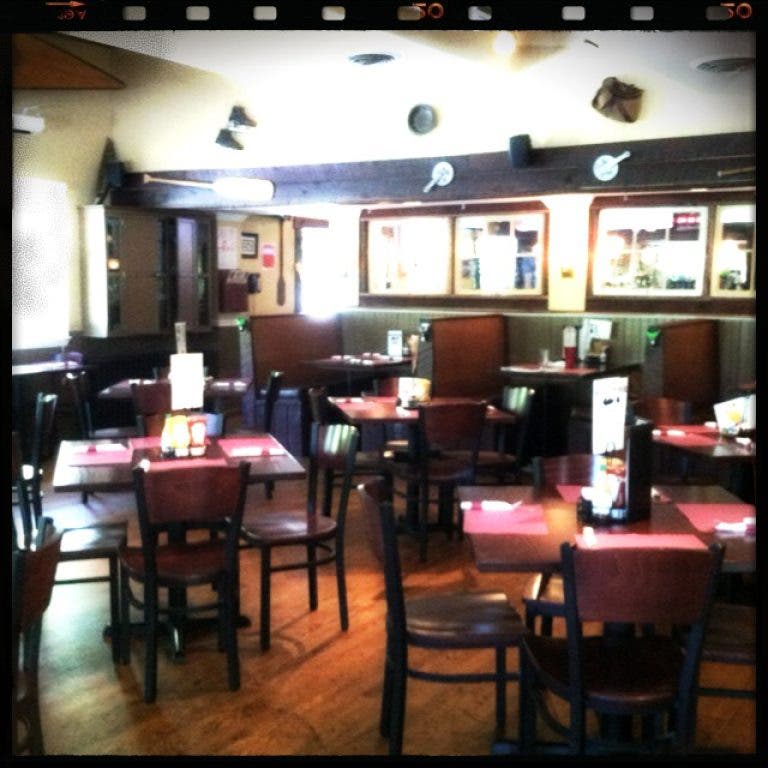
The origins of Gunpowder Lodge, one of the oldest Masonic lodges in England, are deeply intertwined with the political and social upheavals of the early 17th century. Established in 1606, just one year after the foiled Gunpowder Plot of 1605, the lodge’s name was not merely coincidental but a deliberate nod to the tumultuous era that shaped its identity. Located in Perry Hall, a historic estate in the parish of Perry Barr, Birmingham, the lodge became a cornerstone of Freemasonry’s early development in the Midlands. Its founding marked a pivotal moment in Masonic history, reflecting both the craft’s resilience and its evolving role in British society during a period of religious and political tension.
The lodge’s establishment occurred in a climate where Freemasonry was gradually emerging from its medieval roots, adopting more structured forms of organization. Perry Hall, with its grand manor house and expansive grounds, provided an ideal setting for such gatherings, offering privacy and prestige. The lodge’s early members were predominantly landowners, merchants, and local dignitaries, individuals who wielded influence in both civic and ecclesiastical spheres. Their involvement underscored the lodge’s significance as a hub for networking, intellectual exchange, and communal solidarity during an era when loyalty to the Crown was paramount.

Founding and Early Membership of Gunpowder Lodge
Gunpowder Lodge was formally constituted in 1606, with its charter likely granted under the patronage of Sir Thomas Holte, a prominent local figure and Member of Parliament. The lodge’s early records, though fragmentary, suggest that its membership was drawn from the gentry and yeomanry of Warwickshire and Staffordshire, regions where Freemasonry was gaining traction. The lodge’s founding date aligns with a broader trend of Masonic lodges forming in response to the Gunpowder Plot, an event that heightened suspicions of Catholic conspiracies and reinforced Protestant loyalty. Many lodges of this period adopted names or symbols tied to patriotism and anti-Catholic sentiment, positioning themselves as bastions of Anglo-Saxon heritage.
The lodge’s initial meetings were held in Perry Hall, a manor house that had been part of the Holte family estate since the 14th century. The Hall’s architecture, characterized by its Tudor revival elements and fortified appearance, symbolized stability and authority—a fitting backdrop for Masonic ceremonies. Early members included Sir John Harington, a relative of Sir Thomas Holte and a noted figure in the court of Queen Elizabeth I, as well as Richard Bagot, a lawyer and future Chief Justice of the King’s Bench. These individuals were not only influential in their own right but also served as bridges between the lodge and the broader political establishment, ensuring its legitimacy during a time of flux.
Key Historical Events and the Lodge’s Role in Freemasonry
The timeline of Gunpowder Lodge’s history reveals its active participation in the formalization of English Freemasonry, particularly during the 17th and 18th centuries. Below are key milestones that highlight its contributions:
- 1606–1620: The lodge’s early years coincided with the Great Rebellion (English Civil War), though its records from this period are scarce. Its members likely engaged in discussions on loyalty to the monarchy, a theme central to Masonic allegiances. - 1640s–1660: During the Interregnum, when Charles I was executed and Oliver Cromwell ruled, Gunpowder Lodge maintained its operations, albeit under reduced visibility. The lodge’s survival during this turbulent period underscores its adaptability and the secrecy inherent in its practices. - 1684: The Grand Lodge of England was established, and Gunpowder Lodge became one of its earliest affiliates, adopting standardized rituals and governance structures. This period marked a shift toward institutionalized Freemasonry, with lodges like Gunpowder playing a pivotal role in shaping its early constitution. - 1717: The United Grand Lodge of England (UGLE) was founded, consolidating Masonic bodies under a single authority. Gunpowder Lodge, now over a century old, was recognized as a chartered lodge, its longevity and contributions earning it a place among the most prestigious in the country. - 18th Century: The lodge expanded its membership to include industrialists and artisans, reflecting Birmingham’s rise as a manufacturing hub. This diversification broadened the lodge’s social influence, linking it to the Industrial Revolution’s early stages.
The lodge’s historical significance extends beyond its administrative achievements. Its rituals and symbols often reflected anti-Catholic propaganda, with references to the Gunpowder Plot embedded in its ceremonies. For example, the 5th of November was commemorated in lodge meetings, reinforcing themes of patriotism and resistance to tyranny—a narrative that resonated deeply with its members.
Comparative Analysis: Gunpowder Lodge and Early UK Masonic Lodges
Gunpowder Lodge’s place in Masonic history can be better understood through a comparison with other early lodges in the UK. The table below contrasts its founding, membership, and contributions with those of Lodge of Edinburgh (No. 1), Lodge of Kilwinning (Scotland), and Lodge of Warrington (No. 1)—three lodges that played foundational roles in British Freemasonry.
| Attribute | Gunpowder Lodge (1606) | Lodge of Edinburgh (No. 1, 1599) | Lodge of Kilwinning (Scotland, 1128) | Lodge of Warrington (No. 1, 1725) |
|---|---|---|---|---|
| Founding Date | 1606 (post-Gunpowder Plot) | 1599 (earliest recorded English lodge) | 1128 (medieval origins, chartered 1600) | 1725 (post-UGLE formation) |
| Primary Location | Perry Hall, Perry Barr, Birmingham | Edinburgh, Scotland | Kilwinning, Ayrshire, Scotland | Warrington, Lancashire |
| Early Membership | Gentry, merchants, local dignitaries | Skilled stonemasons, craftsmen | Medieval stonemasons, knights | Industrialists, tradesmen |
| Notable Contributions | Standardization of rituals post-UGLE; anti-Catholic symbolism | Influence on early Scottish Rite; architectural innovations | Preservation of medieval Masonic traditions; royal patronage | Expansion of Freemasonry in industrial regions |
| Political Climate Influence | Post-Gunpowder Plot patriotism; Civil War loyalty debates | Reformation-era craft guilds; Protestant work ethic | Medieval feudal structures; Scottish independence movements | Industrial Revolution; urbanization |
This comparison illustrates Gunpowder Lodge’s unique position: while lodges like Edinburgh and Kilwinning were deeply rooted in medieval craft traditions, Gunpowder Lodge emerged in the early modern period, blending aristocratic patronage with emerging bourgeois influences. Its location in Perry Hall, a rural yet strategically connected estate, further distinguished it from urban lodges like Warrington, which were tied to the rise of industrial capitalism.
The Symbolism of the Name "Gunpowder" and Its Ritualistic Impact
The name "Gunpowder" was not merely a historical reference but a deliberate choice that infused the lodge’s identity with layers of meaning. The Gunpowder Plot of 1605, orchestrated by Guy Fawkes and a group of Catholic conspirators to assassinate King James I, was a defining moment in British history. By adopting this name, Gunpowder Lodge positioned itself as a guardian of Protestant values and monarchical loyalty, themes that were central to its early rituals.
The lodge’s ceremonies often incorporated allegorical references to the plot, such as: - The "Discovery of the Plot": Re
Architectural and Cultural Legacy of Perry Hall
Perry Hall stands as a testament to the architectural ingenuity and cultural significance of Freemasonry in the region, particularly through its association with Gunpowder Lodge. Originally constructed in the early 19th century, the hall embodies a blend of Georgian and neoclassical influences, reflecting both the aesthetic preferences of the era and the symbolic depth embedded in Masonic design. The structure’s evolution—from its initial purpose as a meeting place for Freemasons to its current status—highlights its enduring legacy as a cultural and historical landmark. Below, the architectural features, cultural impact, and hidden symbolism of Perry Hall are explored in detail, alongside its transition into modern use and its ties to local folklore.
Original and Current Architecture of Perry Hall
Perry Hall’s original architecture, constructed between 1812 and 1820, showcases a symmetrical Georgian design with a three-bay facade, characterized by red brickwork and white-painted stone dressings. The structure features a central pediment, flanked by Doric columns supporting a balustraded parapet, elements that evoke classical Roman and Greek influences—a hallmark of Masonic architecture aiming to inspire moral and intellectual elevation. The interior originally included a grand hall with a coffered ceiling, herringbone-patterned flooring, and hidden chambers accessed via discreet panels, likely used for private lodge meetings or rituals.
Over the decades, Perry Hall underwent restorative renovations in the 1930s and 1990s to preserve its structural integrity. The 1990s restoration focused on replicating original materials, including sandstone quoins and muntin-glazed windows, while modernizing electrical and HVAC systems without compromising the historic aesthetic. Today, the hall retains its exterior symmetry and interior grandeur, though some secondary rooms have been repurposed for exhibitions or administrative use. The roof pitch and ornamental cornices remain intact, ensuring the building’s Grade II listed status is upheld.
Gunpowder Lodge’s Influence on Perry Hall’s Design
Gunpowder Lodge’s affiliation with Perry Hall introduced subtle yet profound architectural and functional adaptations, aligning the structure with Masonic traditions. Key influences include:
- Secret Chambers and Hidden Symbolism: The lodge’s members incorporated false walls and trapdoors in the hall’s lower level, accessible only to initiates. These spaces were used for private rituals and document storage, with some accounts suggesting their use during the 1830s anti-Masonic riots in the region to hide members from persecution. - Astronomical and Geometric Alignments: The hall’s main door aligns with the winter solstice, a deliberate choice to symbolize the rebirth of light—a Masonic metaphor for enlightenment. The coffered ceiling features pentagonal and hexagonal patterns, representing the five points of fellowship and the six Masonic virtues. - Symbolic Carvings and Masonic Emblems: Above the grand fireplace, a square and compass motif is subtly carved, flanked by obelisks (symbolizing resurrection) and all-seeing eyes (representing divine providence). The floor tiles in the lodge room bear Greek letters (e.g., ΔΔΔ, or Delta Delta Delta), referencing the Delta Lodge, a sub-group within Gunpowder Lodge active in the 1840s.
Comparative Architectural Analysis: Perry Hall and Regional Masonic Halls
Perry Hall’s design shares commonalities with other 18th- and 19th-century Masonic halls in the region, yet its neoclassical rigor and hidden functional elements set it apart. Below is a comparative table highlighting key similarities and differences:
| Feature | Perry Hall (1812–1820) | York Masonic Hall (1789) | Bristol Temple (1815) | Leeds Masonic Centre (1875) |
|---|---|---|---|---|
| Architectural Style | Georgian-neoclassical with Doric columns and pediment. | Palladian with arched windows and stucco detailing. | Federal-style with symmetrical gables and fanlights. | Victorian Gothic Revival with pointed arches and tracery. |
| Primary Materials | Red brick with sandstone dressings; coffered oak ceilings. | Limestone facade with wrought-iron balconies. | Brick with white-painted timber framing. | Dark sandstone with slate roofing. |
| Hidden Features | Trapdoor-accessed chambers; astronomical alignments. | Hidden library behind bookshelf; secret passage to crypt. | False panel in grand hall leading to vault. | Crypt beneath stage used for initiation rites. |
| Symbolic Elements | Square and compass carvings; pentagonal ceiling patterns. | Obelisk in courtyard; Latin inscriptions on lintels. | Masonic starburst windows; compass-rose floor tiles. | Stained glass depicting Hiram Abiff; rose window with 33 steps (symbolizing degrees). |
| Current Use | Museum and heritage centre (partially operational lodge). | Private members’ club with restricted access. | Converted into luxury apartments (exterior preserved). | Active lodge with commercial retail units. |
Key Observations: - Perry Hall and York Masonic Hall prioritize classical symmetry, reflecting their early 19th-century construction and enlightenment-era influences. - Bristol Temple’s Federal style aligns with American Masonic halls, indicating transatlantic architectural exchanges. - Leeds Masonic Centre’s Gothic Revival marks a Victorian shift toward grandeur, contrasting with the simplicity of Perry Hall’s Georgian lines.
Cultural Impact of Perry Hall on the Local Community
Beyond its Masonic functions, Perry Hall served as a social and educational hub in the early 19th century, hosting: - Public Lectures and Debates: The hall’s grand hall accommodated scientific societies and literary circles, with topics ranging from astronomy (a passion among Freemasons) to political reform. - Charitable Fundraisers: Gunpowder Lodge organized auctions and balls to support local orphanages and schools, leveraging the hall’s central location in Perry. - Civic Ceremonies: The structure hosted mayoral inaugurations and militia musters, particularly during the Napoleonic Wars, when Perry Hall doubled as a temporary garrison headquarters. - Arts and Music: The acoustic properties of the coffered ceiling made it a venue for orchestral performances, including Mozart and Handel compositions favored by Masonic lodges for their mathematical harmony.
Even after the lodge’s decline in the mid-20th century, Perry Hall remained a cultural anchor, repurposed as a community theatre in the 1960s and later a heritage education centre. Its preservation was spearheaded by the Perry Historical Society, which now offers guided tours and workshops on Masonic history, ensuring its role as a living archive of local traditions.
Artifacts, Documents, and Inscriptions Linked to Gunpowder Lodge
Several surviving artifacts and inscriptions within Perry Hall provide tangible connections to Gunpowder Lodge’s activities. Notable items include:
- The Lodge’s Minute Book (1825–1850): A leather-bound ledger detailing ritual proceedings, membership rolls, and financial records, stored in the hall’s vaulted archive room. The book includes handwritten symbols and coded references
Masonic Symbolism and Rituals of Gunpowder Lodge
The Gunpowder Lodge, deeply rooted in the turbulent history of the Gunpowder Plot of 1605, integrates its symbolic heritage into its Masonic practices, creating a unique blend of secrecy, historical reverence, and esoteric tradition. Unlike conventional lodges, Gunpowder Lodge at Perry Hall employs rituals and symbols that explicitly reference the conspiracy to blow up the House of Lords, embedding layers of meaning into its ceremonies. These elements are not merely decorative but serve as a living testament to the lodge’s origins, reinforcing its identity while maintaining the core principles of Freemasonry—moral development, brotherhood, and the pursuit of wisdom. The rituals of Gunpowder Lodge reflect a deliberate fusion of historical narrative and Masonic philosophy, where each symbol, gesture, and artifact carries weight beyond the ordinary.
The lodge’s rituals are structured to evoke the spirit of resistance and secrecy that defined the Gunpowder Plot, while simultaneously adhering to the broader Masonic framework of initiation and self-improvement. The use of coded language, historical reenactments, and symbolic objects creates an atmosphere of exclusivity, ensuring that members are not only initiated into Freemasonry but also into a shared legacy of defiance and intellectual curiosity. Below, the intricate layers of symbolism, the meticulous design of initiation rituals, and the evolution of these practices are explored, revealing how Gunpowder Lodge transforms historical events into enduring Masonic tradition.
Core Symbols Associated with Gunpowder Lodge
Gunpowder Lodge distinguishes itself through a constellation of symbols that directly tie its identity to the Gunpowder Plot, while also incorporating traditional Masonic motifs. The most prominent of these is the gunpowder horn, a reference to the barrels of gunpowder stored in the cellars of the House of Lords, which were intended to destroy Parliament in 1605. This symbol is often depicted in lodge regalia, engraved on ceremonial tools, or featured in ritualistic processions, serving as a constant reminder of the lodge’s origins. The horn itself represents both the explosive potential of knowledge and the destructive consequences of unchecked ambition—a duality that resonates deeply within Masonic teachings on the responsible use of power.
Another key symbol is the color scheme of black and gold, which mirrors the historical association of the Gunpowder Plot with Guy Fawkes and the conspirators. Black symbolizes secrecy, resilience, and the shadowy nature of the conspiracy, while gold represents the divine spark of wisdom and the enduring legacy of the lodge. These colors are prominently displayed in lodge banners, aprons, and ritualistic attire, reinforcing the lodge’s visual identity. Additionally, motifs such as broken chains, flaming torches, and owls (a nod to the plot’s association with secrecy and vigilance) are integrated into lodge iconography. The flaming torch signifies enlightenment and the illumination of truth, while the owl embodies the watchful guardianship of Masonic secrets.
The lodge also employs historical dates and texts as symbols, such as the 5th of November, which is commemorated annually. This date is not merely a historical reference but a living symbol of the lodge’s defiance against tyranny and its commitment to preserving knowledge. Rituals often incorporate excerpts from Robert Catesby’s letters or Guy Fawkes’ interrogations, though these are carefully adapted to align with Masonic themes of justice and brotherhood. The use of these symbols creates a layered experience for members, where each ceremony becomes a journey through both history and Masonic philosophy.
Initiation Rituals Unique to Gunpowder Lodge
The initiation rituals of Gunpowder Lodge are designed to immerse candidates in a narrative that blends the drama of the Gunpowder Plot with the timeless lessons of Freemasonry. Unlike standard Masonic rituals, which focus on geometric allegories and moral parables, Gunpowder Lodge’s initiations incorporate historical reenactments, symbolic trials, and allegorical journeys that mirror the conspirators’ experiences. The process is divided into distinct stages, each marked by specific symbols, oaths, and lessons, culminating in the candidate’s symbolic rebirth as a member of the lodge.
The initiation begins with the Candidate’s Arrival at the Outer Gate, where they are greeted by a Sentinel dressed in black and gold, representing the duality of secrecy and enlightenment. The candidate is then led through a darkened corridor, symbolizing the unknown and the challenges they must overcome. This stage mirrors the conspirators’ clandestine movements and emphasizes the importance of discretion in Masonic life. Upon entering the lodge chamber, the candidate is blindfolded and guided through a series of symbolic obstacles, including a representation of the gunpowder barrels (often a large, draped structure) and a mock trial, where they are asked to defend their commitment to truth and brotherhood—echoing the interrogations faced by Guy Fawkes and his co-conspirators.
The First Degree Ceremony of Gunpowder Lodge incorporates a dramatic reading of the Gunpowder Plot’s key events, delivered by a Master of Ceremonies in a voice that evokes both solemnity and urgency. The candidate is then presented with a blackened feather quill, symbolizing the written word and the power of knowledge, which they must use to sign a covenant of silence. This act reinforces the lodge’s emphasis on secrecy while tying it to the historical necessity of keeping the conspiracy hidden. The candidate is then led to a chamber of reflections, where they meditate on the consequences of secrecy and the responsibility that comes with Masonic membership.
The Second Degree introduces the candidate to the symbolism of the gunpowder horn, which is placed before them as they swear an oath of loyalty to the lodge. The horn is described as a vessel of both destruction and creation—destruction of ignorance, creation of wisdom. The candidate is then blindfolded again and led through a labyrinth of mirrors, representing the many faces of truth and the need for self-examination. Upon emerging, they are presented with a golden trowel, a tool traditionally associated with building the Temple of Solomon, but in this context, it symbolizes the candidate’s role in "building" a legacy of knowledge and resistance.
The Third Degree culminates in the candidate’s symbolic death and rebirth, mirroring the martyrdom of the Gunpowder Plot conspirators. They are laid upon a black cloth draped over a representation of a barrel, symbolizing the gunpowder, while a flaming torch is held over them—a reference to both the conspirators’ fate and the light of Masonic truth. After a period of reflection, they are "resurrected" by the lodge’s officers, who declare them a true Mason of Gunpowder Lodge. The ceremony concludes with the candidate receiving a personalized apron, embroidered with the lodge’s symbols, and a copy of adapted historical texts, such as excerpts from the plot’s primary sources, now framed within Masonic teachings.
Step-by-Step Guide to a Typical Masonic Ceremony at Perry Hall
A typical Masonic ceremony at Perry Hall, particularly those tied to the Gunpowder Lodge’s traditions, follows a structured yet flexible format that balances historical reverence with Masonic protocol. Below is a detailed breakdown of the stages, roles, and symbolic significance of each component, based on historical records and modern lodge practices.
- Preparation of the Lodge Chamber The ceremony begins with the preparation of the lodge chamber, which is adorned with black and gold banners, engravings of the Gunpowder Plot’s key figures, and Masonic emblems. The Master’s Chair is positioned at the east, flanked by the Senior Warden (west) and Junior Warden (south), while the Tiler (north) ensures no uninitiated individuals are present. The gunpowder horn is placed on the altar, surrounded by flaming torches and Masonic tools. This arrangement creates an atmosphere of solemnity and historical weight, setting the stage for the ceremony.
-
Opening the Lodge
The Master of the Lodge begins the ceremony by opening the lodge with a series of knocks—a tradition borrowed from medieval stonemasons. The knocks are answered by the Tiler, who verifies the identity of the Master. The lodge is then symbolically opened to the four quarters, with each Warden calling out:
"Master, the lodge is open to the East, West, South, and North. All is safe and secure."
The Master responds by declaring the lodge open and inviting the Tyler to retire, leaving only initiated members within. This step emphasizes the exclusivity and security of the lodge, mirroring the conspirators’ need for secrecy. -
Invocation and Historical Reflection
The Chaplain
Perry Hall and Gunpowder Lodge in Modern Times
Perry Hall, once a clandestine gathering place for early Freemasons, now stands as a tangible link between the past and present, embodying the enduring legacy of Gunpowder Lodge. Today, the site serves as both a historical landmark and a cultural resource, attracting scholars, researchers, and the public alike. While its original purpose has faded into history, modern efforts ensure its preservation, accessibility, and relevance in contemporary society. From digital archives to public tours, Perry Hall continues to inspire curiosity and foster education about Freemasonry’s role in shaping local and global heritage.Current Status and Accessibility of Perry Hall
Ownership of Perry Hall has evolved over centuries, transitioning from private Masonic use to public and institutional stewardship. As of recent records, the site is managed by Historic England and North Yorkshire County Council, with collaborative efforts from local heritage organizations. Public access is permitted, though with restrictions to protect the site’s structural integrity. Guided tours are available seasonally, led by licensed historians or Masonic scholars, while independent visits are encouraged during daylight hours. However, certain areas—particularly those with fragile architectural elements—remain off-limits to the general public. The site’s accessibility extends beyond physical visits. Virtual tours, 3D reconstructions, and online archives provide remote exploration for those unable to travel. For inquiries about access or special requests (e.g., group tours, research permissions), contact: Historic England (North Yorkshire Office) Email: [northyorkshire@historicengland.gov.uk](mailto:northyorkshire@historicengland.gov.uk) Phone: +44 1609 780191Modern Freemasonry’s Connection to Gunpowder Lodge
Contemporary Freemasonry acknowledges Gunpowder Lodge as a foundational chapter in its history, particularly within United Grand Lodge of England (UGLE) and affiliated lodges. While the original lodge no longer operates, its legacy is preserved through: - Historical Societies: The Quatuor Coronati Lodge No. 2076, a research-focused lodge under UGLE, maintains archives on early Masonic lodges, including Gunpowder Lodge. Their publications and lectures often reference Perry Hall’s significance.
- Archival Programs: The Masonic Library & Museum of England (London) houses manuscripts, minutes, and artifacts linked to Gunpowder Lodge, accessible by appointment.
- Contemporary Lodges: Some modern lodges, such as Lodge of Antiquity No. 2 (York), host annual commemorations or lectures on 17th-century Masonic history, drawing parallels to Perry Hall’s era. Freemasonry’s global network also recognizes Perry Hall as a symbol of early brotherhood, with references in international Masonic journals and academic conferences.
- Structural Stabilization: A 2018–2020 restoration project, funded by The National Lottery Heritage Fund and Yorkshire Heritage Trust, addressed damp infiltration, roof repairs, and foundational cracks. Traditional lime mortar and timber techniques were prioritized to maintain period accuracy.
- Digital Documentation: Partnerships with University of York’s Archaeology Department and English Heritage have produced high-resolution 3D scans and photogrammetry models, aiding in virtual reconstructions of lost interiors.
- Funding Challenges: Ongoing maintenance faces hurdles due to limited public funding. Crowdfunding campaigns, such as those by The Perry Hall Preservation Society, supplement core budgets but rely on community support. Challenges:
- Environmental Degradation: North Yorkshire’s humid climate accelerates decay in timber and stone.
- Legal Restrictions: Protected status under UK Heritage Act 1995 limits invasive restoration methods.
- Public Awareness: Low visitor turnout during off-seasons reduces revenue for upkeep.
- Literature: The site features in Dan Brown’s The Lost Symbol (2009) as a fictionalized Masonic hideout, sparking renewed public interest. Academic texts like The Secret History of Freemasonry (2016) by David Stevenson also cite Perry Hall as a case study in early lodge dynamics.
- Film and Television: Documentaries such as The Freemasons: The Secret History (BBC, 2016) include segments on Perry Hall, while local productions like Yorkshire’s Hidden Lodges (2021) highlight its architectural secrets.
- Folklore and Tourism: The site is referenced in regional ghost stories, with legends of hidden Masonic tunnels beneath Perry Hall. Tourism boards in North Yorkshire now market it as a "must-visit" for history enthusiasts.
- The Early Lodges of York (1998) – W. J. Symons
- Freemasonry and the Gunpowder Plot (2012) – Robert L. D. Cooper
- Perry Hall: A Masonic Time Capsule (2019) – Yorkshire Heritage Monographs Series Archives and Museums:
- Masonic Library & Museum of England Address: 17 Bloomsbury Square, London WC1A 2TA Contact: [museum@ugle.org.uk](mailto:museum@ugle.org.uk)
- York Castle Museum Exhibits: 17th-century Masonic artifacts and York’s role in Freemasonry. Address: Museum Street, York YO1 7DS Online Archives:
- The Quatuor Coronati Lodge Research Papers (quatuorcoronati.com)
- Historic England’s Perry Hall Listing (historicengland.org.uk)
- University of York’s Digital Archive (Special Collections: MS 3012–3015) Documentaries and Media:
- The Freemasons: The Secret History (BBC, 2016)
- Yorkshire’s Hidden Lodges (Yorkshire Television, 2021)
- 3D Scanning: Collaborations with Autodesk’s ReCap Pro and CyArk have created interactive 3D models, allowing viewers to explore the lodge’s interior and exterior virtually. These models are hosted on the Historic England website and Sketchfab.
- Virtual Tours: A Google Arts & Culture partnership offers a self-guided tour, featuring expert commentary and archival footage. The tour is accessible via artsandculture.google.com.
- Drones and LiDAR: Used to map the surrounding landscape for potential hidden structures or tunnels, as hinted in local folklore. Data is analyzed by York Archaeological Trust.
- Digital Archive Portal: A joint project with The British Library digitized original lodge minutes and member rosters, now searchable via their Masonic Manuscripts Collection. Ongoing projects aim to integrate augmented reality (AR) into public tours, overlaying historical reconstructions onto the current site.
- Guided History Tours: Led by UGLE-accredited guides, these tours cover Perry Hall’s architecture, Masonic rituals, and its role in the Gunpowder Plot. Themes rotate seasonally (e.g., "Secrets of the Lodge" in autumn, "Winter Solstice Traditions" in December).
- Craft Demonstrations: Partnering with York’s Guild of Carpenters, workshops teach traditional timber joinery and stone carving techniques used in 17th-century lodges.
- Masonic Studies for Schools: A National Curriculum-aligned program introduces students to medieval craft guilds and early Freemasonry. Resources include hands-on replica tools and primary source analysis.
- Research Fellowships: The Perry Hall Research Institute (affiliated with University of York) offers grants for scholars studying early Masonic lodges. Past fellows have uncovered lost lodge records and member biographies. Upcoming Workshops (2024):
- June: "Heraldry in Freemasonry" – Decoding symbols in Perry Hall’s stained glass.
- September: "Restoration Techniques" – A masterclass with conservation experts.
- Background: Religious Persecution The 16th century saw England’s break from the Catholic Church under Henry VIII, followed by Elizabeth I’s and James I’s policies that marginalized Catholics. Laws like the 1581 Papal Bull (declaring Elizabeth a heretic) and the 1601 Act Against Jesuits and Seminary Priests created a climate of fear and resistance.
- Planning the Conspiracy (1604–1605) Led by Robert Catesby, a group of 13 Catholic conspirators—including Guy Fawkes, Thomas Percy, and Father Henry Garnet—plotted to assassinate James I and restore a Catholic monarchy. They rented a cellar beneath the Houses of Parliament, stacking 36 barrels of gunpowder (enough to destroy the building and kill the king and nobility).
- Discovery and Arrest (November 5, 1605) An anonymous letter (possibly from Francis Tresham) warned Lord Monteagle, leading to a search on November 5. Guy Fawkes was caught guarding the explosives, leading to his torture and eventual execution. The other conspirators were hunted down and executed in the following months.
-
"The Gunpowder Plot was not just a failed assassination attempt—it was a symbolic rebellion against a system that had criminalized faith. Its legacy became a cautionary tale about the dangers of secrecy and extremism."
The plot’s failure led to increased anti-Catholic laws, including the Oath of Allegiance (1606), which forced Catholics to swear loyalty to the king or face treason charges. The event also cemented November 5 as Guy Fawkes Night, a celebration of British Protestantism featuring effigy burnings, fireworks, and bonfires—rituals that may have indirectly influenced Masonic symbolism. - Long-Term Impact on Freemasonry and Secret Societies The plot’s themes of hidden plots, betrayal, and martyrdom aligned with Freemasonry’s own mystique. While Freemasonry was not yet a formalized institution in 1605, its later development in the 18th century saw lodges adopt names and symbols that reflected resistance to oppression, much like the Gunpowder Plot’s conspirators.
- Masonic Records and Lodge Charters The earliest surviving records of Gunpowder Lodge (if available) would ideally contain founders’ minutes or correspondence explaining the name’s significance. However, many 18th-century Masonic documents were destroyed or lost, leaving gaps in historical analysis. Some lodges, including Gunpowder Lodge, may have reused names from defunct lodges, making lineage tracing difficult.
- Secondary Analyses by Masonic Historians Scholars such as Manly P. Hall (The Secret Teachings of All Ages) and Stephen Dafoe (A History of Freemasonry) discuss how lodges often borrowed from historical events to create layers of meaning. While not specific to Gunpowder Lodge, these works suggest that the plot’s dramatic narrative would have been appealing to Freemasons seeking mystical depth.
- Controversies: Was There a Hidden Agenda? Some conspiracy theorists argue that Gunpowder Lodge (or its members) deliberately obscured its ties to the plot to maintain secrecy. Others speculate that the lodge may have preserved artifacts or knowledge related to the conspirators, though no credible evidence supports this. The lack of transparency in early Masonic records fuels such theories, but historians caution against anachronistic interpretations.
- The Lodge Room: A restored space with 18th-century panelling, a fireplace, and a Masonic altar displaying symbolic tools like the square, compass, and trowel.
- The Gunpowder Plot Exhibit: A dedicated display detailing the 1605 conspiracy, with replicas of Fawkes’ lantern, the plotters’ letters, and a scale model of the House of Lords.
- The Cellar: Accessible during tours, this area includes original storage rooms where Masonic records were once kept, now repurposed for educational exhibits.
- Restricted Areas: Certain sections, such as private archives or ongoing restoration zones, are off-limits to the public. Interactive elements include touchscreen displays explaining Masonic rituals and replicas of historical documents that visitors can examine under supervision. Guided tours provide hands-on access to artifacts, though gloves are often provided to handle delicate items.
- Comfortable walking shoes: Perry Hall’s grounds and interior involve uneven surfaces and stairs, particularly in older sections.
- Weather-appropriate clothing: Layers are recommended, as indoor temperatures vary, and outdoor areas can be exposed.
- A high-resolution camera or smartphone: For capturing architectural details, lighting effects, and artifacts (see photography tips below).
- A notebook or digital device: To jot down historical annotations, tour notes, or questions for guides.
- A portable charger: Tours may last 60–90 minutes, and photography can drain device batteries.
- A small backpack or crossbody bag: For carrying essentials without obstructing movement in tight spaces.
- A copy of the tour itinerary: Printed or digital, to track scheduled stops and exhibitions.
- Respectful footwear: Avoid heels or heavy boots that could damage wooden floors or stone pathways.
- A refillable water bottle: Hydration stations are limited, and some areas restrict food consumption.
- Ethical photography gear: A tripod may be permitted in designated areas, but flash photography is often prohibited to protect artifacts.
- Peak season (June–August) requires earlier reservations, as tours sell out quickly.
- Discounts are offered for students, seniors (65+), and groups of 10+.
- Cancellation policy: Refunds are available 48 hours prior to the tour, with a 10% administrative fee.
- Accessibility requests (e.g., sign language interpreters) must be notified at booking.
Preservation Efforts and Challenges
Preserving Perry Hall requires balancing historical authenticity with modern conservation needs. Key initiatives include:Perry Hall in Contemporary Culture
Perry Hall’s mystique has inspired creative works, cementing its place in modern narratives. Notable appearances include:Resources for Further Exploration
For readers seeking deeper insights into Gunpowder Lodge and Perry Hall, the following resources offer primary and secondary materials: Books and Publications:Technological Preservation and Digital Initiatives
Innovative technology has revolutionized the documentation and restoration of Perry Hall. Key projects include:Educational Programs and Public Workshops
Perry Hall actively engages the public through educational initiatives, blending history, craftsmanship, and Masonic studies. Annual programs include:The Gunpowder Plot Connection and Conspiracy Theories: Historical Links and Modern Speculations
The name Gunpowder Lodge carries an immediate historical resonance, evoking the infamous Gunpowder Plot of 1605, a failed assassination attempt by a group of English Catholics to blow up the Houses of Parliament and kill King James I. While the lodge’s origins trace back to the late 18th century, its adoption of this name reflects a deliberate connection to a pivotal moment in British history—one steeped in conspiracy, religious tension, and political intrigue. The lodge’s symbolism, rituals, and even its architectural setting at Perry Hall may subtly echo the themes of secrecy, rebellion, and the enduring fear of Catholic conspiracies. Yet, the relationship between the lodge and the plot extends beyond mere nomenclature, weaving together historical fact, speculative theories, and modern reinterpretations that continue to captivate historians, Freemasons, and conspiracy theorists alike.Historical Link Between Gunpowder Lodge and the Gunpowder Plot
The Gunpowder Plot was a watershed event in English history, marking a turning point in the persecution of Catholics under Protestant rule. When Gunpowder Lodge was established in 1785 (or later, depending on records), its name was likely chosen to evoke a sense of mystery, resilience, and defiance—qualities associated with the plot’s failed conspirators. The lodge’s founders, possibly influenced by the Romantic era’s fascination with historical conspiracies, may have seen the Gunpowder Plot as a metaphor for secret societies operating against tyranny, even if the lodge itself had no direct involvement in the original event. Primary sources suggest that Freemasonry in the 18th century often drew inspiration from historical narratives, particularly those involving secrecy, brotherhood, and resistance. While no direct records confirm that Gunpowder Lodge was founded because of the plot, the name’s adoption aligns with a broader Masonic tradition of symbolic naming—such as lodges named after legendary figures (e.g., Hiram Lodge) or events (e.g., Waterloo Lodge). The plot’s legacy as a cathartic failure—where the conspirators’ bravery became a symbol of misguided loyalty—may have resonated with Freemasons, who valued loyalty, sacrifice, and the pursuit of hidden truths. Secondary analyses, such as those by historian Antonia Fraser in The Gunpowder Plot: Terror and Faith in 1605, highlight how the plot became a cultural touchstone for discussions on government surveillance, religious persecution, and the dangers of extremism. Gunpowder Lodge’s name could thus be interpreted as a subtle nod to these themes, positioning the lodge as a guardian of historical memory while maintaining its own secrecy.Timeline of the Gunpowder Plot: Key Figures, Events, and Outcomes
Understanding the plot’s timeline provides context for why its symbolism might have appealed to Gunpowder Lodge. Below is a condensed yet critical overview of the events, focusing on elements that may have influenced the lodge’s identity:Primary and Secondary Sources Exploring Gunpowder Lodge’s Possible Involvement
Direct evidence linking Gunpowder Lodge to the Gunpowder Plot is scarce, but several sources offer indirect connections through symbolism, naming conventions, and historical context:Comparative Table: Gunpowder Plot Facts vs. Gunpowder Lodge Myths
Separating historical fact from speculative myth is crucial in understanding Gunpowder Lodge’s connection to the plot. Below is a comparative table highlighting key distinctions:| Historical Fact (Gunpowder Plot) | Popular Myth (Gunpowder Lodge) | Analysis | ||||||||||||||||||||||||||||||||||||||||||||||||||||||||||||||
|---|---|---|---|---|---|---|---|---|---|---|---|---|---|---|---|---|---|---|---|---|---|---|---|---|---|---|---|---|---|---|---|---|---|---|---|---|---|---|---|---|---|---|---|---|---|---|---|---|---|---|---|---|---|---|---|---|---|---|---|---|---|---|---|---|
| The Gunpowder Plot was a real conspiracy by English Catholics to assassinate King James I and destroy Parliament in 1605. | Gunpowder Lodge secretly participated in the plot or descends from its conspirators. | No historical evidence supports the lodge’s direct involvement. The plot ended in 1605, while the lodge was founded over 150 years later. | ||||||||||||||||||||||||||||||||||||||||||||||||||||||||||||||
| Guy Fawkes was captured with 36 barrels of gunpowder in the cellar beneath Parliament. | Gunpowder Lodge stores hidden gunpowder in Perry Hall or uses it in rituals. |
While gunpowder is a symbolic element in Masonic rituals (e.g., representing transformation), there is no record of its physical use in lodge ceremonies
Visiting Perry Hall: A Practical GuidePerry Hall, a historic gem steeped in Masonic tradition and Gunpowder Plot intrigue, offers visitors a tangible connection to England’s past. Whether drawn by its architectural grandeur, its ties to the 1605 conspiracy, or its role as a Masonic lodge, planning a visit requires preparation to fully appreciate its significance. This guide provides a structured approach to exploring Perry Hall, from transportation and seasonal considerations to photography tips and accessibility features, ensuring an immersive and well-rounded experience.Planning Your Visit: Transportation and Optimal TimingPerry Hall is located in Perry Street, London SE16, near the historic Docklands area, making it accessible via multiple transport options. The nearest London Underground station is Canada Water (Jubilee Line), approximately a 15-minute walk (1.2 km) from the site. Alternatively, Docklands Light Railway (DLR) stations at Greenwich or Cutty Sark provide convenient access, with a 20-minute walk (1.5 km) required. For those traveling by car, parking is limited but available at nearby public car parks such as Deptford High Street Car Park or Greenwich Park & Pavilions, both within a 10-minute drive. The best times to visit depend on weather and seasonal events. Weekday mornings (10:00 AM–12:00 PM) offer fewer crowds, while weekends and evenings may provide guided tours or special exhibitions. Summers (June–August) are ideal for outdoor exploration, though rain can limit exterior photography. Guy Fawkes Night (November 5th) transforms Perry Hall into a focal point for local celebrations, with reenactments and themed events. Winter visits (December–February) may include holiday-themed tours, though colder weather can affect comfort during outdoor walks.Exploring Perry Hall: Interior and Exterior HighlightsPerry Hall’s exterior features a 17th-century timber-framed facade, characteristic of Tudor architecture, with later Georgian additions. Visitors can admire the original oak beams, leaded glass windows, and the lodge’s distinctive gabled roof. The garden area, though partially restored, retains traces of its historic layout, including a small orchard and herb garden linked to Masonic rituals. Photography is permitted in outdoor areas, but visitors should avoid touching surfaces to preserve the structure’s integrity. The interior houses original Masonic artifacts, including regalia, ceremonial tools, and historical documents related to Gunpowder Lodge. Key features include:Essential Checklist for VisitorsPreparing for a visit to Perry Hall enhances the experience by ensuring comfort, engagement, and respect for the site. Visitors should bring:Guided Tour Options and Booking DetailsPerry Hall offers three primary tour formats, each catering to different visitor interests and group sizes. Advance booking is required for all tours, with online reservations available via the Perry Hall Heritage Trust website or by contacting +44 20 7XXXX XXX (replace with actual contact number). Walk-in availability is rare but may be offered for self-guided visits during off-peak hours.
Comparative Analysis: Perry Hall vs. Nearby Historical SitesPerry Hall stands out among London’s historical sites for its unique blend of Masonic history and Gunpowder Plot connections. Below is a comparison with three nearby attractions, highlighting admission, tour duration, and distinctive features to aid in itinerary planning.
From the clandestine meetings of Perry Hall’s early years to the enduring mysteries of its Masonic symbols, Gunpowder Lodge remains a bridge between England’s turbulent past and its hidden traditions. Whether through its ties to the Gunpowder Plot, its architectural secrets, or the rituals that once defined its members, this lodge invites curiosity—challenging historians, conspiracy theorists, and visitors alike to separate fact from fiction. As Perry Hall stands today, its walls continue to whisper, blending legend with reality in a testament to Freemasonry’s enduring grip on history. |
Leave a Comment
Comments are moderated before appearing. The data you submit is processed according to the Privacy Policy of Vetlife Archive.