Brackenridge Park San Antonio Unveils Urban Nature’s Heart
Table of Contents
- Brackenridge Park: Historical Foundations and Evolution as San Antonio’s Urban Oasis
- Architectural Landmarks: Blending Culture, Nature, and Education
- Exploring the Natural Beauty and Ecosystems of Brackenridge Park
- Diverse Flora: Native Species, Seasonal Blooms, and Protected Plants
- Ecosystems of Brackenridge Park and Their Ecological Importance
- Wildlife in Brackenridge Park: A Biodiversity Hotspot
- Conservation Efforts: Protecting Brackenridge Park’s Natural Habitats
- Optimal Times for Wildlife Viewing and Floral Displays
- Recreational Activities and Family-Friendly Attractions in Brackenridge Park
- Categorized Recreational Activities and Recommended Trails
- Family-Friendly Attractions and Educational Value
- Amenities for Visitors: Accessibility and Convenience
- Comparison of Visitor Amenities: Brackenridge Park vs. Nearby Parks
- Seasonal Events and Festivals
- Historical Landmarks and Cultural Significance Within Brackenridge Park
- Architectural and Historical Landmarks
- Cultural Events and Performances Timeline
- Multiculturalism and Community Preservation
- Comparative Analysis: Brackenridge Park’s Cultural Offerings
- Self-Guided Historical Walking Tour
- Planning Your Visit to Brackenridge Park: Practical Tips and Insider Guides
- Optimal Visiting Times and Seasonal Considerations
- Transportation and Parking Options
- Practical Visitor Preparation and Safety Measures
- Accessibility Features and Inclusive Visitor Services
- Sample Itinerary for a Full-Day Visit
- Photography and Scenic Spots: Capturing the Essence of Brackenridge Park
- Iconic and Hidden Photogenic Locations
- Composition Techniques for Landscape and Wildlife Photography
- Comparative Analysis: Brackenridge Park vs. Other Texas Parks
- Time-Lapse and Drone Photography: Techniques and Legalities
- Photography Workshops and Events in Brackenridge Park
- Conservation, Challenges, and the Future of Brackenridge Park
- Ongoing Conservation Efforts and Sustainable Initiatives
- Major Threats to Brackenridge Park’s Ecosystems and Mitigation Strategies
- Community Involvement and Public-Private Partnerships
- Adapting to Climate Change: Innovative Strategies
- Upcoming Projects and Expansions
- How Readers Can Support Brackenridge Park’s Conservation
Spanning over 385 acres along the San Antonio River, Brackenridge Park stands as a living testament to the city’s past and future, where history and nature intertwine seamlessly. Established in the 19th century as a visionary green space, the park has evolved from a modest landscape into a vibrant cultural and ecological hub, drawing over 5 million visitors annually. Its rolling hills, serene wetlands, and iconic landmarks like the Japanese Tea Garden and Witte Museum reflect a harmonious blend of urban planning and natural preservation, making it a cornerstone of San Antonio’s identity.
The park’s significance extends beyond its scenic beauty, serving as a sanctuary for diverse ecosystems and a stage for community celebrations. From seasonal festivals that light up the evenings to conservation efforts protecting endangered species, Brackenridge Park embodies the essence of an urban oasis. Its strategic location in the heart of the city transforms it into more than just a recreational spot—it is a symbol of sustainability, education, and civic pride. Whether visitors seek adventure along its trails or quiet reflection by the river, the park offers an experience that resonates with both locals and travelers alike.

Brackenridge Park: Historical Foundations and Evolution as San Antonio’s Urban Oasis
Established in 1899, Brackenridge Park stands as a testament to San Antonio’s commitment to preserving green spaces amid urban growth. Originally conceived as a public park by George Wilbur Brackenridge, a prominent local civic leader, the park was envisioned as a recreational haven for residents and a symbol of the city’s progress. Initially spanning 155 acres along the banks of the San Antonio River, its creation reflected the late 19th-century movement to integrate nature into rapidly expanding cities. Over the decades, the park has undergone significant transformations—expanding to its current 351 acres, incorporating cultural landmarks, and evolving into a multifaceted destination that blends natural beauty with educational and leisure opportunities.

The park’s development mirrors San Antonio’s own journey, from a frontier settlement to a modern metropolis. Key milestones in its history include the 1905 addition of the Japanese Tea Garden, a gift from the Imperial Government of Japan, which remains one of the oldest in the United States. The 1920s saw the construction of the Witte Museum, originally the San Antonio Public School, repurposed as a natural history museum. The 1930s brought the San Antonio Zoo, initially a small collection of animals, which has since grown into a world-class facility. More recent expansions, such as the 2010s renovation of the River Walk and the addition of the McNay Art Museum’s nearby satellite exhibits, further cemented the park’s role as a cultural and ecological cornerstone.
Geographically, Brackenridge Park occupies a prime location in the heart of San Antonio, bordered by the San Antonio River to the east and Downtown to the west. Its strategic placement makes it accessible to over 1.5 million annual visitors, serving as a vital green lung in a city where urban density often overshadows natural spaces. The park’s layout includes meandering trails, lush gardens, historic bridges, and open meadows, offering a stark contrast to the city’s architectural skyline. Its proximity to the Pearl District, the River Walk, and the Hemisfair Park enhances its connectivity, making it a natural gathering point for both locals and tourists.
"Brackenridge Park is more than just a park—it’s the heartbeat of San Antonio’s identity. From its early days as a recreational escape to its current role as a cultural and ecological hub, the park has been instrumental in shaping the city’s character and fostering community spirit." — Dr. Ricardo Romo, Historian and Former President of the University of Texas at San Antonio
| Park | Location | Size (Acres) | Key Features | Annual Visitors (Est.) |
|---|---|---|---|---|
| Brackenridge Park | San Antonio, TX | 351 | Japanese Tea Garden, Witte Museum, San Antonio Zoo, River Walk trails, McNay Art Museum exhibits | 1.5 million |
| Hermann Park | Houston, TX | 448 | Museum District, Houston Zoo, Miller Outdoor Theatre, Hermann Park Golf Course | 10 million |
| Klyde Warren Park | Dallas, TX | 11 | Urban plaza, food trucks, live music, public art installations, Klyde Warren Park Conservancy events | 4 million |
| Trinity River Audubon Center | Dallas, TX | 665 | Nature trails, wildlife observation, education programs, riverfront access | 250,000 |
The park’s cultural impact extends beyond its physical boundaries, embedding itself in San Antonio’s social fabric. It has hosted centuries of community events, from Fourth of July fireworks and Christmas light displays to farmers’ markets and outdoor concerts. The Japanese Tea Garden, with its serene koi ponds and traditional architecture, attracts visitors seeking tranquility, while the Witte Museum draws history enthusiasts with its exhibits on Texas natural history and culture. The San Antonio Zoo, one of the largest in the nation, offers educational programs that engage over 1 million visitors annually, reinforcing the park’s role as a hub for learning and conservation.
As a tourism magnet, Brackenridge Park contributes significantly to San Antonio’s economy, with seasonal events like the San Antonio Livestock Show & Rodeo and the Holiday Lights at the Briscoe Western Art Museum drawing crowds year-round. Its proximity to historic landmarks such as the Alamo and the Mission Trail makes it a convenient stop for tourists exploring the city’s rich heritage. Data from the San Antonio Convention & Visitors Bureau indicates that over 60% of out-of-town visitors include Brackenridge Park in their itineraries, underscoring its status as a must-visit destination.
Architectural Landmarks: Blending Culture, Nature, and Education
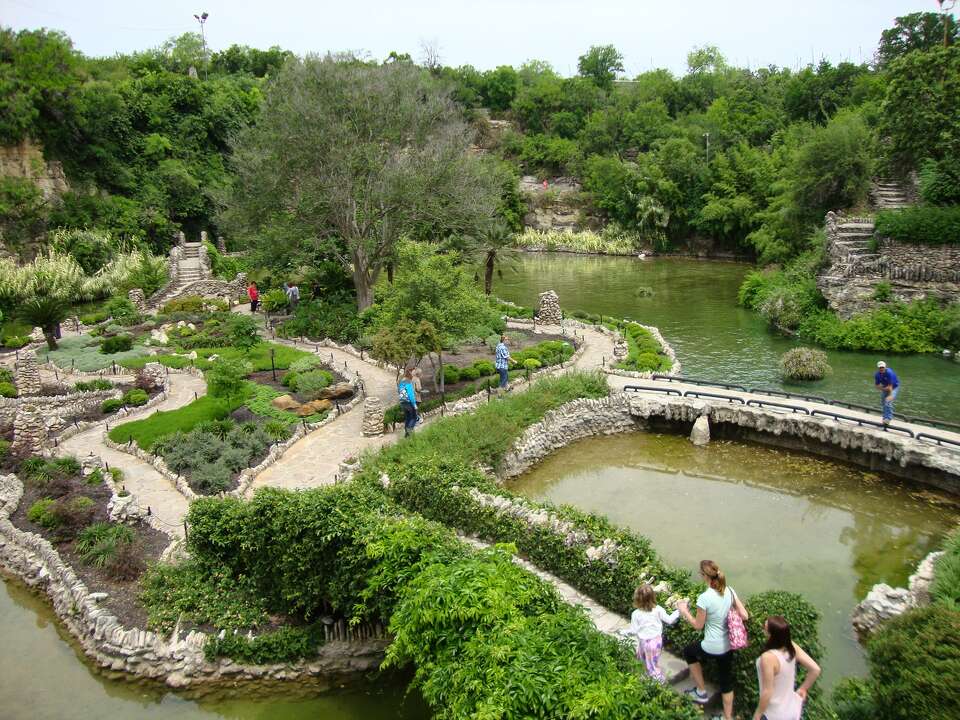
Brackenridge Park’s significance is further amplified by its iconic landmarks, each contributing uniquely to its ecosystem. The Japanese Tea Garden, established in 1906, is a National Historic Landmark and a rare example of Meiji-era Japanese landscape design outside Asia. Its lantern-lit paths, waterfalls, and cherry blossoms create a peaceful retreat, particularly during spring festivals when visitors flock to witness the sakura season. The garden’s preservation reflects San Antonio’s historical ties to Japanese immigration in the early 20th century and its enduring cultural exchange.
The Witte Museum, originally built in 1921 as a public school, underwent a $50 million renovation in 2014 to become a state-of-the-art natural science and history museum. Its exhibits, including dinosaur fossils, Texas wildlife displays, and interactive children’s galleries, attract over 200,000 visitors annually. The museum’s outdoor science park and planetarium extend its educational reach, making it a cornerstone of San Antonio’s STEM community.
The San Antonio Zoo, founded in 1913, has grown from a modest collection of 12 animals to a 170-acre facility housing 3,200 animals across 650 species. Its conservation programs, such as the giant panda breeding initiative, have earned international recognition. The zoo’s Night Safari and Gondola Ride offer immersive experiences, while its education initiatives serve 50,000+ students annually, fostering environmental stewardship.
Together, these landmarks transform Brackenridge Park into a multidimensional destination, where visitors can explore history, engage with nature, and participate in cultural traditions—all within a single visit.
Exploring the Natural Beauty and Ecosystems of Brackenridge Park
Brackenridge Park stands as a vibrant testament to the resilience and diversity of Texas ecosystems, seamlessly blending urban accessibility with untouched natural splendor. Within its 350 acres, the park preserves a mosaic of habitats that support an extraordinary array of flora and fauna, making it a critical refuge for both native species and migratory wildlife. The interplay of woodlands, wetlands, and prairie landscapes not only enhances the park’s ecological value but also serves as a living classroom for visitors eager to understand the delicate balance of urban biodiversity.
The park’s ecological significance extends beyond its borders, contributing to improved air and water quality while offering a sanctuary for species threatened by habitat fragmentation. Through strategic conservation initiatives, Brackenridge Park mitigates environmental challenges such as invasive species proliferation and climate change, reinforcing its role as a cornerstone of San Antonio’s sustainability efforts.
Diverse Flora: Native Species, Seasonal Blooms, and Protected Plants
Brackenridge Park’s botanical richness is anchored by over 200 documented plant species, including rare and endangered varieties that thrive in its varied microclimates. Native Texas flora dominates the landscape, with species like Texas Madrone (Arbutus xalapensis), Eastern Red Cedar (Juniperus virginiana), and American Beautyberry (Callicarpa americana) providing year-round interest. Seasonal blooms transform the park into a painter’s palette, with bluebonnets (Lupinus texensis) carpeting the prairies in spring, goldenrod (Solidago spp.) gilding the wetlands in autumn, and winterberry holly (Ilex verticillata) offering bursts of crimson in late fall.
Among the park’s most prized botanical treasures are protected species such as the Texas Bluebell (Eustoma exaltatum), a delicate wildflower listed as threatened, and the Atamasco Lily (Zigadenus glaucus), a rare perennial that flourishes in the park’s wooded understories. Conservation efforts focus on preserving these species through controlled propagation, habitat restoration, and public education campaigns that emphasize their ecological and cultural importance.
Ecosystems of Brackenridge Park and Their Ecological Importance
The park’s ecological diversity is structured across five primary ecosystems, each playing a distinct role in maintaining biodiversity and supporting wildlife corridors. Below is an organized overview of these habitats and their contributions to the park’s ecological framework:
- Woodlands and Forests Dominated by oak (Quercus spp.) and pecan (Carya illinoinensis) trees, these areas provide critical shade, shelter, and food sources for mammals like white-tailed deer (Odocoileus virginianus) and eastern cottontails (Sylvilagus floridanus). The understory hosts ferns, mosses, and wildflowers that support insect populations, forming the base of the food web.
- Wetlands and Riparian Zones Fed by the San Antonio River and seasonal creeks, these zones filter pollutants, recharge groundwater, and serve as breeding grounds for amphibians such as the Rio Grande leopard frog (Lithobates berlandieri). Native plants like switchgrass (Panicum virgatum) and cattails (Typha spp.) stabilize soil and provide nesting materials for birds.
- Prairies and Meadows Characterized by grasses like buffalo grass (Bouteloua dactyloides) and bluestem (Andropogon spp.), these open areas support pollinators such as monarch butterflies (Danaus plexippus) and grassland birds like the northern bobwhite (Colinus virginianus). Controlled burns, a traditional prairie management technique, are employed to prevent invasive species encroachment.
- Riverside and Floodplain Habitats Along the San Antonio River, floodplains create dynamic ecosystems where willows (Salix spp.) and sycamores (Platanus occidentalis) thrive. These areas act as natural sponges, reducing flood risks while supporting aquatic insects, fish, and wading birds like the great blue heron (Ardea herodias).
- Urban Woodlands and Transitional Zones These fragmented yet vital areas bridge natural habitats with urban spaces, offering refuge for species adapted to human-altered landscapes. Plants like yaupon holly (Ilex vomitoria) and American elderberry (Sambucus canadensis) dominate, providing food for birds and mammals while improving air quality through carbon sequestration.
The preservation of these ecosystems is not merely ecological but also cultural, as many species hold historical significance for Indigenous tribes, including the Coahuiltecan people, who relied on the park’s resources for sustenance and medicine.
Wildlife in Brackenridge Park: A Biodiversity Hotspot
Brackenridge Park’s wildlife population reflects the park’s role as a critical migration stopover and year-round habitat for over 200 bird species, 30 mammal species, and numerous reptiles and insects. Birds such as the prothonotary warbler (Protonotaria citrea), a rare migratory songbird, and the Bald eagle (Haliaeetus leucocephalus), which winters along the San Antonio River, draw ornithologists and casual observers alike. Mammals like the nine-banded armadillo (Dasypus novemcinctus) and eastern fox squirrel (Sciurus niger) thrive in the woodlands, while reptiles such as the Texas horned lizard (Phrynosoma cornutum), a state threatened species, rely on the park’s prairie habitats for survival.
Insects play an equally vital role, with pollinators like honeybees (Apis mellifera) and native bees (Bombus spp.) sustaining plant reproduction, while predatory insects such as dragonflies (Odonata) control mosquito populations. The park’s wetlands, in particular, serve as a keystone habitat for amphibians, including the southern leopard frog (Lithobates sphenocephalus), whose declining populations highlight the urgency of habitat conservation.
Conservation Efforts: Protecting Brackenridge Park’s Natural Habitats
To safeguard its ecological integrity, Brackenridge Park implements a multi-faceted conservation strategy that addresses invasive species, habitat restoration, and community engagement. Invasive plants such as Brazilian pepper (Schinus terebinthifolius) and Chinese tallow (Triadica sebifera) are systematically removed to prevent them from outcompeting native species. Reforestation projects focus on native tree species, with over 10,000 trees planted in the past decade to restore degraded areas and enhance carbon sequestration.
Partnerships with organizations like the San Antonio River Authority, Texas Parks and Wildlife Department, and The Nature Conservancy amplify conservation impact through funded initiatives such as wetland restoration and wildlife corridor expansion. Citizen science programs, including bird banding stations and invasive species removal workshops, empower visitors to contribute to data collection and habitat monitoring.
Data Insight: A 2022 study by the City of San Antonio’s Office of Sustainability found that Brackenridge Park’s wetlands reduce urban heat island effects by up to 15°F in adjacent neighborhoods, while its woodlands sequester over 2,000 metric tons of CO₂ annually.
Optimal Times for Wildlife Viewing and Floral Displays
Timing a visit to Brackenridge Park can significantly enhance the experience, aligning with peak seasons for wildlife activity and floral displays. Below is a seasonal guide to maximize observations:
| Season | Floral Highlights | Wildlife Activity | Recommended Activities | ||||||||||||||||||||||||||||||||||||||||||||||||||||||||||||||||||||||||||||||||||||||||||||||||||||||||||||||||||||||||||||||||||||||||
|---|---|---|---|---|---|---|---|---|---|---|---|---|---|---|---|---|---|---|---|---|---|---|---|---|---|---|---|---|---|---|---|---|---|---|---|---|---|---|---|---|---|---|---|---|---|---|---|---|---|---|---|---|---|---|---|---|---|---|---|---|---|---|---|---|---|---|---|---|---|---|---|---|---|---|---|---|---|---|---|---|---|---|---|---|---|---|---|---|---|---|---|---|---|---|---|---|---|---|---|---|---|---|---|---|---|---|---|---|---|---|---|---|---|---|---|---|---|---|---|---|---|---|---|---|---|---|---|---|---|---|---|---|---|---|---|---|---|---|---|
| Spring (March–May) | Bluebonnets, Indian paintbrush (Castilleja indivisa), wild plum (Prunus americana) |
| Feature | Brackenridge Park | Travis Park | Mission Reach |
|---|---|---|---|
| Trail Miles | 10+ miles (paved & unpaved) | 6 miles (mostly paved) | 13 miles (paved riverfront trail) |
| Picnic Pavilions | 15+ shaded pavilions | 5 pavilions (limited shading) | 2 pavilions (near Mission Reach Visitor Center) |
| Accessibility | ADA-compliant trails, restrooms, and parking | Partial ADA access; some trails unpaved | Fully ADA-compliant riverfront trail |
| Educational Attractions | San Antonio Zoo, Witte Museum, interactive playgrounds | Travis Park Nature Center (limited exhibits) | Mission Reach Visitor Center (river ecology focus) |
| Seasonal Events | Zoo Lights, outdoor concerts, cultural festivals | Holiday markets, outdoor movies | River festivals, kayak launches |
| Family-Friendly Features | Children’s Museum, playgrounds, animal encounters | Playgrounds, open fields | Scenic views, river activities (limited play areas) |
| Parking Capacity | 1,200+ spaces (paid & free zones) | 500 spaces (limited free parking) | 200 spaces (shuttle service from downtown) |
Seasonal Events and Festivals
Brackenridge Park transforms into a cultural and festive destination through its year-round events, drawing crowds for holiday celebrations, live performances, and community gatherings. These events highlight the park’s role as a social nexus in San Antonio. Holiday Highlights
Historical Landmarks and Cultural Significance Within Brackenridge Park
Brackenridge Park stands as a living museum of San Antonio’s cultural heritage, where history unfolds through architectural marvels, meticulously preserved landscapes, and vibrant traditions. Among its 355 acres, landmarks like the Japanese Tea Garden, the Witte Museum, and the Brackenridge Building serve as tangible connections to the city’s past, reflecting influences from diverse cultures and eras. These sites not only anchor the park’s identity but also illustrate its role as a cultural crossroads, fostering education, artistic expression, and community engagement. From the serene aesthetics of the Tea Garden to the scientific exhibits of the Witte Museum, each landmark tells a unique story that enriches the park’s legacy as a cornerstone of San Antonio’s multicultural tapestry.
Architectural and Historical Landmarks
Brackenridge Park’s landmarks embody a fusion of Victorian charm, Japanese tranquility, and modern educational design, each with distinct origins and purposes. The Brackenridge Building, constructed in 1884, originally housed the San Antonio Light, one of the city’s earliest newspapers. Its Romanesque Revival architecture, characterized by rounded arches and intricate stonework, reflects the industrial boom of the late 19th century. The building later became a cultural hub, hosting the San Antonio Public Library before transitioning into its current role as an event and exhibition space. Nearby, the Witte Museum, founded in 1926, began as a natural history collection before expanding into a science and culture institution, now featuring exhibits on Texas wildlife, space exploration, and Native American heritage. The Japanese Tea Garden, a 1911 gift from the Japanese Tea Society of San Antonio, stands as a testament to the city’s early ties with Japan. Designed by Seichi Kondo, a Japanese landscape architect, the garden was inspired by Kyoto’s imperial gardens and features koi ponds, bamboo groves, and a traditional tea house. Its lantern-lit paths and Zen bridges create an atmosphere of contemplation, making it one of the few authentic Japanese gardens outside Asia. The garden’s preservation efforts, including restoration projects in the 1980s and 2010s, ensure its cultural integrity while adapting to modern conservation standards.
Cultural Events and Performances Timeline
Brackenridge Park’s calendar is a dynamic reflection of San Antonio’s artistic and historical diversity, with events ranging from outdoor theater to international festivals. Below is a curated timeline highlighting key performances and exhibitions that have shaped the park’s cultural landscape:
- 1920s–1940s: Early Cultural Gatherings The park hosted community picnics, band concerts, and agricultural fairs, often organized by the San Antonio Parks and Recreation Department. These events fostered a sense of civic pride and became precursors to larger-scale productions.
- 1960s: Rise of Outdoor Theater The San Antonio Symphony began performing in the park, including the Symphony at the Park series, which drew thousands of attendees. The Japanese Tea Garden’s annual lantern festivals also gained prominence, blending traditional Japanese aesthetics with local celebrations.
- 1980s–1990s: Multicultural Festivals The park became a hub for Hispanic Heritage Month celebrations, featuring Mariachi performances, folkloric dance, and art exhibitions. Collaborations with organizations like the San Antonio Conservation Society expanded programming to include environmental education workshops.
- 2000s–Present: Large-Scale Productions and Collaborations The San Antonio Missions National Historical Park and Brackenridge Park co-hosted the Festival of Lights, a holiday event with illuminated displays and live music. Recent additions include the San Antonio Film Festival’s outdoor screenings and the Brackenridge Park Music Festival, featuring genres from classical to Latin pop.
Multiculturalism and Community Preservation
Brackenridge Park’s commitment to multiculturalism is evident in its partnerships with indigenous groups, international cultural organizations, and local communities. The park collaborates with the American Indian Cultural Center & Museum to host storytelling sessions and traditional craft workshops, ensuring Native American histories are preserved. Additionally, the Japanese Tea Garden’s annual "Cherry Blossom Festival" invites Japanese cultural delegations, including tea ceremony demonstrations and calligraphy workshops, reinforcing cross-cultural exchange. The park also plays a pivotal role in educational outreach, partnering with The University of Texas at San Antonio (UTSA) for research on urban ecology and local schools for field trips focused on biodiversity and history. Programs like "Park Rangers for a Day" engage youth in hands-on conservation, while the Witte Museum’s "Science on the Move" initiative brings interactive exhibits to underserved communities.Comparative Analysis: Brackenridge Park’s Cultural Offerings
Brackenridge Park’s cultural programming distinguishes it from other historic U.S. parks, particularly in its fusion of natural beauty, educational exhibits, and multicultural events. Below is a comparative table highlighting key differences:| Feature | Brackenridge Park (San Antonio) | Central Park (New York) | Boston Common (Boston) |
|---|---|---|---|
| Primary Cultural Focus | Multicultural festivals, Japanese heritage, and Southwestern history | European classical traditions, urban art installations | Colonial American history, patriotic events |
| Notable Landmarks | Japanese Tea Garden, Witte Museum, Brackenridge Building | Bethesda Terrace, Bow Bridge, Conservatory Garden | Park Street Church, Boston Common Fountain, Make Way for Ducklings statues |
| Educational Programs | UTSA research collaborations, school field trips, Park Ranger workshops | NYC Parks Environmental Education Center, art workshops | Boston Public Library partnerships, historical walking tours |
| Multicultural Collaborations | Mexican consulate events, Native American cultural centers, Japanese Tea Society | International Folk Art Market, global food festivals | Irish cultural parades, Boston Pops Fireworks (4th of July) |
| Unique Annual Events | Fiesta de las Flores, Cherry Blossom Festival, Symphony at the Park | Shakespeare in the Park, Central Park SummerStage | Boston Pops Fireworks, Boston Marathon finish line |
Self-Guided Historical Walking Tour
A self-guided tour of Brackenridge Park’s historical landmarks begins at the Brackenridge Building, where visitors can explore the original newspaper press and exhibits on San Antonio’s journalism history. From there, a 10-minute stroll along the San Antonio River leads to the Witte Museum, where the "Texas Wildlife on Display" exhibit offers insights into the region’s ecological past. Continuing toward the Japanese Tea Garden, visitors encounter the lantern-lit paths, the koi ponds, and the tea house, each element designed to evoke a sense of wabi-sabi (imperfect beauty) central to Japanese aesthetics. The final leg of the tour includes a visit to the Mission Reach, where historical plaques detail the park’s role in the San Antonio River Walk’s expansion. Along the way, interpretive signs share stories of early 20th-century park planners like Adolphus D. Berry, whose vision transformed the park into an urban oasis. For those interested in cultural performances, the tour concludes near the open-air amphitheater, where past events like the San Antonio Symphony’s "A Night at the Park" have left a lasting imprint on the landscape."Brackenridge Park is not just a greenPlanning Your Visit to Brackenridge Park: Practical Tips and Insider Guides
Brackenridge Park offers a seamless blend of natural beauty, historical intrigue, and recreational opportunities, making it a must-visit destination in San Antonio. However, to fully immerse yourself in its offerings, strategic planning is essential. This guide provides actionable insights—from optimal visiting times and transportation options to seasonal preparations and accessibility features—ensuring a smooth, enriching experience. Whether you’re a first-time visitor or a returning enthusiast, these practical tips and insider recommendations will help you navigate the park efficiently while uncovering hidden gems along the way.Optimal Visiting Times and Seasonal Considerations
Brackenridge Park’s appeal varies by season, each offering distinct experiences shaped by weather, crowds, and seasonal events. Spring (March–May) and fall (September–November) are ideal for outdoor activities, with mild temperatures and blooming landscapes or vibrant autumn foliage. Summer (June–August) brings longer daylight hours but requires preparation for intense heat, while winter (December–February) offers cooler weather, holiday events, and fewer visitors. Early mornings (6:00–9:00 AM) and late afternoons (4:00–7:00 PM) are best for avoiding peak crowds, especially on weekends. Special events like the San Antonio Botanical Garden’s Night in the Gardens or Holiday Lights at the Witte Museum draw larger audiences, so plan accordingly. For wildlife enthusiasts, dawn and dusk are prime times to spot birds, deer, and other fauna along the San Antonio River. The Brackenridge Park Birding Trail, managed by the San Antonio Birding Association, is particularly active during migration seasons (March–April and September–October). Visitors should also check the park’s official calendar for seasonal closures, such as the Japanese Tea Garden’s winter maintenance (typically November–February) or trail closures after heavy rain.Transportation and Parking Options
Brackenridge Park’s central location makes it accessible via multiple modes of transportation, catering to diverse visitor needs. Public Transportation: The park is serviced by VIA Metropolitan Transit, San Antonio’s public bus system. Key stops include:Bus Stop #1102 (Brackenridge Park) on Route 1 (Brackenridge Loop) and Route 2 (Downtown–Stone Oak). Bus Stop #1104 (Witte Museum) on Route 1 and Route 10 (Northside–Downtown). Bus Stop #1105 (Japanese Tea Garden) on Route 1 and Route 12 (Downtown–Stone Oak). Bus Stop #1106 (San Antonio Zoo) on Route 1 and Route 3 (Downtown–St. Mary’s). Driving and Parking: The park has three primary parking areas, all free of charge:Main Parking Lot (near the Witte Museum): Accommodates buses and large groups, with accessible parking and restrooms. Japanese Tea Garden Parking Lot: Smaller capacity, ideal for visitors focusing on the garden and riverwalk. San Antonio Zoo Parking: Shared with the zoo, offering overflow parking on weekends. Pro Tip: Arrive before 9:00 AM on weekends to secure parking, especially during peak seasons. Ride-sharing services like Uber and Lyft also operate efficiently in the area, with drop-off points near the main entrances.Practical Visitor Preparation and Safety Measures
Proper preparation enhances comfort and safety during your visit. Brackenridge Park spans 350 acres, featuring diverse terrain—from paved trails to uneven riverbanks—so attire and gear should align with the season and planned activities. Recommended Attire and Gear:Spring/Fall: Lightweight, breathable clothing (e.g., moisture-wicking fabrics), closed-toe shoes for hiking trails, and layers for cooler mornings. Summer: Wide-brimmed hats, UV-protective clothing, sunglasses, and high-SPF sunscreen (reapply every 2 hours). Hydration is critical; the park provides water refill stations, but bring a collapsible water bottle for convenience. Winter: Warm, waterproof layers, gloves, and sturdy boots for potential slippery paths near the river. Essential Items to Bring:Binoculars for birdwatching (available for rent at the Witte Museum or San Antonio Zoo). Bug spray (especially near the river and wooded areas). Small backpack for personal items, snacks, and trash (pack out all waste to preserve the park’s ecosystems). Portable phone charger or power bank for long walks. Camera or smartphone with a good lens for capturing wildlife and landscapes. Safety Precautions:Stay on marked trails to avoid disturbing wildlife or encountering uneven terrain. Supervise children closely near water bodies, including the San Antonio River and Lake Caddo. Be cautious of allergens such as poison ivy, particularly in spring and summer. In case of emergencies, dial 911 or contact park rangers via the San Antonio Parks and Recreation hotline at (210) 207-0500. Accessibility Features and Inclusive Visitor Services
Brackenridge Park is designed to accommodate visitors with diverse needs, offering wheelchair-accessible paths, sensory-friendly spaces, and specialized services. Wheelchair and Stroller Accessibility:Paved trails connect major attractions, including the Witte Museum, Japanese Tea Garden, and San Antonio Zoo. Accessible restrooms are available near parking lots and along popular trails. Rental options for wheelchairs and strollers are provided at the Witte Museum and San Antonio Zoo for a small fee. Sensory-Friendly Areas:Quiet zones are designated near the Japanese Tea Garden’s koi ponds and Brackenridge Park’s meditation garden, offering serene environments for visitors with sensory sensitivities. Accessible viewing platforms allow wheelchair users to enjoy panoramic views of the park and river. Services for Visitors with Special Needs:Assistive listening devices are available at the Witte Museum for educational programs. Service animals are permitted throughout the park, with designated relief areas near parking lots. Park rangers undergo training in disability awareness and can assist with navigation or information. Pro Tip: Contact the San Antonio Parks and Recreation Department at (210) 207-0500 at least 48 hours in advance to arrange specialized accommodations, such as sign language interpreters for guided tours.Sample Itinerary for a Full-Day Visit
A well-structured itinerary balances exploration, relaxation, and cultural engagement. Below is a flexible full-day plan that maximizes your time while allowing spontaneity.
Time Activity Location Duration 8:00–9:00 AM Arrival and light breakfast at The Coffee Cup (near the Witte Museum). 301 E Grayson St. 1 hour 9:00–10:30 AM Explore the Witte Museum’s exhibits (focus on Texas wildlife or paleontology). 3800 Broadway St. 1.5 hours 10:30–11:30 AM Walk along the San Antonio River Walk, stopping at the Mission Reach. River Walk Trail 1 hour 11:30 AM–12:30 PM Picnic lunch at Lake Caddo or visit The Bakery (near the zoo) for sandwiches. Lake Caddo or 3810 Broadway St. 1 hour 12:30–2:00 PM Stroll through the Japanese Tea Garden and relax by the koi ponds. 3809 Broadway St. 1.5 hours 2:00–3:30 PM Visit the San Antonio Zoo (focus on the Gorilla Exhibit or Children’s Zoo). 3903 N St Mary’s St. 1.5 hours 3:30–4:30 PM Hike the Brackenridge Park Birding Trail or explore the meditation garden. Birding Trail or near Witte Museum 1 hour 4:30–6:00 PM Sunset views at Photography and Scenic Spots: Capturing the Essence of Brackenridge Park
Brackenridge Park stands as a living canvas for photographers, offering a harmonious blend of urban charm and untamed wilderness. Its diverse landscapes—from the serene waters of the San Antonio River to the rugged terrain of the Hill Country—provide endless opportunities for capturing striking visuals. Whether you're a seasoned professional or an amateur enthusiast, the park’s photogenic spots, seasonal transformations, and dynamic lighting conditions create an ideal playground for photography. This section explores curated locations, technical insights, and creative techniques to immortalize Brackenridge Park’s beauty while addressing legal and logistical considerations for advanced shoots.Iconic and Hidden Photogenic Locations
Brackenridge Park features a mix of well-known landmarks and lesser-discovered gems, each offering unique photographic opportunities. The Japanese Tea Garden, with its meticulously pruned bonsai trees and tranquil koi ponds, serves as a serene escape, especially during golden hour when soft light enhances textures. For dramatic contrasts, the Brackenridge Park Bridge reflects the river’s movement, while the San Antonio River Walk provides vibrant urban-meets-nature compositions. Hidden spots like the Witte Museum’s overlook offer elevated perspectives of the park’s sprawling greenery, ideal for wide-angle landscapes. The Bat Cave, though primarily known for its nocturnal bat colony, presents intriguing silhouettes against the night sky during summer evenings. Seasonal highlights include the winter-blooming camellias near the Brackenridge Golf Course and the autumn foliage along the Mission Reach, where warm hues dominate the scene. For optimal shots, prioritize early morning or late afternoon to leverage natural light, avoiding harsh midday shadows. Overcast days soften details in foliage and water, while clear skies accentuate the park’s architectural and natural textures. Use a polarizing filter to reduce glare on water surfaces and enhance color saturation in greenery.Composition Techniques for Landscape and Wildlife Photography
Mastering composition transforms ordinary scenes into compelling visuals. In Brackenridge Park, employ the rule of thirds to frame landmarks like the Witte Museum’s clock tower or the San Antonio Missions National Historical Park in the background. For wildlife, such as the park’s resident white-tailed deer or great-tailed grackles, use shallow depth of field (f/2.8–f/5.6) to isolate subjects against blurred backgrounds. Reflections in the San Antonio River or Brackenridge Park’s ponds create symmetry, ideal for mirror-like compositions. Incorporate leading lines, such as the river’s winding path or the park’s gravel trails, to guide viewers’ eyes through the image. Macro photography reveals hidden details—dewdrops on spiderwebs, the intricate patterns of native Texas bluebonnets, or the delicate petals of wildflowers along the Mission Reach. For wildlife, patience is key. Dawn and dusk are peak activity times for birds and mammals. Use a fast shutter speed (1/500s or higher) to freeze motion, especially when photographing bats emerging from the Bat Cave or herons fishing near the riverbanks. A telephoto lens (200mm–400mm) is essential for capturing distant subjects without disturbing them.Comparative Analysis: Brackenridge Park vs. Other Texas Parks
Brackenridge Park’s urban-wildland hybrid offers distinct advantages over Texas’s more remote parks, though each location caters to different photographic styles. Below is a comparative table highlighting key differences:While Hill Country State Natural Area excels in raw, untouched landscapes, Padre Island dominates in coastal drama. Brackenridge Park’s strength lies in its accessibility and versatility, making it ideal for photographers seeking a mix of nature and urban elements.
Feature Brackenridge Park Hill Country State Natural Area Padre Island National Seashore Primary Subjects Urban landscapes, river reflections, wildlife (deer, birds), cultural landmarks Dramatic rock formations, wildflowers, hiking trails, isolated vistas Coastal dunes, seabirds, sunsets, tidal pools Best Lighting Conditions Golden hour (6–8 AM, 5–7 PM), overcast days for soft light Midday for stark contrasts, early mornings for foggy valleys Sunset/sunrise for vibrant skies, diffused light during storms Accessibility High (urban infrastructure, paved trails, ADA-friendly paths) Moderate (remote location, rugged terrain) Low (coastal access requires planning, dune crossings) Seasonal Highlights Winter camellias, spring wildflowers, autumn foliage, summer bat colony Spring bluebonnets, fall colors, winter waterfalls Summer bird migrations, winter shipwrecks, spring sea turtle nesting Legal Considerations Drone restrictions (Brackenridge Airport proximity), no permits for commercial shoots Permits required for commercial use, no drones in wilderness areas Drone permits mandatory, no commercial photography without authorization Time-Lapse and Drone Photography: Techniques and Legalities
Time-lapse sequences capture the park’s dynamic changes, from sunrise over the river to bat exoduses at dusk. To create a time-lapse, use a tripod and intervalometer (e.g., Canon TC-80N3 or Nikon MC-36A) with settings of 3–5 seconds between shots during daylight, reducing to 10–15 seconds at night. For smooth transitions, shoot at 1080p or 4K resolution with a wide aperture (f/2.8–f/4) to maintain sharpness. Drone photography offers aerial perspectives of the park’s sprawling greenery and river bends. However, legal restrictions apply: Brackenridge Park is near Randolph Air Force Base, requiring FAA Part 107 certification and airspace authorization. Avoid flying over private property or wildlife habitats, and maintain a minimum altitude of 400 feet. Popular drone angles include:Wide shots of the park’s layout from the Witte Museum overlook. Vertical ascents along the San Antonio River to capture reflections. Low-altitude passes over wildflower fields in spring. For post-processing, use software like Adobe Lightroom (for color grading) or LRTimelapse (for stabilization). Export in MP4 or MOV format with a frame rate of 24–30 FPS for cinematic effect.Photography Workshops and Events in Brackenridge Park
Brackenridge Park hosts and partners with events that cater to photographers of all levels. The San Antonio Photography Group frequently organizes sunrise shoots at the Missions and night photography workshops during bat season. For structured learning, the Witte Museum’s photography classes cover techniques for capturing urban wildlife and landscapes, often featuring park locations. Annual events include:San Antonio Photo Walk (Spring): A guided tour through the park’s scenic trails, culminating in a portfolio review. Texas Wildflower Photography Contest (March): Open to amateur and professional photographers, with prizes for the best captures of native flora in Brackenridge Park. Brackenridge Park’s “Lens on Nature” Exhibition (Fall): A community showcase of park photography, featuring works from local artists and contest winners. To participate, check the San Antonio Parks and Recreation website or follow @BrackenridgePark on social media for updates. Many workshops require pre-registration and may include equipment rentals or guided hikes to lesser-known spots.PhotConservation, Challenges, and the Future of Brackenridge Park
Brackenridge Park stands as a vital green lung in San Antonio, balancing urban development with ecological preservation. Its future hinges on proactive conservation efforts, adaptive strategies to combat environmental threats, and sustained community engagement. From invasive species eradication to climate-resilient infrastructure, the park’s management integrates science, policy, and grassroots collaboration to safeguard its biodiversity and recreational value. Challenges such as urban sprawl, funding constraints, and climate variability demand innovative solutions, while upcoming expansions and partnerships promise to redefine the park’s role as a model for sustainable urban green spaces.Ongoing Conservation Efforts and Sustainable Initiatives
Brackenridge Park’s conservation framework prioritizes habitat restoration, sustainable landscaping, and invasive species control. The San Antonio River Authority (SARA) and Brackenridge Park Conservancy lead initiatives like the Wetlands Restoration Project, which aims to revive native aquatic ecosystems disrupted by urban runoff and sedimentation. Native plant species, such as American sycamore (Platanus occidentalis) and switchgrass (Panicum virgatum), are reintroduced to stabilize soil and support pollinators, while drought-resistant ground covers reduce irrigation demands by up to 40%. Invasive species like Brazilian pepper (Schinus terebinthifolius) and Chinese tallow (Triadica sebifera) are systematically removed to protect native flora, with volunteers contributing over 1,200 hours annually to manual eradication efforts. Sustainable landscaping extends to xeriscaping techniques, where mulching and deep-rooted plants minimize water usage without compromising aesthetics. The park’s rainwater harvesting system, installed in collaboration with City of San Antonio Water System (SAWS), captures and filters runoff for irrigation, reducing potable water consumption by 30%. Additionally, composting programs divert organic waste from landfills, enriching soil with nutrient-dense amendments while reducing methane emissions.Major Threats to Brackenridge Park’s Ecosystems and Mitigation Strategies
Urban encroachment, pollution, and climate change pose persistent risks to the park’s delicate balance. Below is a structured overview of key threats and evidence-based solutions:
Threat Impact Solution/Preventive Measure Implementation Status Urban Sprawl and Development Pressure Fragmentation of habitats, loss of green corridors, increased runoff. Zoning advocacy, green belt expansions, and partnerships with developers for "green space offsets." Ongoing: Collaborations with San Antonio’s Office of Sustainability to enforce green infrastructure mandates. Invasive Species Infestation Displacement of native species, altered soil chemistry, reduced biodiversity. Integrated Pest Management (IPM) programs, biological controls (e.g., mycoherbicides), and community removal events. Active: Quarterly eradication campaigns with Texas Invasive Species Institute support. Water Scarcity and Drought Stressed native flora, reduced groundwater recharge, increased fire risk. Drought-tolerant landscaping, greywater recycling, and expanded rainwater capture systems. Partially implemented: SAWS piloting greywater systems in park facilities. Air and Water Pollution Eutrophication in the San Antonio River, soil contamination, respiratory health risks. Wetland buffers, permeable pavements, and partnerships with Alamo Area Council of Governments (AACOG) for air quality monitoring. In progress: $1.2M allocated for sediment control barriers along riverbanks. Climate-Induced Extreme Weather Erosion from heavy rains, heat island effect, infrastructure damage. Resilient trail materials, elevated boardwalks, and shade canopy expansions. Planned: 2024–2025 upgrades to Mission Reach Trail with climate-adaptive designs. Community Involvement and Public-Private Partnerships
The preservation of Brackenridge Park thrives on collective action, with volunteer programs engaging over 5,000 participants annually. Initiatives like Park Pride’s Adopt-a-Park allow community groups to sponsor specific areas, funding maintenance and restoration projects. The Brackenridge Park Conservancy facilitates citizen science programs, where visitors monitor bird populations, water quality, and invasive species through apps like iNaturalist. Partnerships with local universities (e.g., University of Texas at San Antonio) provide research support for data-driven conservation strategies. Public-private collaborations amplify impact through funding and expertise. For instance, the H-E-B Foundation donated $500,000 for the Native Plant Nursery Expansion, while CPS Energy funded solar-powered lighting along the Japanese Tea Garden trails, reducing energy costs by 60%. Advocacy groups like San Antonio Green Spaces lobby for policy changes, such as prohibiting herbicides in park management, aligning with Texas Parks & Wildlife Department guidelines.Adapting to Climate Change: Innovative Strategies
Brackenridge Park’s climate adaptation strategy focuses on water resilience, energy efficiency, and ecosystem flexibility. The park’s integrated water management plan combines subsurface drainage systems with bio-retention swales to mitigate flooding while filtering pollutants. Drought-resistant plantings, such as yaupon holly (Ilex vomitoria) and Texas sage (Leucophyllum frutescens), require 50% less water than traditional ornamentals while supporting local wildlife. Energy efficiency is achieved through LED lighting retrofits, reducing electricity use by 75%, and geothermal heating in visitor centers. The Mission Reach Trail incorporates permeable pathways to alleviate heat island effects, with shade structures made from recycled plastic lumber. These measures align with San Antonio’s Climate Action and Adaptation Plan, positioning Brackenridge Park as a certified "Climate-Ready Park" by 2025."Brackenridge Park is not just a recreational space—it’s a living laboratory for urban sustainability. Our vision is to transform it into a carbon-negative ecosystem by 2035, where every visitor contributes to, and benefits from, a resilient natural environment. Through innovation, community stewardship, and bold partnerships, we can set a global standard for how cities harmonize with nature." — Dr. Elena Martinez, Chief Conservation Officer, San Antonio River AuthorityUpcoming Projects and Expansions
Future developments aim to enhance accessibility, biodiversity, and educational opportunities. The $8M Brackenridge Park Master Plan Update (2024–2030) includes:New Trails: A 0.75-mile elevated boardwalk over the San Antonio River, designed for accessibility and flood resilience. Conservation Hub: A visitor education center featuring interactive exhibits on local ecology, funded by a $1.5M grant from the National Park Service. Expanded Wetlands: 12 acres of restored riparian zones along the Mission Reach, creating critical habitat for endangered species like the Rio Grande silvery minnow. Solar Canopy Project: Installation of 1,000 solar panels over parking lots and picnic areas, generating 30% of the park’s annual energy needs. How Readers Can Support Brackenridge Park’s Conservation
Individual actions collectively strengthen the park’s ecological and recreational integrity. Consider the following ways to contribute:
- Volunteer: Participate in monthly invasive species removal days or
Brackenridge Park is not merely a destination; it is a living legacy that continues to shape San Antonio’s story through its natural splendor and cultural richness. As conservation challenges and urban growth test its future, the park remains a beacon of hope, proving that even in the heart of a bustling city, nature and community can thrive in perfect balance. For those who wander its paths, the park’s true magic lies in its ability to inspire—whether through the rustle of leaves in the Japanese Tea Garden, the laughter of children at the San Antonio Zoo, or the quiet whispers of history embedded in every landmark. It is a reminder that greatness is often found in the spaces we choose to preserve, celebrate, and cherish.
Leave a Comment
Comments are moderated before appearing. The data you submit is processed according to the Privacy Policy of Vetlife Archive.