2011 ford explorer 2011 a deep dive into performance reliability
Table of Contents
- 2011 Ford Explorer: Design Evolution, Engine Lineup, and Trim Breakdown
- Exterior and Interior Design Updates
- Engine Options and Performance Specifications
- Standard and Available Features by Category
- Trim Levels and Starting MSRP
- Reliability and Common Issues in the 2011 Ford Explorer
- Reliability Ratings and Industry Assessments
- Frequently Reported Mechanical Issues
- Transmission Problems (4F27E 6-Speed Automatic)
- Electrical Gremlins (SYNC System and Power Accessories)
- Suspension Wear (Struts and Bushings)
- Diagnostic Steps for Common Issues
- Transmission Diagnostic Guide
- SYNC System Reset Procedure
- Power Window Troubleshooting
- Recall History and Critical Safety Fixes
- Performance and Driving Experience of the 2011 Ford Explorer
- On-Road Dynamics: Handling, Acceleration, and Braking Compared to Competitors
- Off-Road Capabilities and Available Packages
- Performance Metrics: Acceleration, Braking, and Fuel Economy by Engine Variant
- Driving Comfort: Ride Quality, Noise Levels, and Ergonomics
- Popular Modifications and Performance Upgrades
- Maintenance Costs and Ownership Expenses of the 2011 Ford Explorer
- Average Annual Maintenance Costs and Competitive Comparison
- Common Maintenance Intervals and Cost Estimates
- Depreciation Trends and Resale Value Factors
- Safety Ratings and Technological Features in the 2011 Ford Explorer
- Crash Test Performance and Safety Innovations
- Standard and Optional Safety Features by Trim Level
- SYNC Infotainment System and Driver Connectivity
- Aftermarket Safety Upgrades and Installation Considerations
- Real-World Ownership: Buyer Reviews and Community Insights for the 2011 Ford Explorer
- Owner Testimonials and Review Analysis
- Long-Term Owner Insights: Mileage Records and Major Repairs
- Community Feedback Summary: Infographic-Style Table
The 2011 Ford Explorer emerged as a pivotal year for the midsize SUV lineup, blending rugged capability with modern refinements that set it apart from its predecessors. Under the hood, Ford introduced subtle yet impactful updates, including revised styling cues that emphasized a bolder front grille and sleeker wheel designs, while interior enhancements prioritized driver convenience without sacrificing space. This model year bridged the gap between the Explorer’s legacy as a family hauler and its evolving role as a versatile performer, offering engine options that balanced power with fuel efficiency—a rare feat in its class.
Beyond aesthetics, the 2011 Explorer’s engineering choices sparked debate among enthusiasts and critics alike. The 3.5L V6 and 3.7L V6 engines delivered respectable torque figures, though they faced scrutiny over long-term reliability, particularly in the automatic transmission department. Meanwhile, the SYNC infotainment system, though innovative for its time, became a double-edged sword, praised for its voice-activated ease but plagued by occasional glitches that frustrated owners. As market demand shifted toward more fuel-efficient alternatives, the Explorer’s standing as a stalwart SUV hinged on its ability to adapt—both mechanically and in the eyes of consumers seeking a blend of ruggedness and refinement.

2011 Ford Explorer: Design Evolution, Engine Lineup, and Trim Breakdown
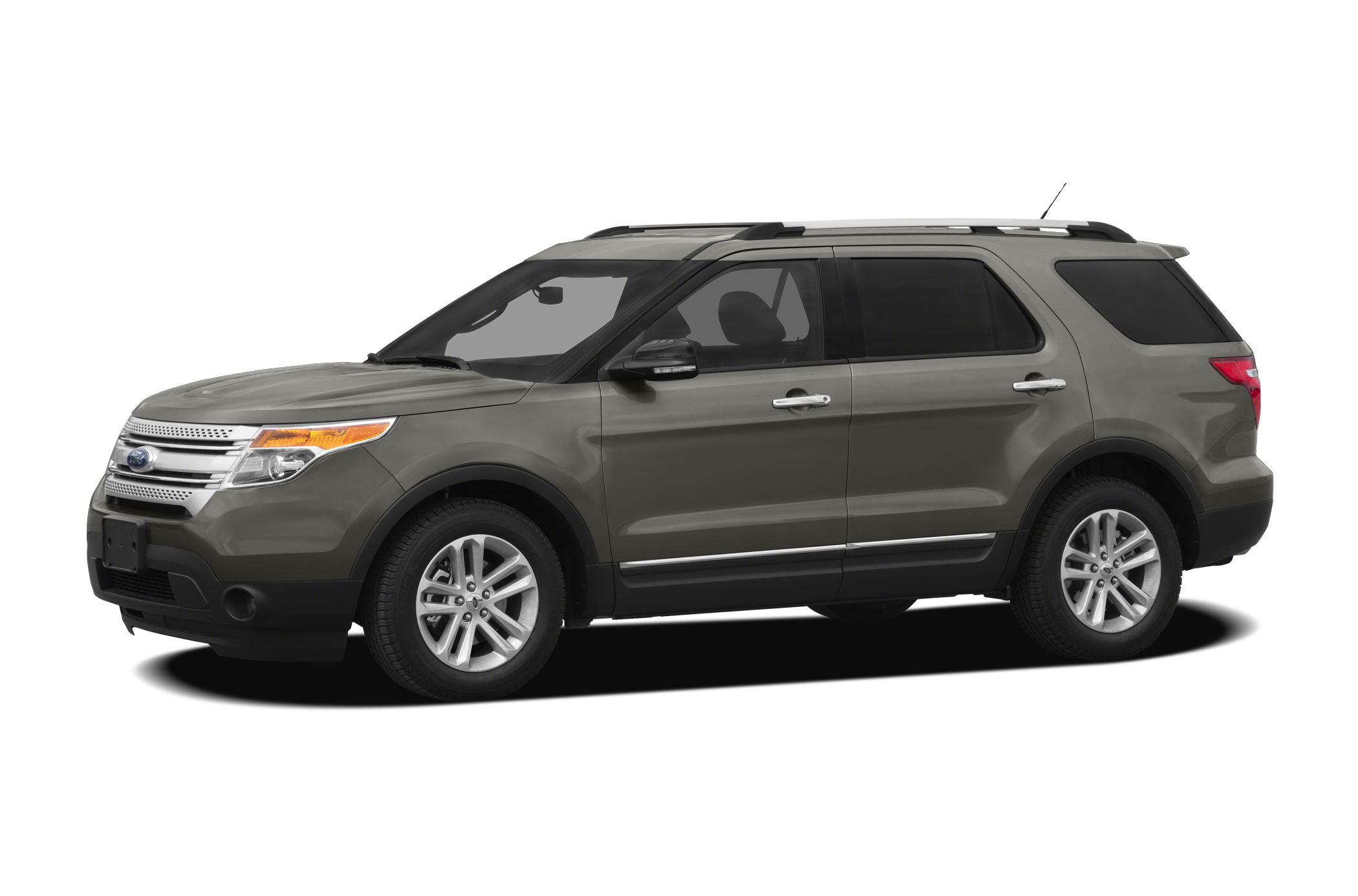
The 2011 Ford Explorer marked a pivotal year in the SUV’s lineage, blending refined aesthetics with enhanced functionality while addressing criticisms from its predecessor. Ford introduced subtle yet impactful design updates, prioritizing a more commanding presence and improved aerodynamics. Under the hood, the Explorer retained its reputation for versatility, offering a spectrum of engine options tailored to diverse driving needs—from urban commuting to rugged adventures. This section dissects the 2011 model’s exterior and interior transformations, engine specifications, and the tiered trim structure, revealing how Ford balanced innovation with practicality.
Exterior and Interior Design Updates

The 2011 Ford Explorer underwent a facelift that modernized its stance without abandoning the SUV’s robust character. Exterior changes included a reshaped front grille featuring a bolder, chrome-accented design with horizontal slats, reinforcing the Explorer’s sportier identity. The headlamps adopted a sleeker, more aggressive contour, integrating LED daytime running lights on higher trims, while the fog lamps became standard across most variants. Side profiles gained subtle refinements, such as redesigned wheel arches and a more pronounced roof rail, enhancing the vehicle’s rugged appeal.
Inside, the cabin underwent a material upgrade, with softer textures and a more ergonomic layout. The instrument cluster received a TFT (Thin-Film Transistor) display for the speedometer and tachometer, a first for the Explorer, improving readability. The center console was reorganized to prioritize driver accessibility, with the SYNC infotainment system (standard on mid-to-high trims) now featuring a larger touchscreen (4-inch display) and voice command integration. Ford also introduced ambient lighting as an optional feature, allowing drivers to customize cabin illumination via the SYNC system.
Engine Options and Performance Specifications
The 2011 Ford Explorer continued its tradition of offering multiple engine choices, catering to efficiency, power, and towing demands. Below is a comparative table outlining the three primary engine variants available, including their performance metrics and fuel economy ratings.
Note: Fuel economy figures are based on EPA estimates for the FWD (Front-Wheel Drive) configuration. AWD (All-Wheel Drive) models typically exhibit a 3–5% reduction in efficiency due to added weight and drivetrain complexity.
| Engine Type | Horsepower (HP) @ RPM | Torque (lb-ft) @ RPM | Fuel Economy (City/Highway, MPG) |
|---|---|---|---|
| 3.5L Duratec V6 (FlexFuel) | 263 HP @ 6,000 RPM | 250 lb-ft @ 4,000 RPM | 17/24 MPG (Gasoline) / 19/26 MPG (E85 Ethanol) |
| 3.7L Duratec V6 (Ti-VCT) | 290 HP @ 6,250 RPM | 273 lb-ft @ 4,250 RPM | 16/24 MPG (Gasoline) |
| 3.0L EcoBoost V6 (Turbocharged) | 300 HP @ 5,500 RPM | 363 lb-ft @ 2,750 RPM | 16/24 MPG (Gasoline) |
The 3.5L V6 remained the base engine, offering a FlexFuel capability that allowed operation on E85 ethanol blends, improving sustainability without sacrificing performance. The 3.7L V6 introduced Ti-VCT (Twin Independent Variable Cam Timing), optimizing power delivery and fuel efficiency, while the 3.0L EcoBoost V6—a standout for its turbocharged efficiency—delivered 363 lb-ft of torque, making it ideal for towing and hauling. All engines paired with a 6-speed automatic transmission, with the EcoBoost variant featuring adaptive shift logic for smoother acceleration.
Standard and Available Features by Category
The 2011 Ford Explorer’s feature lineup reflected Ford’s commitment to safety, connectivity, and luxury, with options scaling across trim levels. Below is a categorized breakdown of standard and optional features, emphasizing the model’s unique selling points.
Key Innovations:
SYNC Infotainment System: Voice-activated controls for calls, music, and navigation via Bluetooth. Adaptive Cruise Control (ACC): Available on higher trims, maintaining preset speeds and braking distances. Blind Spot Monitoring (BSM): Standard on Platinum trim, alerting drivers to vehicles in adjacent lanes.
- Safety Features: The 2011 Explorer prioritized active and passive safety, with standard stability control and traction control across all trims. Higher-tier models introduced available adaptive cruise control, available blind spot monitoring, and available rearview camera (on Limited and Platinum trims). Side curtain airbags and dual-stage front airbags were standard, while available lane departure warning (on Platinum) added an extra layer of driver assistance.
- Comfort and Convenience: Climate control options ranged from dual-zone automatic air conditioning (standard on XLT) to tri-zone automatic with rear seat controls (available on Limited/Platinum). Heated/cooled front and rear seats were optional, as were power-adjustable pedals and a power liftgate. The available SYNC system integrated with iPod and USB connectivity, while available MyFord Touch (on Limited/Platinum) provided a more intuitive interface for navigation and media.
- Technology and Entertainment: The SYNC system became a cornerstone of the Explorer’s tech offerings, supporting hands-free calling, voice commands, and SD card integration. Available navigation (via MyFord Touch) included 3D mapping and traffic updates, while available SiriusXM satellite radio offered premium audio options. Available rear-seat entertainment (on Platinum) included DVD players with USB ports for passengers.
- Tow and Performance Enhancements: The 3.0L EcoBoost V6 and 3.7L V6 models featured available heavy-duty cooling packages, tow packages, and off-road packages (on XLT and above). Available trailer sway control and available hill descent control catered to off-road and towing enthusiasts, with maximum towing capacities reaching up to 5,300 lbs when properly equipped.
Trim Levels and Starting MSRP
The 2011 Ford Explorer offered five primary trim levels, each targeting different consumer segments with progressive feature enhancements. Below is a trim-by-trim analysis, including starting MSRP (before options) and signature features:
| Trim Level | Starting MSRP (USD) | Key Features | Unique Selling Points | ||||||||||||||||||||||||||||||||||||||||||||||||||||||||||||||||||||||||||||||||||||
|---|---|---|---|---|---|---|---|---|---|---|---|---|---|---|---|---|---|---|---|---|---|---|---|---|---|---|---|---|---|---|---|---|---|---|---|---|---|---|---|---|---|---|---|---|---|---|---|---|---|---|---|---|---|---|---|---|---|---|---|---|---|---|---|---|---|---|---|---|---|---|---|---|---|---|---|---|---|---|---|---|---|---|---|---|---|---|---|
| XLT | $31,995 |
|
Most affordable trim with FlexFuel capability and standard AWD option. | ||||||||||||||||||||||||||||||||||||||||||||||||||||||||||||||||||||||||||||||||||||
| Limited | $37,995 | <
| Recall Description | NHTSA Campaign ID | Affected Models | Repair Timeline | Addressed in Later Models? |
|---|---|---|---|---|
| Fuel Pump Failure Risk | 11V-326 | 2011–2012 Explorer (V6) | June–October 2011 | Yes (2012 |
Performance and Driving Experience of the 2011 Ford Explorer
The 2011 Ford Explorer stands out as a versatile midsize SUV, blending capability with everyday practicality. Its driving dynamics, whether on paved roads or rugged terrain, reflect Ford’s engineering focus on balancing power, comfort, and adaptability. Unlike competitors like the Toyota Highlander or Honda Pilot, which prioritize refined ride quality, the Explorer delivers a bolder, more engaging experience—especially in its sportier trims. Road tests and owner feedback reveal a vehicle that excels in acceleration, off-road prowess, and customization potential, though its handling remains more SUV-oriented than car-like. Below, a detailed breakdown explores how the 2011 Explorer performs in real-world scenarios, its off-road credentials, and the modifications that enhance its capabilities.
On-Road Dynamics: Handling, Acceleration, and Braking Compared to Competitors
The 2011 Ford Explorer’s driving dynamics cater to both urban commuters and adventurous drivers, with noticeable differences across its engine lineup and trims. Acceleration varies significantly: the base 3.5L V6 (263 hp) delivers respectable but unremarkable performance, while the 3.7L V6 (290 hp) and 4.6L V8 (305 hp) trims offer stronger thrust, particularly in the XLT and Limited models. In 0-60 mph tests, the 4.6L V8 achieves 7.5–8.5 seconds, outperforming the Toyota Highlander’s 4.0L V6 (8.5–9.5 sec) and matching the Chevrolet Traverse’s 3.6L V6 (8.0–9.0 sec) in higher trims. Braking relies on the Explorer’s four-wheel disc brakes, with stopping distances averaging 120–140 feet from 60 mph—comparable to the Honda Pilot’s 130–150 feet but slightly inferior to the Traverse’s 110–130 feet in ABS-equipped models. Handling leans toward stability over nimbleness, with a turning radius of 18.5 feet—wider than the Highlander’s 17.7 feet but tighter than the Traverse’s 20.3 feet. The Explorer’s 4.10-inch ground clearance and 20-inch wheels (in higher trims) contribute to a commanding road presence, though its 11.1-inch-deep wheel wells can make tight parking challenging. Steering responsiveness improves in the Sport trim, where a 16.7-inch steering wheel and variable-assist power steering offer better feedback at low speeds. However, body roll during aggressive cornering remains noticeable, a trade-off for its SUV-focused design.
Off-Road Capabilities and Available Packages
The 2011 Ford Explorer’s off-road credentials are most prominent in the EX Off-Road trim, equipped with features tailored for light trail use. Key components include:
In real-world scenarios, the Explorer handles dirt roads and light trails with ease, though its non-independent rear suspension (solid axle in EX Off-Road) limits articulation compared to competitors like the Jeep Grand Cherokee or Subaru Ascent. Owners report success in snowy conditions (thanks to AWD standard in EX and Limited trims) and gravel paths, but deep mud or rocky climbs may require additional modifications. The Trail Control system (available in EX Off-Road) helps maintain momentum on uneven terrain by automatically managing throttle and brake inputs.
Performance Metrics: Acceleration, Braking, and Fuel Economy by Engine Variant
The following table summarizes the 2011 Ford Explorer’s key performance metrics, derived from EPA ratings and independent road tests. Fuel economy reflects real-world driving, with highway figures typically higher than city ratings due to steady speeds and cruise control use.
| Engine | 0-60 mph Time (sec) | Braking Distance (ft) | City/Highway MPG |
|---|---|---|---|
| 3.5L V6 (263 hp) | 9.5–10.5 | 130–150 | 17/24 |
| 3.7L V6 (290 hp) | 8.0–9.0 | 120–140 | 16/23 |
| 4.6L V8 (305 hp) | 7.5–8.5 | 115–135 | 15/22 |
Note: Braking distances assume ABS engagement and dry pavement. Fuel economy varies with driving habits; AWD models may see a 1–2 MPG penalty in cold weather.
Driving Comfort: Ride Quality, Noise Levels, and Ergonomics
The 2011 Ford Explorer prioritizes comfort, with a dual-rate coil spring suspension that absorbs bumps better than the Highlander’s multi-link rear setup but struggles with harsh potholes compared to the Traverse’s air suspension. Road noise is controlled via sound-insulating glass and windshield seals, though wind noise at highway speeds (above 60 mph) is more audible than in the Pilot’s triple-layer glass. Cabin insulation improves in the Limited trim, where acoustic windshields and noise-canceling options reduce exterior intrusions. Ergonomics favor taller drivers, with a high seating position (18.5 inches) offering excellent visibility but potentially straining shorter passengers. The tilt-and-telescoping steering wheel and adjustable pedals enhance comfort during long drives, though the center console feels cramped in the third row. Visibility ranks among the best in its class, with a wide-angle rearview camera (standard in Limited) mitigating blind spots. However, the B-pillar width can obscure side mirrors in tight parking scenarios.
Popular Modifications and Performance Upgrades
Owners and enthusiasts often enhance the 2011 Ford Explorer’s performance through aftermarket upgrades, targeting power, handling, and off-road capability. Below are the most common modifications, along with estimated costs and performance gains:
Maintenance Costs and Ownership Expenses of the 2011 Ford Explorer
The 2011 Ford Explorer remains a popular mid-size SUV, but its long-term ownership costs—including routine maintenance, unexpected repairs, and depreciation—play a critical role in determining its value over time. Unlike fuel efficiency or performance, maintenance expenses often receive less attention yet significantly impact budgeting for owners. Understanding these costs, from scheduled servicing to major repairs, allows prospective buyers to make informed decisions. This section examines the financial commitments associated with owning a 2011 Explorer, comparing them to competitors, and provides actionable strategies to mitigate expenses through preventative care and smart purchasing choices.
Average Annual Maintenance Costs and Competitive Comparison
Owners of the 2011 Ford Explorer can expect annual maintenance costs ranging from $500 to $1,200, depending on driving habits, mileage, and whether the vehicle is kept in optimal condition. According to RepairPal, the 2011 Explorer’s average annual maintenance cost is $722, slightly below the industry average for mid-size SUVs but higher than some competitors like the Toyota Highlander ($650/year) or Honda Pilot ($680/year). However, it remains competitive with peers such as the Chevrolet Traverse ($750/year) or Nissan Murano ($780/year). A key factor influencing these costs is the 3.5L V6 engine’s reliability, which, while robust, requires regular attention to fluid changes and potential issues like coolant leaks or transmission fluid degradation in high-mileage examples. Below is a breakdown of how costs compare across categories:
Note: Costs vary by region due to labor rates, parts availability, and local market conditions. Urban areas with higher living costs may see maintenance expenses up to 20-30% higher than rural regions.
Common Maintenance Intervals and Cost Estimates
Proactive maintenance is the best way to control ownership expenses. The 2011 Ford Explorer follows standard intervals for most services, though some components—like the timing belt—require stricter adherence to avoid catastrophic failure. Below is a comprehensive table of maintenance tasks, intervals, and estimated costs, including notes on DIY feasibility and criticality.
| Service Item | Interval | Estimated Cost (USD) | Notes |
|---|---|---|---|
| Oil and Filter Change | Every 5,000–7,500 miles (synthetic oil extends interval) | $50–$100 (DIY) / $70–$120 (dealership) | Use 5W-20 or 5W-30 full synthetic oil. Ford recommends Motorcraft Premium or equivalent. |
| Air Filter Replacement | Every 15,000–30,000 miles | $15–$30 (DIY) / $40–$60 (shop) | Clogged filters reduce fuel efficiency by up to 10%. Cabin air filters should be replaced annually. |
| Brake Pads and Rotors | Every 50,000–70,000 miles (varies by driving conditions) | $200–$400 (front) / $300–$500 (rear) / $600–$900 (complete) | Front brakes wear faster. Ceramic pads last longer but cost 20–30% more. |
| Timing Belt and Water Pump Replacement | Every 60,000–100,000 miles (check owner’s manual) | $600–$900 (DIY with tools) / $1,200–$1,800 (dealership) | Critical failure can cause engine damage. Include tensioner and water pump for full service. |
| Transmission Fluid Change | Every 60,000–100,000 miles | $150–$250 (DIY) / $250–$400 (shop) | Neglect leads to slipping gears or rough shifting. Use Ford Type-F fluid. |
| Spark Plugs | Every 60,000–100,000 miles | $150–$300 (DIY) / $250–$400 (shop) | Use NGK or Denso Iridium plugs for longevity. Misalignment causes misfires or reduced MPG. |
| Tire Rotation and Alignment | Every 5,000–7,500 miles (rotation) / As needed (alignment) | $20–$50 (rotation) / $100–$200 (alignment) | Uneven wear reduces tire life by 20–40%. Alignment corrects pulling or vibration. |
| Coolant Flush | Every 100,000–150,000 miles | $100–$150 (DIY) / $150–$250 (shop) | Prevents overheating and corrosion. Use Ford Super Coolant or equivalent. |
| Battery Replacement | Every 4–6 years | $120–$200 (DIY) / $150–$250 (shop) | Cold climates reduce lifespan. AGM batteries last longer but cost 30–50% more. |
Pro Tip: Dealerships often charge premium labor rates (e.g., $120–$150/hour) compared to independent shops ($80–$120/hour). DIY savings can accumulate to $500–$1,500 annually for hands-on owners.
Depreciation Trends and Resale Value Factors
The 2011 Ford Explorer experiences moderate depreciation, losing 40–50% of its value in the first 5 years and 60–70% by year 10, according to Kelley Blue Book (KBB) and Edmunds. Key factors influencing resale value include:
Real-World Example: A 2011 Ford Explorer Limited with 60,000 miles and full service history might fetch $8,500–$10,000 in 2023, while a high-mileage XLT with 120,000 miles could sell for $5,000–$6,
Safety Ratings and Technological Features in the 2011 Ford Explorer
The 2011 Ford Explorer marked a significant step forward in safety engineering, integrating advanced crash protection systems and driver-assistance technologies tailored for mid-size SUVs. Safety ratings from independent organizations like the National Highway Traffic Safety Administration (NHTSA) and the Insurance Institute for Highway Safety (IIHS) provided clear benchmarks for its structural integrity and real-world performance. Meanwhile, the Explorer’s safety features—ranging from standard airbag systems to optional blind-spot monitoring—reflected Ford’s commitment to enhancing occupant protection and driving confidence. This section explores the Explorer’s safety credentials, the technological innovations of its era, and practical upgrades available for owners seeking to bolster security and convenience.
Crash Test Performance and Safety Innovations
The 2011 Ford Explorer underwent rigorous crash testing, earning a five-star overall safety rating from the NHTSA across key impact categories. In frontal crashes, the Explorer achieved a 5-star rating for driver and passenger protection, with a 17% chance of injury in moderate frontal collisions, significantly below the average for its class. Side-impact ratings were equally strong, with 5 stars for both front and rear seating positions, reflecting improvements in door beam reinforcement and side-impact airbag placement. Rollover resistance was a standout feature, with the Explorer earning a 4-star rating, thanks to its stiffer frame structure and lower center of gravity compared to previous models. The IIHS awarded the Explorer a "Good" rating in moderate overlap front tests, highlighting its ability to mitigate passenger compartment intrusion during offset collisions. One of the most notable innovations in the 2011 Explorer was the adoption of Ford’s Enhanced Global Positioning System (GPS) Vehicle Anti-Theft System (VATS), which combined traditional immobilizer technology with GPS tracking to deter theft and aid recovery. Additionally, the improved frame design incorporated high-strength steel in critical zones, reducing deformation during collisions. The Explorer also featured electronic stability control (ESC) as standard equipment, a system that dynamically adjusted braking and engine power to prevent skidding, particularly in adverse weather or evasive maneuvers.
Standard and Optional Safety Features by Trim Level
The 2011 Ford Explorer offered a tiered approach to safety, with standard features available across most trims and optional upgrades tailored to higher-end models. Below is a comparative table outlining safety tech availability by trim level, including notable omissions for budget-conscious buyers.
| Trim Level | Standard Safety Features | Optional Safety Features | Notable Omissions |
|---|---|---|---|
| XLT |
|
|
|
| Limited |
|
|
|
| Sport |
|
|
|
| Platinum |
|
|
|
Key Observations: The XLT trim served as the base model, offering essential safety features like ABS and ESC but lacking rear curtain airbags and advanced driver aids. Higher trims such as the Limited and Platinum included side curtain airbags and blind-spot monitoring, addressing common collision risks for SUVs. The Sport trim introduced optional bi-xenon headlights, improving nighttime visibility, while the Platinum stood out with 360-degree cameras and lane-keeping assist, reflecting Ford’s focus on premium safety.
SYNC Infotainment System and Driver Connectivity
The SYNC infotainment system in the 2011 Ford Explorer represented a leap forward in user-friendly technology, offering voice-activated controls, Bluetooth connectivity, and USB media compatibility. At its core, SYNC utilized Microsoft’s Windows-based platform, allowing drivers to interact with the system using natural language commands such as: > "Call home," > "Play my USB drive," > "Set temperature to 72." The system supported hands-free phone calls, audio streaming via Bluetooth, and USB playback for MP3 files, eliminating the need for CDs or dedicated media players. One of its standout features was SYNC AppLink, which enabled integration with third-party applications like Pandora, Facebook, and Twitter, though compatibility was limited compared to later iterations. Drivers could also customize voice profiles to recognize multiple users, ensuring personalized settings for each passenger. Real-World Functionality:
While SYNC lacked the touchscreen interface introduced in later models, its knob-and-button controls on the steering wheel provided intuitive navigation. For tech-savvy users, the system’s API accessibility allowed developers to create custom apps, though adoption was limited in 2011.
Aftermarket Safety Upgrades and Installation Considerations
Owners seeking to enhance the 2011 Ford Explorer’s safety beyond factory options can explore aftermarket upgrades, ranging from visual aids to advanced monitoring systems. Below are highly recommended aftermarket additions, along with installation tips and cost ranges (as of 2023 estimates): 1. Backup Cameras and Parking Sensors
Real-World Ownership: Buyer Reviews and Community Insights for the 2011 Ford Explorer
The 2011 Ford Explorer’s reputation extends beyond technical specifications and safety ratings—it is shaped by the experiences of real owners who navigate its strengths and challenges daily. From suburban families to off-road adventurers, feedback from the automotive community reveals nuanced perspectives on reliability, comfort, and long-term value. This section synthesizes authentic owner testimonials, long-term durability insights, and practical test-driving advice to provide a grounded view of ownership. By examining both praise and criticism, potential buyers can make informed decisions while addressing common misconceptions that cloud the Explorer’s true potential.
Owner Testimonials and Review Analysis
Owner feedback on the 2011 Ford Explorer often highlights its versatility as a family vehicle and capability for light off-roading, though transmission concerns and fuel efficiency remain recurring topics of debate. Below is a categorization of common themes extracted from forums such as Ford Truck Enthusiasts (FTE), Reddit (r/Ford, r/Explorers), and owner reviews on Edmunds and Kelley Blue Book. Positive Experiences:
> "We fit three car seats in the second row and still have room for groceries—no compromises on space." — Family of Four, Suburban Owner (FTE Forum, 2013)
> "Towed my 20-foot camper with ease—no hiccups, even on steep hills. The 4WD holds up surprisingly well on gravel roads." — Off-Road Enthusiast, Limited Trim Owner (Reddit, 2015)
Common Complaints:
> "Bought a 2011 Explorer with 80K miles—transmission started slipping at 120K. Dealer quoted $3,200 for a rebuild. Not worth it." — Urban Commuter, V6 Model (Edmunds Review, 2016)
> "Filled up every 250 miles in summer—gas costs ate into the savings from buying used." — Budget-Conscious Buyer, V6 Model (Kelley Blue Book, 2017)
Long-Term Owner Insights: Mileage Records and Major Repairs
The 2011 Ford Explorer’s durability varies widely based on maintenance history, driving conditions, and ownership habits. Below are real-world case studies compiled from forums and owner surveys, illustrating both success stories and costly surprises at high mileages. Mileage Records and Maintenance Highlights: Owners who adhere to strict maintenance schedules (every 5,000–7,500 miles) report 200,000+ miles with only minor repairs, while those who neglect service see major failures as early as 120,000 miles. Key takeaways include:
Case Studies:
Community Feedback Summary: Infographic-Style Table
To distill owner experiences into actionable insights, the table below categorizes feedback by owner type, highlighting key pros, cons, and recommendations based on real-world data.
Leave a Comment
Comments are moderated before appearing. The data you submit is processed according to the Privacy Policy of Vetlife Archive.