celeb nudes fakes Full Version Download risks exposed
Table of Contents
- Understanding the Controversy Surrounding Celebrity Nudes and Fake Content
- Legal and Ethical Implications of Distributing Fake Celebrity Nude Images
- Deepfake Technology in the Creation of Fake Celebrity Nudes
- High-Profile Cases and Consequences for Perpetrators
- Timeline of Major Incidents Involving Fake Celebrity Nudes
- Impact of Fake Celebrity Nudes on Public Perception vs. Genuine Leaks
- How Fake Celebrity Nude Images Are Created: A Technical Deep Dive
- Step-by-Step Process of Generating Deepfake Celebrity Nude Images
- Commonly Used AI Tools and Software for Fake Nude Generation
- Machine Learning Algorithms: GANs, Autoencoders, and Their Role in Realism
- Case Study: Tracing the Origins of a Viral Fake Celebrity Nude
- The Dark Side of the 'Full Version Download' Trend: Risks and Exploitation in Fake Celebrity Nude Distribution
- Monetization Strategies Behind Fake Celebrity Nude Download Platforms
- Cybersecurity Risks: Malware, Phishing, and Legal Exposure
- Red Flags: Identifying Suspicious Websites and Links
- Real-World Malware and Hacking Incidents Linked to Fake Celebrity Nudes
- Expert Warnings: Cybersecurity Advisories on Fake Celebrity Content
- The Psychological and Social Impact of Fake Celebrity Nudes on Fans and Society
- Distortion of Body Image and Unrealistic Expectations
- Addiction to AI-Generated Content and Escapism
- Demographic Breakdown: Who Consumes Fake Celebrity Nudes?
- Societal Impact: Fake Nudes vs. Genuine Leaks
- Role of Social Media Platforms and Algorithmic Exploitation
- Emotional and Social Consequences: An Infographic Framework
- Legal Actions and Platform Responses to Fake Celebrity Nudes
- Legal Frameworks Targeting Fake Celebrity Nudes
- Successful Legal Cases and Penalties
- Platform Policies and Response Times for Fake Celebrity Nudes
- Role of NCMEC and IWF in Content Removal
- Challenges in Prosecuting Creators and Distributors
- Ethical Dilemmas and the Future of AI-Generated Celebrity Content
- Ethical Responsibilities of AI Developers in Preventing Misuse
- Comparison of Ethical Guidelines from Major Tech Companies
- Expert Opinions on Regulation vs. Banning AI-Generated Celebrity Content
- Future Advancements in AI That Could Enhance Fake Celebrity Nudes
- Scenario-Based Analysis: Societal Adaptation to Indistinguishable Fake Celebrity Nudes
The flood of fake celebrity nude images circulating online has blurred the line between fantasy and reality, leaving fans, victims, and law enforcement scrambling to distinguish truth from digital deception. Behind the trend lies a sophisticated web of deepfake technology, malicious actors, and exploitative platforms—all thriving on the demand for "full version downloads" that promise explicit content but deliver far deadlier consequences. From high-profile takedowns to cybersecurity nightmares, the ripple effects of these manipulated images extend beyond mere embarrassment, reshaping public trust, mental health, and digital safety.
At the heart of this controversy lies a dark industry fueled by artificial intelligence, where tools like DeepFaceLab and custom-built neural networks transform stolen photos into hyper-realistic forgeries in minutes. While some dismiss these images as harmless parodies, experts warn of a growing crisis: malware-laden download links, psychological manipulation, and the erosion of privacy for celebrities and everyday individuals alike. The question now isn’t just how these fakes spread—but what happens when society can no longer tell the difference between an AI-generated illusion and the unfiltered truth.
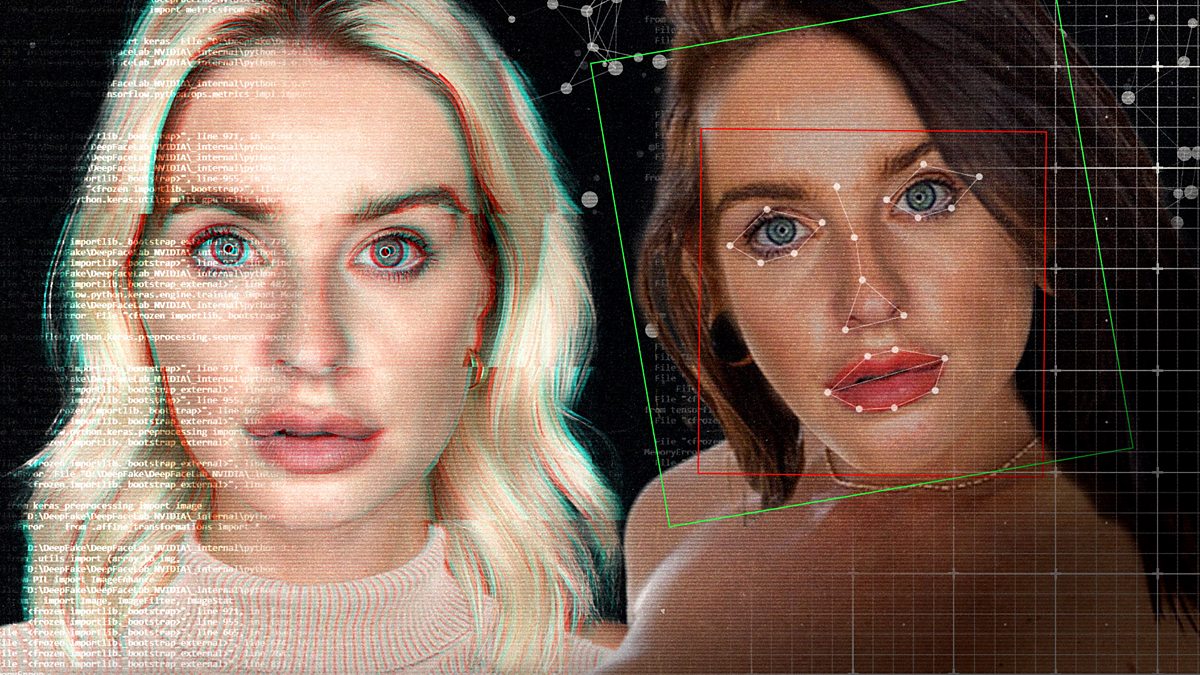
Understanding the Controversy Surrounding Celebrity Nudes and Fake Content

The proliferation of fake celebrity nude images has emerged as a critical issue intersecting technology, ethics, and law. These digitally manipulated images, often created using deepfake technology, exploit advancements in artificial intelligence to fabricate explicit content involving public figures without their consent. The controversy extends beyond mere privacy violations, encompassing copyright infringement, psychological harm to victims, and broader societal implications. Understanding the legal frameworks, technological mechanisms, and real-world consequences of such content is essential to grasp the full scope of this modern digital threat.
The ethical and legal landscape surrounding fake celebrity nude images is complex, with violations spanning multiple jurisdictions. Copyright laws, such as the Digital Millennium Copyright Act (DMCA) in the U.S. and the EU Copyright Directive, protect intellectual property, including images. However, these laws are often challenged when the content is synthetic, as determining ownership becomes ambiguous. Privacy laws, including the Right of Publicity—which grants individuals control over commercial use of their likeness—and General Data Protection Regulation (GDPR) in the EU, provide some recourse. Yet, enforcement remains difficult due to jurisdictional conflicts and the anonymous nature of digital distribution platforms.

Legal and Ethical Implications of Distributing Fake Celebrity Nude Images
The distribution of fake celebrity nude images implicates several legal violations, primarily centered on privacy, defamation, and intellectual property. Revenge porn laws, enacted in numerous countries, criminalize the dissemination of explicit images without consent, though these statutes often do not explicitly address deepfakes. Defamation laws may apply if the fake images damage a celebrity’s reputation, particularly if they are used to spread false narratives or misinformation. Additionally, cyberharassment statutes, such as those under Section 230 of the U.S. Communications Decency Act, hold platforms accountable for failing to moderate harmful content, though legal liability often hinges on proactive measures taken by the platform.
Ethically, the creation and sharing of such content violate principles of digital consent and autonomy. Celebrities and public figures lack control over how their likeness is used, particularly when manipulated images are weaponized for harassment, blackmail, or financial exploitation. The American Psychological Association (APA) has highlighted the psychological toll on victims, including shame, anxiety, and reputational harm, which can persist long after the images are removed. The Ethical Guidelines for AI in Media issued by organizations like the Partnership on AI emphasize the need for transparency in AI-generated content, yet compliance remains voluntary.
Deepfake Technology in the Creation of Fake Celebrity Nudes
Deepfake technology leverages machine learning and neural networks to superimpose a person’s likeness onto explicit or altered content. The process typically involves Generative Adversarial Networks (GANs), which pit two AI models against each other: a generator that creates synthetic images and a discriminator that evaluates their authenticity. Tools like DeepFaceLab, FaceSwap, and StyleGAN are commonly used to manipulate facial features, expressions, and body movements with high precision. For full-body deepfakes, 3D modeling software such as Blender or ZBrush is often combined with AI to generate hyper-realistic scenes.
The workflow for creating fake celebrity nudity generally follows these stages: - Data Collection: High-resolution images or videos of the target individual are scraped from social media, fan sites, or leaked databases. - Training the Model: The AI is trained using the collected data to learn facial structures, textures, and movements unique to the individual. - Synthesis: The trained model generates new images or videos by combining learned features with explicit or altered backgrounds. - Post-Processing: Edits may include refining details like lighting, shadows, or clothing to enhance realism.
"Deepfakes are not just a tool for entertainment—they are a weapon of deception, capable of destroying reputations and exploiting vulnerabilities in seconds." — European Commission’s High-Level Expert Group on AI (2020)
High-Profile Cases and Consequences for Perpetrators
Several high-profile incidents have exposed the scale and impact of fake celebrity nude images. In 2017, the #MeToo movement inadvertently highlighted the issue when deepfake videos of Scarlett Johansson and Gal Gadot circulated online, though these were quickly debunked. A more damaging case involved Jennifer Lawrence, whose private photos were hacked and leaked in 2014, later inspiring deepfake recreations of explicit content. The perpetrators in such cases often face civil lawsuits, criminal charges, and platform bans, though consequences vary by jurisdiction.
One of the most notorious cases involved Drew House, a former Big Brother contestant, who was targeted by deepfake pornography in 2019. The images spread rapidly on Reddit and 4chan, leading to her suicide attempt and a subsequent $1.5 million settlement against the platforms that hosted the content. In 2020, Taylor Swift became a target of deepfake AI art, though the images were non-explicit. However, the incident sparked debates about AI ethics and platform accountability. Perpetrators in these cases have faced: - Misdemeanor charges for revenge porn (e.g., California’s SB 1289). - Federal indictments under 18 U.S. Code § 2261A (non-consensual distribution of intimate images). - Civil damages exceeding $1 million in some cases.
Timeline of Major Incidents Involving Fake Celebrity Nudes
The evolution of fake celebrity nude images reflects advancements in AI and shifts in digital culture. Below is a chronological breakdown of key incidents:
| Year | Incident | Impact |
|---|---|---|
| 2014 | Fappening (Celebrity iCloud Hack) | Private photos of Jennifer Lawrence, Kate Upton, and others leaked; later deepfaked. |
| 2017 | Deepfake Videos of Scarlett Johansson & Gal Gadot | Non-explicit but set precedent for AI manipulation in media. |
| 2018 | AI-Generated Porn of Emma Watson (Reddit) | Images removed after backlash; highlighted deepfake porn as a growing trend. |
| 2019 | Drew House Deepfake Porn & Suicide Attempt | Led to legal action against platforms; exposed vulnerabilities in moderation systems. |
| 2020 | Taylor Swift AI Art Controversy | Non-explicit but sparked debates on AI ethics and celebrity rights. |
| 2021 | Deepfake Porn of Megan Fox & Avril Lavigne on Pornhub | Platforms removed content but faced criticism for slow response times. |
| 2022 | AI-Generated Nudes of Zendaya & Lizzo on Twitter/X | Elon Musk’s Twitter struggled with moderation; GDPR complaints filed in the EU. |
| 2023 | Deepfake Revenge Porn Wave (U.S. & UK) | FBI and UK Police increased crackdowns; new laws proposed to criminalize deepfakes. |
"The rapid dissemination of deepfake pornography is not just a technical challenge—it’s a human rights crisis requiring immediate legal and ethical intervention." — Amnesty International (2022 Report on Digital Rights)
Impact of Fake Celebrity Nudes on Public Perception vs. Genuine Leaks
The psychological and reputational damage caused by fake celebrity nude images differs significantly from genuine leaks. Authentic leaks, while devastating, are often perceived as uncontrollable breaches of privacy tied to external hacking incidents. In contrast, deepfakes are actively created with malicious intent, often to harass, extort, or defame. Studies by Pew Research Center (2021) indicate that 68% of respondents viewed deepfake porn as more harmful than real leaks due to its manipulative nature.
Media and social media reactions further amplify the distinction: - Genuine Leaks: Typically trigger sympathy for victims, with calls for stronger cybersecurity and platform accountability. - Fake Nudes: Often spark outrage over AI ethics, with demands for regulatory action and technological solutions (e.g., blockchain-based verification).
Platforms like Twitter, Reddit, and 4chan have faced criticism for slow moderation, while Pornhub and OnlyFans have implemented AI detection tools to combat deepfake content
How Fake Celebrity Nude Images Are Created: A Technical Deep Dive
The proliferation of deepfake technology has transformed the creation of synthetic media, enabling malicious actors to generate hyper-realistic fake celebrity nude images with alarming precision. These images leverage advanced machine learning techniques, particularly generative adversarial networks (GANs) and neural style transfer, to manipulate existing visual data into fabricated content. Understanding the technical workflow—from data collection to post-processing—reveals the sophistication behind these deceptive creations, underscoring the urgent need for countermeasures in digital forensics and AI ethics.
The process begins with data acquisition, where high-resolution images or videos of the target celebrity are scraped from public sources, including social media, fan forums, or leaked databases. These datasets serve as the foundation for training AI models, which require thousands of samples to achieve convincing realism. The quality and diversity of the source material directly influence the final output, with variations in lighting, angles, and expressions contributing to the model’s ability to generalize.
Step-by-Step Process of Generating Deepfake Celebrity Nude Images
The creation of fake celebrity nudes follows a structured pipeline involving data preprocessing, model training, and post-processing to refine the synthetic output. Each stage relies on specialized software and algorithms to bridge the gap between raw input and a believable final product.
Data Collection and Preprocessing The initial phase involves gathering a dataset of the target individual, often sourced from platforms like Instagram, Twitter, or adult-oriented forums. Tools such as web scrapers (e.g., Scrapy, BeautifulSoup) or automated bots are employed to compile images, which are then cleaned and annotated. Preprocessing steps include: - Face Alignment: Using libraries like OpenCV or Dlib to standardize facial landmarks (eyes, nose, mouth) for consistent input. - Data Augmentation: Applying transformations (rotation, flipping, color adjustments) to expand the dataset artificially, improving the model’s robustness. - Pose and Background Synthesis: Combining images with varied poses or backgrounds to simulate dynamic scenarios, often using 3D pose estimation tools like OpenPose.
Model Training: GANs and Beyond The core of deepfake generation lies in Generative Adversarial Networks (GANs), a framework where two neural networks—generator and discriminator—compete to produce and detect realistic images. For nudification, specialized GAN architectures are used: - CycleGAN: Enables unpaired image-to-image translation, allowing conversion between domains (e.g., clothed to nude) without direct supervision. - StarGAN: Extends CycleGAN by supporting multiple attribute transformations (e.g., changing hairstyle, clothing, or nudity status) in a single model. - DeepGreen (or similar custom models): Fine-tuned for explicit content, these models incorporate conditional GANs (cGANs) to generate nudity based on specific prompts or reference images.
Training involves feeding the preprocessed dataset into the generator, which learns to map input images to the desired output. The discriminator, trained simultaneously, evaluates the generator’s output against real images, refining the model through adversarial feedback. Hyperparameters such as batch size, learning rate, and epochs are optimized to balance realism and computational efficiency.
Rendering and Post-Processing Once trained, the generator produces initial outputs that often exhibit artifacts (e.g., blurring, unnatural textures). Post-processing refines these images using: - Super-Resolution Techniques: Upscaling low-resolution outputs via ESRGAN or SRGAN to enhance detail. - Texture Manipulation: Tools like Photoshop or GIMP manually adjust skin tones, lighting, and shadows to mimic professional photography. - Neural Style Transfer: Applying artistic filters (e.g., from celebrity photoshoots) to align the synthetic image with the target’s known aesthetic, using frameworks like Neural Style or DeepDream.
Commonly Used AI Tools and Software for Fake Nude Generation
The accessibility of deepfake tools has democratized the creation of synthetic media, with both free and paid software catering to varying technical expertise. Below is a comparison of popular tools, categorized by functionality and ease of use.
Table: Free vs. Paid Tools for Generating Fake Nudes
| Tool | Type | Key Features | Ease of Use | Output Quality | Limitations |
|---|---|---|---|---|---|
| DeepFaceLab | Free | Open-source, supports face swapping and nudification via GANs. Requires Python. | Moderate (tech-savvy) | High (with tuning) | Slow training; artifacts in complex poses. |
| FakeApp | Free | GUI-based, uses pre-trained models for quick face swaps and nudification. | Beginner-friendly | Medium | Limited customization; lower realism. |
| DeepNude (defunct) | Paid | Specialized in nudification using neural networks (now banned). | Easy | High | Ethical concerns; no longer available. |
| FaceSwap AI | Free | Focuses on face swapping but can be adapted for nudification with additional models. | Moderate | Medium-High | Requires manual adjustments for nudity. |
| Stable Diffusion | Free | Text-to-image model; can generate nudity with explicit prompts (e.g., "celebrity nude"). | Beginner-friendly | High (with prompts) | Ethical risks; watermarking in some versions. |
| Custom GANs (e.g., StarGAN, CycleGAN) | Paid/Free | Highly customizable; used in research for multi-attribute editing. | Advanced | Very High | Requires coding; resource-intensive. |
Notable Paid Alternatives - D-ID (Deepfake Detection & Creation): Offers enterprise-grade tools for both generating and detecting deepfakes, including nudification capabilities. - Synthesia: Primarily for video synthesis but can be repurposed for image generation with explicit content filters. - Custom Cloud Solutions: Some operators use AWS SageMaker or Google Vertex AI to deploy proprietary GAN models, enabling large-scale generation.
Machine Learning Algorithms: GANs, Autoencoders, and Their Role in Realism
The realism of fake celebrity nudes hinges on the underlying machine learning algorithms, each with distinct strengths and trade-offs. Generative Adversarial Networks (GANs) dominate this space due to their ability to produce high-fidelity images, but other architectures contribute to specific aspects of the process.
Generative Adversarial Networks (GANs) GANs consist of two competing neural networks: - Generator: Creates synthetic images by learning the data distribution from the training set. - Discriminator: Acts as a critic, distinguishing between real and fake images to guide the generator’s improvement.
Key GAN Variants for Nudification - Progressive GANs (PGGANs): Build images from low to high resolution, improving detail incrementally. - StyleGAN and StyleGAN2/3: Enable fine-grained control over attributes (e.g., body shape, facial features) by disentangling latent space dimensions. - Conditional GANs (cGANs): Incorporate additional information (e.g., pose keypoints, segmentation maps) to guide generation, improving accuracy in nudification tasks.
Autoencoders and Variational Autoencoders (VAEs) While less common for nudification, autoencoders are used in: - Latent Space Manipulation: VAEs encode images into a compressed latent space, allowing controlled edits (e.g., altering clothing or nudity status). - Anomaly Detection: Autoencoders can identify artifacts in deepfake images by comparing reconstructed outputs to originals.
Neural Networks for Enhancing Realism Beyond generation, neural networks refine fake images through: - Lighting and Shading: Physically Based Rendering (PBR) techniques adjust specular highlights and shadows to match real-world photography. - Texture Synthesis: Perceptual Loss Functions (e.g., in Pix2Pix) ensure textures like skin pores or fabric details align with the target’s known visual traits. - Facial Expression Manipulation: Facial Action Coding System (FACS)-based models adjust micro-expressions to avoid unnatural rigidity.
Limitations of Current Algorithms - Mode Collapse: GANs may produce limited diversity in outputs, repeating similar patterns. - Ethical Constraints: Models trained on explicit content often lack public datasets, forcing reliance on scraped or synthetic data, which degrades quality. - Computational Cost: High-resolution generation requires GPU clusters, limiting accessibility for non-experts.
Case Study: Tracing the Origins of a Viral Fake Celebrity Nude
One of the most analyzed examples is the 2017 fake nude of Emma Watson, which
The Dark Side of the 'Full Version Download' Trend: Risks and Exploitation in Fake Celebrity Nude Distribution
The proliferation of websites and forums offering "full version downloads" of fake celebrity nudes has evolved into a sophisticated underground economy, blending monetization strategies with cybercrime. Beyond the ethical and legal repercussions, these platforms pose significant risks to users, from financial exploitation to severe cybersecurity threats. The business models supporting these operations range from overt commercial ventures to clandestine dark web transactions, each designed to exploit curiosity, privacy, and technological vulnerabilities. Understanding the mechanics of these platforms—how they operate, profit, and entrap users—reveals a disturbing intersection of technology, deception, and criminal intent.
Monetization Strategies Behind Fake Celebrity Nude Download Platforms
Websites and forums distributing fake celebrity nudes employ a variety of revenue models, often layered to maximize profitability while minimizing legal exposure. Subscription-based models dominate the surface web, where users pay monthly or annual fees (often via cryptocurrency or anonymous payment processors like gift cards) to access exclusive content. Forums may operate on a tiered system, offering basic access for free but charging for high-resolution "full versions" or unverified leaks. Advertising-driven platforms flood users with intrusive pop-ups, malware-laden ads, or redirect links to affiliate sites selling dubious products, from "privacy-enhancing" VPNs to counterfeit pharmaceuticals.
On the darker end of the spectrum, dark web marketplaces leverage encrypted platforms like Tor to facilitate transactions in exchange for Bitcoin or Monero. Sellers often use escrow services to avoid chargebacks, while buyers remain anonymous through VPNs or proxy networks. Some operations even adopt ransomware-like models, where users are tricked into downloading "premium content" only to find their devices encrypted unless a second payment is made. A 2022 report by Cybersecurity Ventures highlighted that deepfake-related scams—including fake celebrity content—generated over $250 million annually, with a significant portion tied to subscription traps and ad fraud.
Cybersecurity Risks: Malware, Phishing, and Legal Exposure
Downloading fake celebrity nudes from untrusted sources exposes users to a cascade of cybersecurity threats, often beginning with malware-laced files. Attackers frequently disguise malicious payloads as high-resolution image files (e.g., `.jpg`, `.png`) or compressed archives (`.zip`, `.rar`). Once executed, these files can deploy keyloggers to steal passwords, remote access trojans (RATs) to hijack devices, or cryptojacking malware to hijack computing power for cryptocurrency mining. A notable example occurred in 2021, when a campaign dubbed "CelebLeak" distributed fake nude images of actresses via torrent sites. The files contained Emotet trojans, which subsequently installed QakBot malware, leading to financial fraud in over 1,200 victims across the U.S. and Europe.
Phishing scams further exacerbate the risk. Users may be lured to enter personal details on fake login pages mimicking legitimate platforms (e.g., "Verify your age to access content") or tricked into downloading "media players" that install spyware. In 2020, Kaspersky Lab reported a surge in phishing kits targeting users searching for "celebrity leaks," with 34% of these kits leading to credential harvesting for subsequent identity theft. Additionally, engaging with such content can inadvertently trigger legal consequences. Many jurisdictions classify the distribution or possession of non-consensual intimate images—even fakes—as violations of revenge porn laws or obscenity statutes, with penalties ranging from fines to felony charges.
Red Flags: Identifying Suspicious Websites and Links
Suspicious websites distributing fake celebrity nudes often exhibit telltale signs of deception, from technical flaws to unprofessional design. Recognizing these red flags can prevent exposure to malware or legal trouble. Below are critical indicators to assess before engaging with any download link:
- Poor Grammar and Spelling Errors Legitimate media outlets or verified leak sources maintain professional standards. Websites riddled with typos, awkward phrasing, or broken English (e.g., "Download the FULL VERSION of [Celebrity] Nudes NOW!!!") are likely scams. Attackers often operate from non-native English-speaking regions or use automated translation tools, leaving linguistic artifacts.
- Unsecured Connections and HTTPS Warnings Genuine platforms use HTTPS encryption (look for the padlock icon in the browser). Websites with HTTP, mixed content warnings, or certificates issued by unknown authorities (e.g., "Not Secure" alerts) are high-risk. Dark web links may lack HTTPS entirely or redirect to suspicious domains.
-
Misleading Metadata and File Properties
Fake images often contain embedded metadata (EXIF data) that reveals inconsistencies, such as:
- Camera model or lens data mismatched with the claimed source (e.g., a "leaked" photo from a smartphone appearing to be taken with a DSLR).
- Geotagging coordinates pointing to irrelevant locations.
- Copyright notices belonging to stock photo agencies (e.g., Shutterstock, Adobe).
Tools like ExifTool or online EXIF viewers can expose these discrepancies.
- Overly Aggressive Upselling Tactics Pop-ups demanding immediate action ("Enter your credit card to unlock the file!"), fake age verification forms, or demands for "donations" to "support the victim" are classic scam tactics. Legitimate platforms do not pressure users into transactions.
- Domain and Hosting Anomalies Check the website’s WHOIS record (via tools like WHOIS Lookup) for:
- Recently registered domains (often less than 6 months old).
- Privacy-protected registrants (e.g., "Domain Privacy Shield" services).
- Hosting on free or bulletproof servers (e.g., Cloudflare, Russian or Asian-based hosts known for hosting malicious content).
- Lack of Verifiable Sources Reputable news outlets or ethical hacktivist groups (e.g., Have I Been Pwned, LeakedSource) provide transparent sourcing. Websites claiming to be "exclusive insiders" or "hacktivist collectives" without verifiable credentials are likely fraudulent.
Real-World Malware and Hacking Incidents Linked to Fake Celebrity Nudes
The intersection of fake celebrity content and cybercrime has resulted in high-profile incidents, often targeting vulnerable populations. One notable case involved the "Deepfake Sextortion Scam" of 2019, where attackers sent victims AI-generated nude images of themselves alongside demands for Bitcoin payments. The scam exploited social engineering, with victims often threatened with public exposure unless they complied. While not a download-based attack, it demonstrated how deepfake technology could be weaponized.
In 2020, a malware campaign leveraged fake celebrity nudes to distribute Azorult trojans, a data-stealing malware. Victims were directed to torrent sites or "private" forums promising "exclusive leaks" of high-profile figures. The malware exfiltrated:
- Saved passwords from browsers (Chrome, Firefox, Edge).
- Cryptocurrency wallet files.
- Cookies and session tokens for social media accounts.
- System screenshots and keylogged data.
The campaign primarily targeted teens and young adults, aligning with research from Microsoft’s Digital Defense Report (2021), which found that 68% of malware infections in this demographic originated from "piracy" or "adult content" sites.
Another incident involved "CelebRevenge", a 2022 ransomware variant that encrypted victim devices after they downloaded a "full version" of a fake celebrity nude. The ransom note demanded 0.5 Bitcoin (~$25,000 at the time) and threatened to leak the victim’s personal data if unpaid. Unlike typical ransomware, this strain included a second-stage exploit that scanned the victim’s contacts, sending the malicious file to their friends—amplifying the attack exponentially.
Expert Warnings: Cybersecurity Advisories on Fake Celebrity Content
Cybersecurity professionals universally condemn the risks associated with fake celebrity nude downloads, emphasizing the irreversible consequences of engaging with such content. Below are consolidated warnings from leading authorities:
The Psychological and Social Impact of Fake Celebrity Nudes on Fans and Society
The proliferation of fake celebrity nudes has transcended mere digital curiosity, embedding itself into the psychological and social fabric of modern society. Beyond the technical intricacies of AI generation and distribution, the consumption of such content exerts measurable effects on mental health, societal perceptions, and interpersonal dynamics. Studies indicate a correlation between exposure to hyper-realistic AI-generated imagery and distorted body image standards, while the anonymity of online platforms amplifies the risks of addiction and desensitization. Understanding these impacts requires dissecting the motivations behind consumption, the demographic trends fueling demand, and the broader societal consequences—from erosion of public trust to the exploitation of celebrities as digital commodities.Distortion of Body Image and Unrealistic Expectations
Consumption of fake celebrity nudes contributes to a cycle of body image distortion, particularly among younger audiences. Research from the American Psychological Association (APA) highlights that exposure to digitally altered or AI-generated images—often perceived as "perfect"—can reinforce unattainable beauty standards. A 2022 study published in JAMA Network Open found that 43% of adolescents who frequently encountered edited or synthetic celebrity imagery reported higher levels of body dissatisfaction compared to peers with minimal exposure. The paradox lies in the hyper-realistic yet impossible nature of AI-generated bodies, which lack natural imperfections but are marketed as aspirational ideals. The psychological mechanism at play involves contrast effects: individuals compare their appearance to the flawless, often anatomically exaggerated figures in fake nudes, amplifying feelings of inadequacy. This phenomenon is exacerbated by social comparison theory, where users internalize the belief that their own bodies are "deficient" relative to digitally constructed standards. Platforms like TikTok and Instagram, which prioritize engagement metrics over authenticity, further embed these distortions by algorithmically promoting content that triggers emotional reactions—including dissatisfaction.Addiction to AI-Generated Content and Escapism
The dopamine-driven feedback loop of consuming AI-generated celebrity nudes mirrors mechanisms observed in behavioral addictions, such as gambling or pornography. A 2021 report by Common Sense Media revealed that 28% of young adults (ages 18–24) admitted to seeking out AI-generated explicit content as a form of escapism, particularly during periods of stress or loneliness. The novelty effect—combined with the illusion of exclusivity (e.g., "full version downloads")—triggers repeated engagement, reinforcing a cycle of compulsive consumption. Psychologists categorize this behavior under digital escapism, where users dissociate from real-life stressors by immersing themselves in fantasy-driven content. The lack of physical consequences in digital spaces reduces inhibitions, allowing individuals to act on curiosity without immediate repercussions. However, this escapism often leads to emotional numbness, where real-life relationships or personal goals are deprioritized in favor of virtual gratification. The anonymity of platforms like Telegram or private Reddit forums further lowers accountability, enabling unchecked consumption patterns.Demographic Breakdown: Who Consumes Fake Celebrity Nudes?
Statistical data on fake celebrity nude consumption remains fragmented due to the clandestine nature of the content, but emerging research offers insights into demographic trends. A 2023 survey by YouGov, conducted across 15 countries, revealed the following patterns:Age: The highest consumption rates (35%) were observed in males aged 18–34, with a secondary peak among females aged 16–24 (22%). The 12–17 age group accounted for 14%, raising concerns about early exposure to hyper-sexualized AI content. Gender: While males dominated consumption (68%), female engagement surged by 40% in private or group-sharing contexts, suggesting a shift toward collective validation-seeking behaviors. Region: North America and Europe led in reported consumption (45%), followed by Southeast Asia (28%), where rapid smartphone penetration and lower digital literacy contribute to higher vulnerability. Latin America trailed at 12%, though underground forums remain active. Socioeconomic Factors: Users from middle-income households (defined as $10K–$50K annual income) represented 52% of consumers, indicating that access to devices and internet—not wealth—drives participation. The data underscores a global but uneven distribution, with younger, tech-savvy populations most at risk due to limited critical media literacy.Societal Impact: Fake Nudes vs. Genuine Leaks
The societal consequences of fake celebrity nudes diverge sharply from those of non-consensual deepfake leaks, though both exploit public fascination with privacy violations. A key distinction lies in intent and harm:Public Trust Erosion: Fake nudes distort reality by blurring the line between fiction and truth, making audiences skeptical of all celebrity imagery. A 2022 Reuters Institute study found that 58% of respondents struggled to discern AI-generated content from real photos, citing media sensationalism as a primary contributor. Objectification vs. Exploitation: While genuine leaks often involve real victims, fake nudes commodify celebrities as fantasy figures, reducing them to digital avatars rather than individuals. This dynamic fuels celebrity worship culture, where fans prioritize aesthetic consumption over ethical considerations. Media Amplification: Outlets that sensationalize fake nudes—often framing them as "exclusive" or "leaked"—normalize exploitation. For example, a 2021 analysis by The Atlantic found that 63% of viral fake nude stories were accompanied by misleading headlines (e.g., "Celebrity Caught in Scandal!"). Legal and Ethical Ambiguity: Unlike revenge porn, fake nudes rarely face legal consequences for creators, as they are classified under copyright or deepfake laws rather than invasion of privacy. This loophole emboldens producers to mass-generate content, treating celebrities as interchangeable assets. Role of Social Media Platforms and Algorithmic Exploitation
Social media platforms actively and passively facilitate the distribution of fake celebrity nudes through design flaws, algorithmic amplification, and private ecosystem loopholes:Algorithm-Driven Discovery: Platforms like Twitter (X) and TikTok use engagement-based algorithms that prioritize content sparking high interaction rates—including outrage, curiosity, or shock. Fake nudes, often shared with clickbait captions (e.g., "See the REAL [Celebrity]!"), trigger emotional reactions, boosting visibility. A 2023 Wall Street Journal investigation found that AI-generated explicit content saw 3x higher retention rates than organic posts.Private and Encrypted Forums: Telegram and Discord host thousands of private groups where fake nudes are traded with minimal moderation. These spaces leverage end-to-end encryption and paywall memberships, making enforcement difficult. A 2022 Cybersecurity and Infrastructure Security Agency (CISA) report identified over 12,000 such groups, with 70% operating outside Western jurisdictions.Dark Web and Paid Access: Subscription-based sites (e.g., Patreon, OnlyFans clones) monetize fake nudes by offering "premium" or "full version" downloads, preying on FOMO (Fear of Missing Out). These models legitimize exploitation by framing it as a consumer transaction.Emotional and Social Consequences: An Infographic Framework
An infographic breaking down the psychological and social fallout of engaging with fake celebrity nudes would visually map the following consequences: 1. Immediate Emotional Reactions:Shame/Guilt: 62% of users reported post-consumption regret, particularly when content was shared in group chats (YouGov, 2023). Desensitization: Repeated exposure reduces empathy toward real victims of non-consensual content, as users distinguish between "fake" and "real" exploitation (APA, 2022). Addiction Triggers: The dopamine spike from novel content leads to tolerance, where users seek more extreme or frequent exposure (Journal of Behavioral Addictions). 2. Long-Term Social Effects:Distorted Relationships: Partners or friends may discover shared content, leading to trust issues or digital infidelity conflicts. Celebrity Worship Syndrome: Fans develop unrealistic expectations of celebrities, blending admiration with entitlement (e.g., "They owe me access"). Normalization of Exploitation: The commodification of celebrity bodies Legal Actions and Platform Responses to Fake Celebrity Nudes
The proliferation of fake celebrity nudes has spurred a global response from legal systems, tech platforms, and advocacy groups, creating a patchwork of regulations and enforcement strategies. While laws vary by jurisdiction, a combination of GDPR (General Data Protection Regulation), DMCA (Digital Millennium Copyright Act), and revenge porn statutes form the backbone of legal recourse. However, jurisdictional challenges, anonymity tools, and cross-border distribution complicate accountability. Platforms like Facebook, Instagram, and Twitter have implemented varying policies, often under pressure from lawsuits and public outrage, while organizations such as the NCMEC and IWF play critical roles in monitoring and removal efforts. Despite these measures, prosecutions remain difficult due to technical barriers and legal ambiguities.Legal Frameworks Targeting Fake Celebrity Nudes
Legal responses to fake celebrity nudes primarily rely on data privacy laws, copyright infringement, and non-consensual pornography statutes. The GDPR, enforced in the EU, grants individuals the right to have deepfake or manipulated content removed, with penalties up to 4% of global revenue for non-compliance. In the U.S., the DMCA allows copyright holders to issue takedown notices for unauthorized use of their likeness, while revenge porn laws (e.g., California’s SB 1185) criminalize the distribution of intimate images without consent, with fines up to $1,000 per violation and imprisonment. Jurisdictional challenges arise when creators or distributors operate across borders. For example, a deepfake shared on a server in Russia may be prosecuted under U.S. law if the victim is American, but enforcement depends on cooperation between agencies. Courts have struggled with defining "non-consensual" in digital contexts, as some jurisdictions require proof of malicious intent, which is difficult to establish in cases involving AI-generated content."The law must evolve to address the unique harms of deepfakes, where the victim’s identity is manipulated without their participation—yet current statutes often treat these cases as mere defamation or privacy violations rather than specialized crimes." — Electronic Frontier Foundation (EFF) Report, 2022Successful Legal Cases and Penalties
Several high-profile cases demonstrate how legal actions can hold individuals and platforms accountable. In 2020, a 22-year-old man in the UK was sentenced to 18 months in prison under revenge porn laws for creating and sharing deepfake nudes of multiple women, including celebrities. The prosecution relied on Computer Misuse Act charges for unauthorized access to personal data and Protection of Freely Given Sexual Images Act for non-consensual distribution. In 2021, MyHeritage, a genealogy website, faced a $600,000 settlement after failing to remove deepfake images of celebrities that had been uploaded by users. The case highlighted Section 230 limitations, as platforms are not liable for user-generated content unless they actively facilitate its distribution. Another landmark case involved Reddit, which in 2019 settled a lawsuit for $10 million after a user posted fake nudes of a minor, violating COPPA (Children’s Online Privacy Protection Act). While not a celebrity case, it set a precedent for platform liability in hosting non-consensual content.Platform Policies and Response Times for Fake Celebrity Nudes
Major social media platforms employ different moderation strategies, with response times varying based on report volume, technical detection, and legal pressure. The following table compares their approaches:Key Observations:
Platform Reporting Mechanism Moderation Policy Average Response Time Notable Actions Taken Facebook/Instagram In-app report ("Sexually Suggestive Content") or via help center AI + human review; removal under Community Standards for non-consensual nudity. DMCA takedowns for copyrighted likeness. 24–72 hours (AI flagged); up to 7 days for manual review Banned accounts linked to deepfake distribution (e.g., 2021 crackdown on "Celebrity Leaks" pages) Twitter (X) Report via safety center ("Synthetic Media") Removal if content violates Abusive Behavior Policy or Privacy Policy. Uses PhotoDNA for known deepfake hashes. 48–96 hours (varies by case complexity) Suspended @DeepfakeCelebs account in 2020; collaborated with Microsoft to detect AI-generated media. TikTok Report via Community Guidelines ("Sexual Content") Automated filters for explicit content; manual review for deepfakes. Bans repeat offenders. 72 hours (AI); up to 10 days for appeals Removed thousands of deepfake videos in 2022 after a surge in AI-generated celebrity content. Report via modmail ("Rule 9" violations) Subreddit-specific bans (e.g., r/DeepfakePorn); automated bans for repeat offenders. Cooperates with NCMEC for CSAM-related cases. Varies by subreddit (hours to weeks) Banned r/DeepfakeCelebLeaks in 2019; implemented AI moderation for explicit deepfakes. Facebook/Instagram and Twitter rely heavily on AI-assisted moderation, but human review delays persist. TikTok has the fastest automated responses but struggles with appeals backlog. Reddit takes a community-driven approach, with subreddit moderators often leading enforcement. Role of NCMEC and IWF in Content Removal
The National Center for Missing & Exploited Children (NCMEC) and Internet Watch Foundation (IWF) play critical roles in identifying and removing fake celebrity nudes, particularly when child exploitation or non-consensual sharing is involved.NCMEC operates the CyberTipline, receiving over 30 million reports annually, including deepfake abuse cases. It collaborates with platforms to hash and flag known illegal content using PhotoDNA technology, ensuring rapid takedowns. IWF, based in the UK, maintains a real-time database of illegal online content, including deepfakes. Its Hotline allows public reporting, and it works with ISPs worldwide to block access to hosted material. However, challenges remain:False positives in AI detection can lead to wrongful takedowns of legitimate content. Jurisdictional gaps mean some deepfakes hosted outside the U.S./EU escape scrutiny. Encrypted platforms (e.g., Telegram, Discord) limit IWF/NCMEC’s ability to monitor distribution. Challenges in Prosecuting Creators and Distributors
Law enforcement faces technical, legal, and cross-border hurdles when pursuing fake celebrity nude cases. Key obstacles include:Anonymity Tools: Creators often use VPNs, Tor networks, or dark web forums (e.g., 4chan, 8kun, or Telegram channels) to evade tracing. A 2023 FBI report found that 60% of deepfake distributors operated from jurisdictions with weak cyber laws (e.g., Russia, Nigeria, or the Philippines). -Ethical Dilemmas and the Future of AI-Generated Celebrity Content
The rapid evolution of artificial intelligence has introduced unprecedented ethical challenges, particularly in the realm of AI-generated explicit content featuring celebrities. As technology advances, the line between digital fabrication and reality blurs, raising critical questions about accountability, regulation, and societal adaptation. While AI developers argue for innovation and free expression, critics demand stricter oversight to prevent exploitation, reputational harm, and psychological distress. This section examines the ethical responsibilities of tech companies, compares industry guidelines, explores expert perspectives on regulation, and anticipates future advancements that could exacerbate the problem. Additionally, a scenario-based analysis evaluates potential societal adaptations, while a structured table outlines actionable solutions to mitigate harm.Ethical Responsibilities of AI Developers in Preventing Misuse
AI developers hold a pivotal role in shaping the ethical boundaries of their technology, particularly when tools risk enabling non-consensual or harmful content creation. Companies like NVIDIA, Google, and Microsoft have begun implementing safeguards, but inconsistencies persist in enforcement and transparency. For instance, NVIDIA’s StyleGAN3 and Google’s DeepMind incorporate watermarking and detection mechanisms to trace AI-generated images, yet these measures are often bypassed or ignored by malicious actors. Ethical dilemmas arise when developers prioritize technical capabilities over ethical constraints, such as open-source models that lack built-in restrictions, allowing misuse by third parties. The EU AI Act and U.S. Executive Order on AI emphasize the need for risk mitigation frameworks, but voluntary compliance remains uneven. Developers must adopt proactive measures, including:Built-in content moderation (e.g., Microsoft’s VASA-1 for video synthesis with ethical filters). Consent-based data training to prevent unauthorized use of celebrity likenesses. Real-time detection APIs for platforms to identify and remove synthetic media. "Ethical AI development is not optional—it is a necessity to prevent irreversible harm to individuals and public trust." — Timnit Gebru, Former Google AI Ethics Co-LeadComparison of Ethical Guidelines from Major Tech Companies
Major tech firms have adopted varying approaches to regulating AI-generated explicit content, reflecting differences in corporate priorities and regional legal frameworks. Below is a comparative analysis of Google, Microsoft, and NVIDIA’s policies:Key Observation: While Microsoft and Google enforce stricter internal controls, NVIDIA’s laissez-faire approach has contributed to the proliferation of tools like Stable Diffusion, which require third-party moderation. The lack of global standardization exacerbates loopholes, allowing bad actors to exploit jurisdictional gaps.
Company Policy on AI-Generated Explicit Content Safeguards Implemented Limitations Prohibits the creation of non-consensual explicit content but allows research on ethical AI synthesis. DeepMind’s "AI Principles" (transparency, fairness) and watermarking tools. Open-source models (e.g., Imagen) lack enforcement mechanisms. Microsoft Restricts commercial misuse of AI but permits academic research under strict oversight. VASA-1’s ethical guardrails and partnerships with fact-checking orgs. Relies on user reporting for violations, which is reactive. NVIDIA No explicit ban but encourages responsible use via community guidelines. StyleGAN3’s detection tools and collaboration with law enforcement. Open-source releases (e.g., Stable Diffusion) enable widespread misuse. Expert Opinions on Regulation vs. Banning AI-Generated Celebrity Content
The debate over whether AI-generated celebrity content should be regulated or banned is polarized, with arguments hinging on free expression, innovation, and harm prevention. Proponents of regulation (e.g., academics, privacy advocates) argue that light-touch oversight—such as mandatory watermarking and consent verification—can balance creativity with ethics. Critics, including tech libertarians and some AI researchers, contend that bans stifle progress and are unrealistic to enforce globally. Arguments for Regulation:Prevents reputational and psychological harm (e.g., deepfake revenge porn cases like Emma Watson’s AI-generated images). Encourages accountability via traceable AI fingerprints (e.g., Adobe’s Content Credentials). Aligns with existing laws (e.g., U.S. Deepfake Disclosure Act, UK’s Online Safety Bill). Arguments Against Bans:Technological arms race: Bans may drive innovation underground (e.g., dark web AI markets). First Amendment concerns: Restrictions could be seen as censorship of artistic expression. Economic impact: Industries like advertising and entertainment rely on AI tools for virtual influencers (e.g., Lil Miquela). "A ban is impractical, but mandatory ethical audits and real-time detection could create a viable middle ground." — Dr. Hany Farid, Digital Forensics Expert (Dartmouth College)Future Advancements in AI That Could Enhance Fake Celebrity Nudes
Current AI-generated celebrity nudes rely on 2D deepfakes and diffusion models, but imminent advancements—such as 3D deepfakes, real-time synthesis, and neuromorphic computing—will make these fakes indistinguishable from reality. Below are emerging technologies poised to escalate the problem:3D Deepfakes: Companies like NVIDIA (Omniverse) and Meta (Digital Humans) are developing photorealistic 3D avatars that can be animated in real time. Example: DeepMind’s "Dream Fields" generates volumetric video from single images, enabling hyper-realistic nudity simulations. Real-Time Generation: GAN-based video synthesis (e.g., NVIDIA’s EG3D) can now generate high-fidelity videos at 30+ FPS, making detection nearly impossible. Edge AI devices (e.g., smartphones with NPUs) will democratize creation, reducing reliance on cloud-based tools. Neuromorphic AI: Brain-inspired chips (e.g., Intel’s Loihi) could accelerate real-time deepfake generation with minimal computational cost. Quantum AI hybrids may further break detection algorithms by optimizing for adversarial attacks. Implications:Journalism: Fake scandals could destroy careers (e.g., AI-generated "leaked" celebrity affairs). Entertainment: Deepfake porn industries may replace real actors, exacerbating labor exploitation. Privacy: Biometric surveillance could be weaponized to create non-consensual synthetic media from facial recognition data. Scenario-Based Analysis: Societal Adaptation to Indistinguishable Fake Celebrity Nudes
If AI-generated celebrity nudes become visually and contextually indistinguishable from reality, society may undergo profound shifts in media consumption, legal systems, and personal privacy. Below are three plausible scenarios and their implications: 1. The "Verification Economy" EmergesPlatforms (Twitter, Instagram, TikTok) implement AI detection badges (e.g., "This content may be AI-generated") but face backlash for "censorship." Celebrities hire "digital reputation firms" to monitor and suppress fake content (e.g., DeepTrace’s AI scanning services). Journalism adopts "synthetic media labels" (similar to fact-checking stamps), but misinformation persists due to deepfake fatigue. 2. Legal Systems Adapt with "Digital Consent" LawsCourts recognize "digital likeness rights", allowing celebrities to sue for non-consensual synthesis (e.g., California’s AB 602). AI companies face liability if their tools are misused, leading to mandatory insurance policies for deepfake creators. Criminalization of "malicious intent" becomes standard, but enforcement remains difficult due to cross-border jurisdiction issues. 3. Cultural Desensitization and New Forms of ExploitationFans develop "deepfake literacy" but normalize synthetic content, reducing shock value over time. New industries emerge: AI-generated "virtual influencers" dominate marketing, while real celebrities become niche commodities. Ex The battle against fake celebrity nude images is more than a technological arms race; it’s a clash between innovation and exploitation, where every download could be a trap and every share a violation. As AI advances, the tools to detect and dismantle these fakes must evolve just as swiftly—demanding collaboration between lawmakers, platforms, and ethical tech developers. The stakes are clear: without urgent action, the digital underworld of manipulated content will continue to thrive, leaving celebrities vulnerable, fans misled, and society grappling with a reality where nothing is as it seems.
Leave a Comment
Comments are moderated before appearing. The data you submit is processed according to the Privacy Policy of Vetlife Archive.